Greens dominate Baden-Württemberg as climate and inequality shape German elections
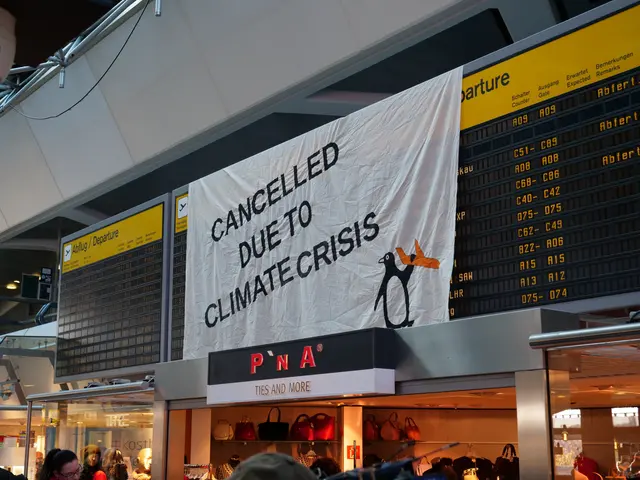
The upcoming state elections in Rhineland-Palatinate and Baden-Württemberg have brought key issues to the forefront, with climate protection and economic challenges shaping the political landscape. Annalena Baerbock, co-leader of the Greens, has highlighted the impact of climate change, regional inequality, and the rise of the far-right AfD as defining factors in the campaigns.
In Baden-Württemberg, the Greens secured over 30% of the vote in the latest election, reinforcing their position as the leading party ahead of the CDU.
Baerbock grew up in Rhineland-Palatinate, raised in a politically active household with a migration background. This upbringing influenced her focus on diversity, social equity, and civic engagement. She now stresses the need for grassroots movements and volunteer work to address societal challenges.
The 2026 Baden-Württemberg election saw the Greens maintain their dominance with 30.2% of the vote. Baerbock views this result as proof that combining climate action with economic pragmatism resonates with voters. Meanwhile, the AfD achieved double-digit support, reflecting broader national trends. She warns that right-wing extremism is no longer confined to eastern Germany but is spreading west, with rural struggles—such as population decline and weak infrastructure—fuelling discontent.
In Rhineland-Palatinate, Baerbock points to the devastating Ahr Valley floods as a stark reminder of climate change's real-world consequences. She calls for stronger climate policies while also addressing housing shortages, labour gaps, and rural development. The AfD's growing appeal, she argues, stems from unresolved regional inequalities as much as national political shifts.
If Cem Özdemir becomes Baden-Württemberg's next state premier, he would be the first German head of government with a migration background. This milestone underscores the changing face of German politics, where diversity and progressive policies are gaining ground.
The election outcomes confirm the Greens' strategy of balancing environmental goals with economic stability. Baerbock's analysis ties the AfD's rise to long-standing regional neglect, urging broader reforms. With climate disasters and demographic shifts shaping voter priorities, the results set the stage for future policy debates in both states.