Sizzling Summer? Germany's Record-Breaking Drought and Its Impact
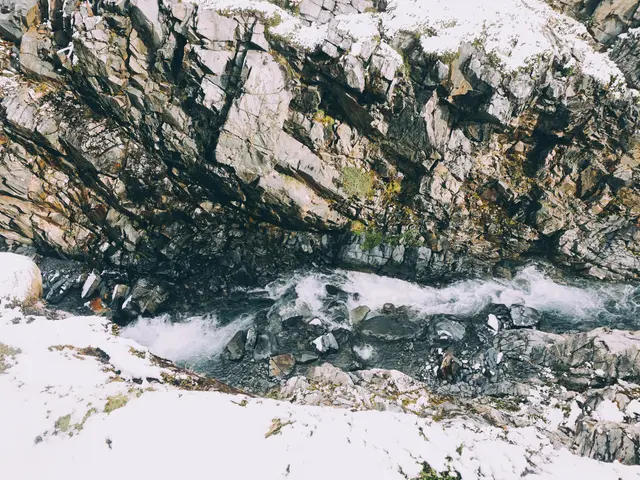
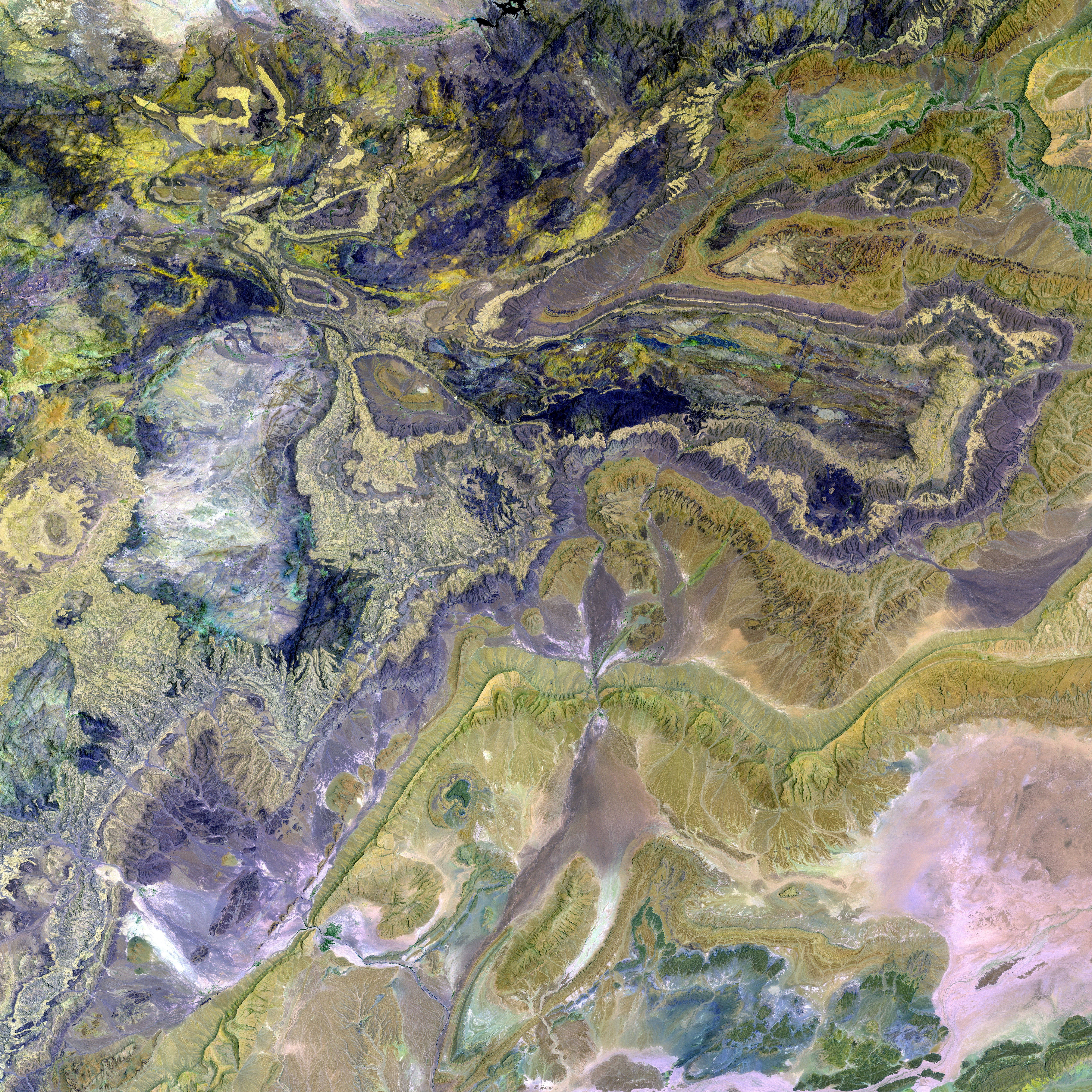
Graphical representation highlighting the severe rainfall deficiency currently experienced
Spring 2025 is shaping up to be one of the driest ever in Germany. With hardly any rain in sight, the current dry spell could surpass a historical record from 1893 [1][2].
Regions across the nation have been hit hard, with the Rhine River facing significant water level drops given its crucial role in cargo transport [4]. Though specific sub-regions aren't explicitly detailed, central and western parts, especially those relying on the Rhine for commerce and agriculture, are reportedly under severe strain [1][4].
Meteorologist Bjoern Alexander from ntv.de warns that if rain doesn't materialize soon, we could be on the verge of a confirmed drought summer [1]. Data from the German Weather Service (DWD) aligns with this grim assessment, revealing a staggering rainfall deficit. To date, Germany has recorded only half of the usual rainfall nationwide from March to mid-May [1]. Compared to previous historical records, this year stands out significantly, even eclipsing the second-worst seasonal balance in 2011 [1].
While weather forecasts suggest a shift in the weather pattern with rain on the horizon, these precipitation increases may not be enough to alleviate the situation. Current predictions indicate rainfall amounts between 20 to 50 liters in some regions compared to the 120 liters needed for a balanced rainfall balance before the end of May [1].
The drought's impact extends beyond water levels and agriculture, affecting forests and various plant species [1]. The DWD states that if the dry weather continues through the coming months, it could pose a serious problem [1].
Looking at bigger picture Europe, there are reports of widespread early and severe drought across central and eastern Europe that affect agriculture and transport logistics [4]. Regions in Southern and Eastern Europe such as the Mediterranean, Balkans, Black Sea regions, and other parts of Southern Europe suffer from even more drastic drought conditions [2].
It's a perilous time for Germany, with a drought of unprecedented severity for spring 2025 threatening agriculture, public health, and shipping industries, while forming part of a broader trend of severe drought in central and eastern Europe [1][3][4].
- Weather
- Extreme Weather
- Drought
- Climate Change
Sources:1. ntv.de2. en.wikipedia.org3. helmholtz-uibk.de4. euronews.com
Additional Insights:- Dry spells affecting other parts of Europe include countries such as France, Italy, Hungary, Romania, Czech Republic, Austria, and Poland [2][4].- Human activities have influenced natural climate variations, making extreme droughts more likely [5].- Climate experts warn of the dangers of drought, emphasizing the need to adapt to changing weather patterns [5].
- In light of the extreme weather situation, it may be necessary for the community policy to include measures for water conservation and drought preparedness.
- An employment policy that encourages education and training on environmental-science and climate-change could be beneficial for preparing the workforce to address the challenges posed by the changing weather patterns.