Graduation scams surge as fraudsters target eager young job seekers
Graduation season has arrived, bringing excitement for new opportunities—but also higher risks of scams. Experts are warning that fresh graduates face greater threats as they search for jobs, housing, and financial stability. Fraudsters often target this group with convincing but fake offers. Young adults aged 20 to 29 lost over $550 million to scams in 2025, with employment fraud alone costing $33 million. Fake job listings and unsolicited offers with high pay and flexible hours are common traps. Scammers pressure victims to act fast, often demanding money upfront for paperwork that should be free.
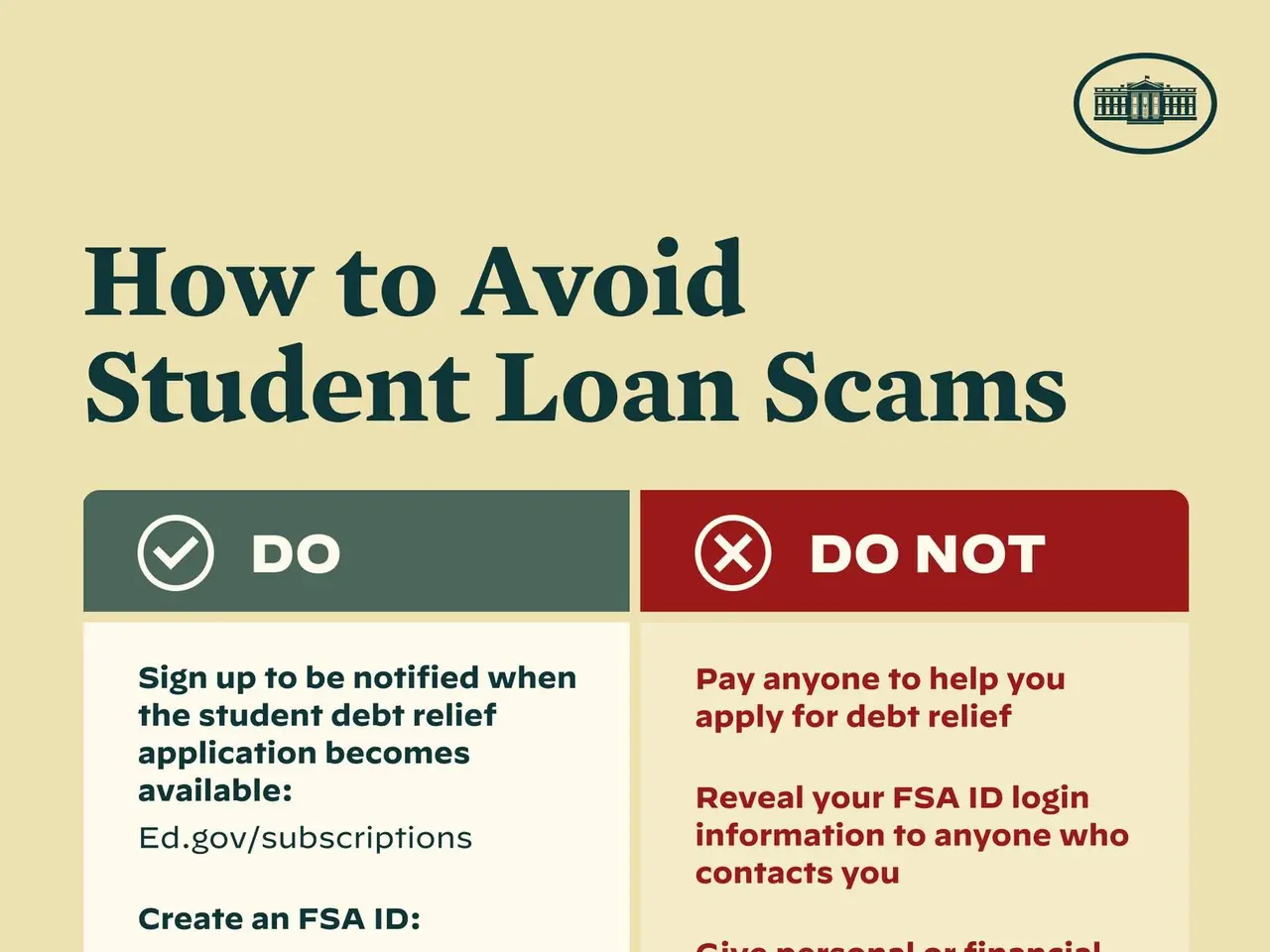
Housing scams also spike during this period, with fraudsters rushing students into paying deposits for non-existent properties. Another red flag is unexpected award notifications or scholarship offers that ask for personal details. Legitimate scholarships and federal aid never charge application fees. Experts advise verifying every request for personal or financial information. If an offer seems too good to be true, it likely is.
The financial and emotional toll of these scams can be severe for new graduates. Authorities urge caution when sharing sensitive details or sending money under pressure. Checking sources and recognising warning signs can help avoid falling victim to fraud.