Government unveils bold energy-saving plan to slash electricity use by 2026
The government has announced new energy-saving measures to cut electricity use and stabilise the national grid. The plan targets a 3% reduction in total consumption by 2026 while ensuring a steady power supply for economic growth and security.
Key actions include stricter controls on lighting, industrial use, and solar adoption, alongside efforts to reduce transmission losses and peak-hour demand.
Public lighting systems will face a mandatory 30% cut in consumption during peak hours. Commercial businesses must also halve outdoor decorative lighting in the evenings. These steps aim to ease pressure on the grid when demand is highest.
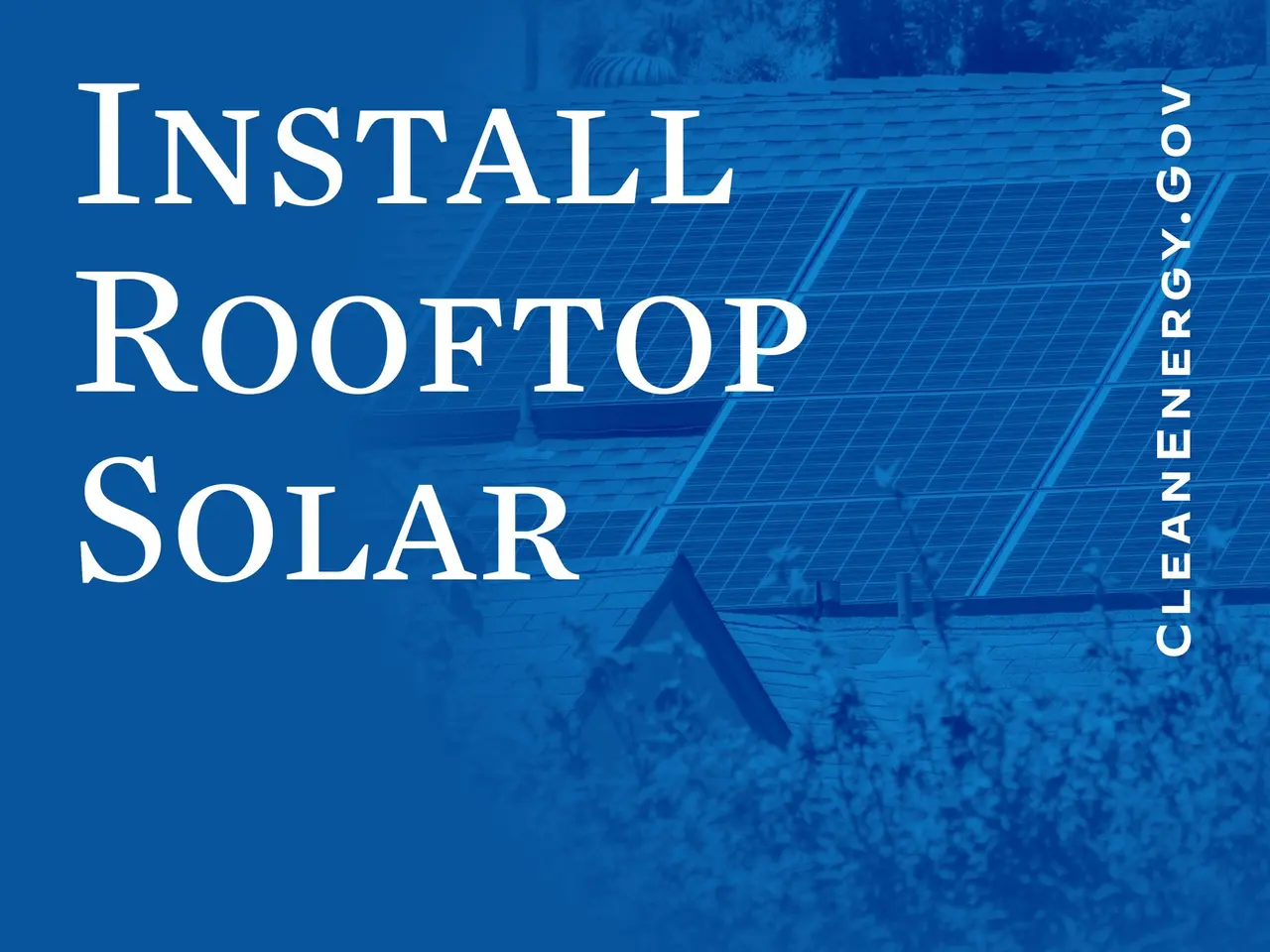
Industrial producers using over 500,000 kWh annually will need to reduce their electricity use by at least 3%. The government expects these measures to help trim 3,000 MW from peak load capacity, preventing supply shortages. To further boost efficiency, transmission and distribution losses must drop below 6%. Public offices and households are encouraged to install rooftop solar systems, with a target of 10% annual adoption by 2030. The plan also includes campaigns to raise awareness about energy conservation. During the hottest months—April, May, June, and July—a minimum 10% reduction in electricity use is required. Demand-Side-Management and Demand-Response programs will play a crucial role in achieving the 3,000 MW savings target during peak periods.
The combined measures seek to lower national electricity consumption by 3% by 2026. Authorities emphasise that a stable power supply remains vital for economic stability and energy security. The push for solar adoption and public awareness forms part of a broader strategy to meet long-term sustainability goals.