Gold's 18% Plunge and Dollar Surge Reshape Global Markets in 2026
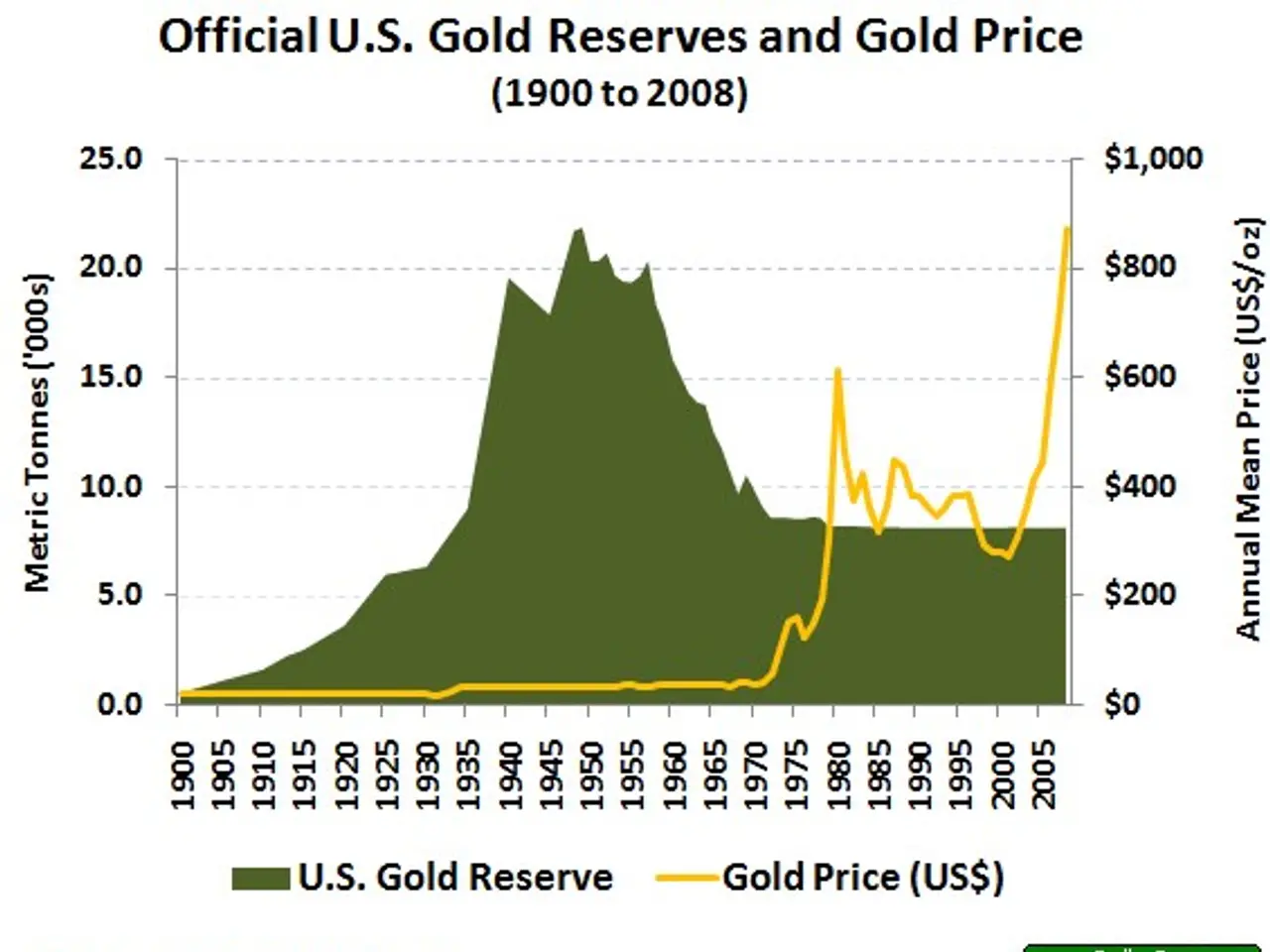
Recent geopolitical tensions in the Middle East have triggered sharp swings in global markets, with gold prices plummeting after an initial surge. The US dollar has also strengthened against major currencies, including the euro. Meanwhile, TBC Capital's latest analysis suggests a potential shift in currency trends and borrowing strategies for Georgia. The conflict involving the USA, Israel, and Iran escalated in late 2025, leading to a weeks-long blockade in the Hormuz Strait. By late January 2026, gold prices had soared to near-record levels of $5,600 per ounce. But the rally reversed abruptly in March, with prices dropping over 13%—the steepest monthly decline since 2008. By early April, gold had fallen more than 18% from its peak, settling between $4,100 and $4,700 per ounce. This decline came despite ongoing instability, as rising US interest rates and inflation fears outweighed typical safe-haven demand.
Over the past month, the US dollar has gained strength against the euro and other key currencies. However, TBC Capital notes that structural factors still weigh against the dollar's long-term outlook. The firm also observes that Georgia's economic cycles align more closely with the European Union than with the US, reinforcing the lari's relative stability against the euro over longer periods.
In light of these trends, TBC Capital advises that borrowing in euros may be more favourable for Georgian borrowers. The lari has shown greater resilience against the euro compared to the dollar, particularly over a one-year horizon. While the firm's latest update highlights ongoing volatility in gold and the dollar, it also stresses that loan portfolio decisions should be tailored to individual financial situations. Gold's sharp retreat and the dollar's recent strength reflect shifting market dynamics, though long-term pressures on the US currency remain. For Georgia, the euro's stability against the lari reinforces its appeal for borrowing, particularly as the country's economic ties with the EU deepen. TBC Capital expects the euro to regain ground once geopolitical tensions ease further.