Gold prices surge as central banks stockpile record amounts in 2025
Central banks around the world have been buying gold at a rapid pace over the past year. With 694 tons purchased by September 2024 alone, this surge in demand has pushed prices to unprecedented levels. The move reflects growing concerns over market instability and geopolitical tensions.
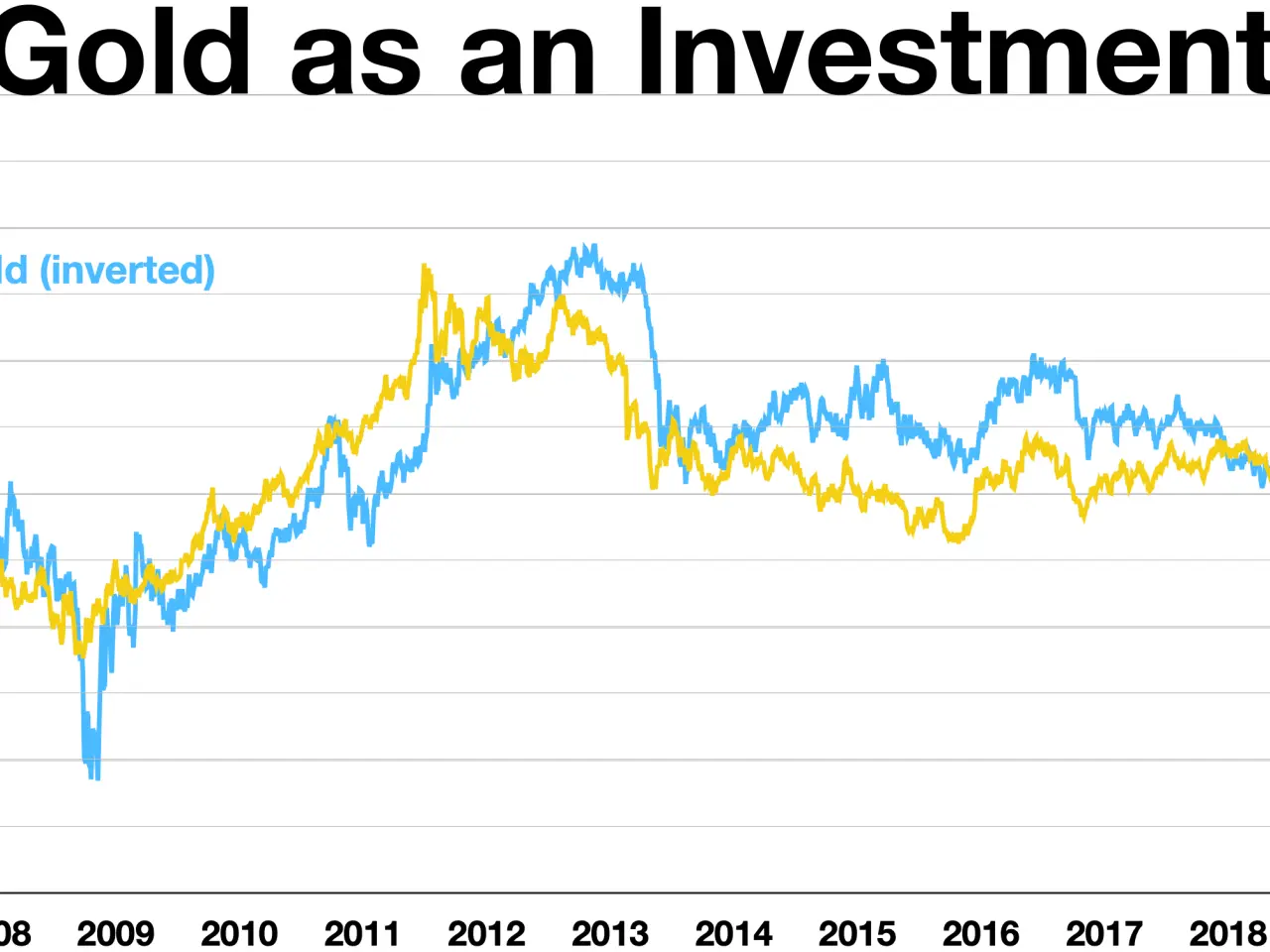
Between March 2025 and March 2026, central banks continued their strong gold purchases, accounting for nearly a quarter of global annual supply. Leading the trend were China, India, Russia, and Turkey, all seeking to reduce reliance on certain currencies. This sustained demand helped drive gold prices above €3,000 per ounce in 2025, reinforcing its reputation as a safe haven during economic uncertainty.
The weakening U.S. bank has made gold more appealing to international investors. At the same time, U.S. monetary policy and ongoing geopolitical risks remain key factors in shaping market behaviour. Last Friday, gold closed at €83.85, near its 52-week high, as traders awaited fresh U.S. inflation data.
For individual investors, gold exchange-traded funds (ETFs) offer a way to gain exposure with varying costs. The SPDR Gold Shares ETF charges an annual fee of 0.40%, while the SPDR Gold MiniShares Trust has a lower expense ratio of 0.10%. The iShares Gold Trust sits between the two, with a 0.25% annual cost. Lower fees can improve long-term returns, making these funds an attractive option for those looking to hedge against inflation or stock market downturns.
The combination of central bank buying, currency shifts, and geopolitical pressures has kept gold in high demand. With prices near record levels and upcoming U.S. inflation reports on the horizon, the metal's role as a financial safeguard remains strong. Investors and institutions alike continue to view it as a reliable store of value in uncertain times.