Gold prices soar past $5,000 as geopolitical tensions fuel record rally
Gold prices have surged in recent months, climbing above $5,000 per ounce and rising nearly 20% since the start of the year. The rally comes as geopolitical tensions grow, with billionaire investor Frank Giustra warning that a potential U.S. military strike on Iran could push prices even higher.
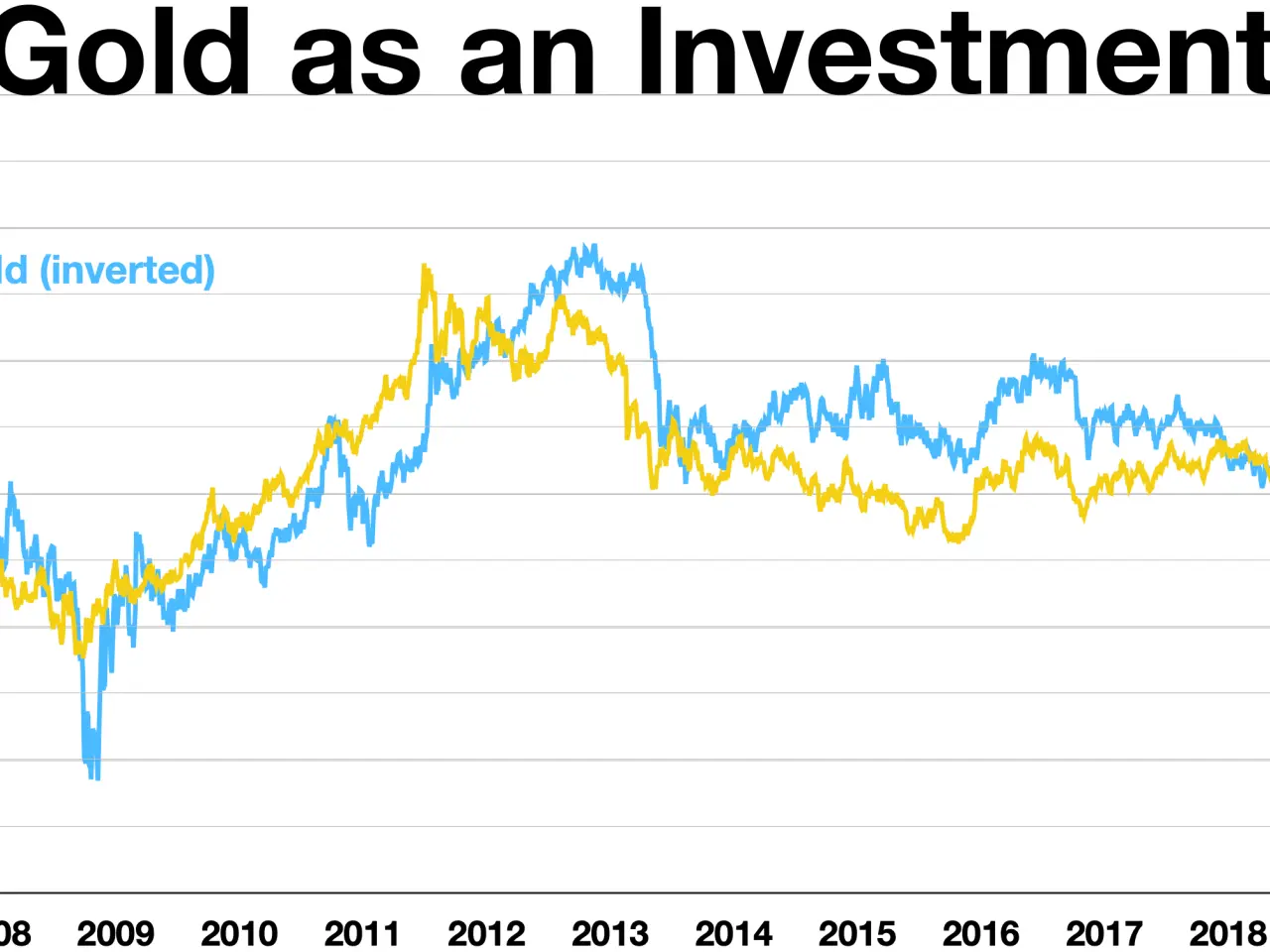
Giustra highlighted gold's long-awaited breakout after years of underperformance. The metal had previously peaked at $1,895 per ounce in 2011 before dropping to around $1,045 by late 2015. Since then, it has steadily climbed, reaching approximately $4,088 by late February 2026. Recent volatility saw a record high near $5,595, followed by a dip to $5,260 as investors took profits, yet the overall upward trend remains strong.
The investor attributed the rally to rising safe-haven demand and heavy central bank purchases during global crises. He also warned that oil and gold could spike sharply if the U.S. takes military action against Iran. Such a move, he argued, would disrupt supply chains and trigger market uncertainty.
Giustra's comments follow accusations from former President Donald Trump, who claimed Iran was secretly reviving its nuclear programme and developing long-range missiles. Trump had previously kept military action as an option if diplomatic efforts failed. The investor added that the world is transitioning from a unipolar to a multipolar system, a shift likely to cause further economic and political instability.
Against this backdrop, gold's recent performance reflects broader concerns about geopolitical risks and a changing global order. Giustra stressed that alternative assets like oil and precious metals would remain key hedges in an increasingly volatile environment.
Gold's sharp rise in 2026 mirrors growing investor anxiety over geopolitical conflicts and economic shifts. With tensions between the U.S. and Iran unresolved, further price surges in gold and oil remain a real possibility. The metal's long-term uptrend suggests demand for safe-haven assets will persist amid ongoing global uncertainty.
Read also:
- United States tariffs pose a threat to India, necessitating the recruitment of adept negotiators or strategists, similar to those who had influenced Trump's decisions.
- Weekly happenings in the German Federal Parliament (Bundestag)
- Massive 8.8 earthquake hits off the coast of Russia's Kamchatka Peninsula, prompting Japan to issue a tsunami alert.
- Court petitions to reverse established decision on same-sex marriage legalization