Global Atomic's uranium project faces delays as stock swings ahead of 2025 results
Global Atomic (GLO) is facing a mix of progress and challenges as it prepares to release its 2025 annual results. The company's stock has seen sharp swings, reflecting both investor optimism and concerns over delays in its key uranium project. With uranium demand rising and financing still uncertain, the firm is pushing ahead with development while exploring new funding options.
The company's share price jumped by over 8% to €0.53 just before the annual results announcement. This followed a broader 24% gain in the 30 days leading up to March 25, 2026, and an 87% increase over the past year. However, the price dipped slightly to €0.77 EUR after the strong rally, as investors awaited the Q1 2026 report on March 26.
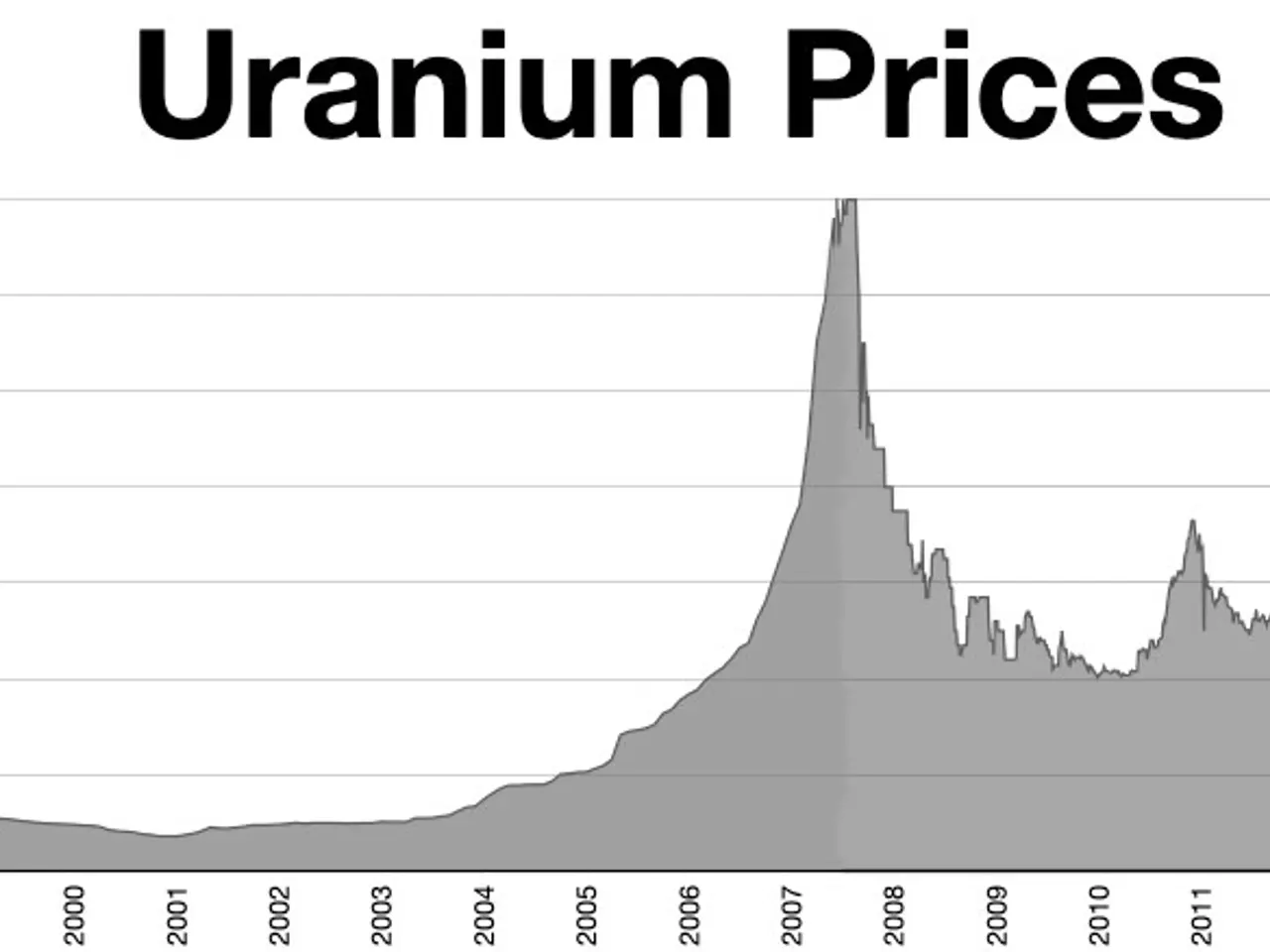
One major factor influencing sentiment is the delay of the Dasa uranium project in Niger. Production, originally expected sooner, is now set for the second half of 2027. Despite this setback, earthworks for the processing plant are nearly finished, and underground development is underway. The company aims to secure full financing in 2026 to speed up construction. To fund the project, Global Atomic is exploring multiple options. These include a U.S. development fund and a possible minority stake partnership with Canada. The company's zinc recycling joint venture in Turkey has also turned profitable, paying its first dividends in December 2025. This additional revenue provides some financial support amid the uranium project's uncertainties. The uranium market itself remains strong. Demand is growing due to increased interest in zero-emission nuclear energy and emerging applications in AI. Yet, a global supply shortfall is expected by 2028, adding pressure on producers like Global Atomic to ramp up output.
Global Atomic is moving forward with its Dasa project despite delays and financing hurdles. The company's stock performance reflects both confidence in its long-term prospects and caution over near-term challenges. With uranium demand rising and alternative funding under discussion, the focus now shifts to securing the necessary capital to meet production targets.