Ghana's booming inland aquaculture cuts fish imports and boosts jobs
Ghana's inland aquaculture sector has expanded rapidly over the past decade, offering new economic opportunities and food security. The country imported around 110,980 metric tonnes of fish in 2025, costing roughly 13.4 million USD in June alone. Now, local production is rising as a way to cut import costs and support jobs.
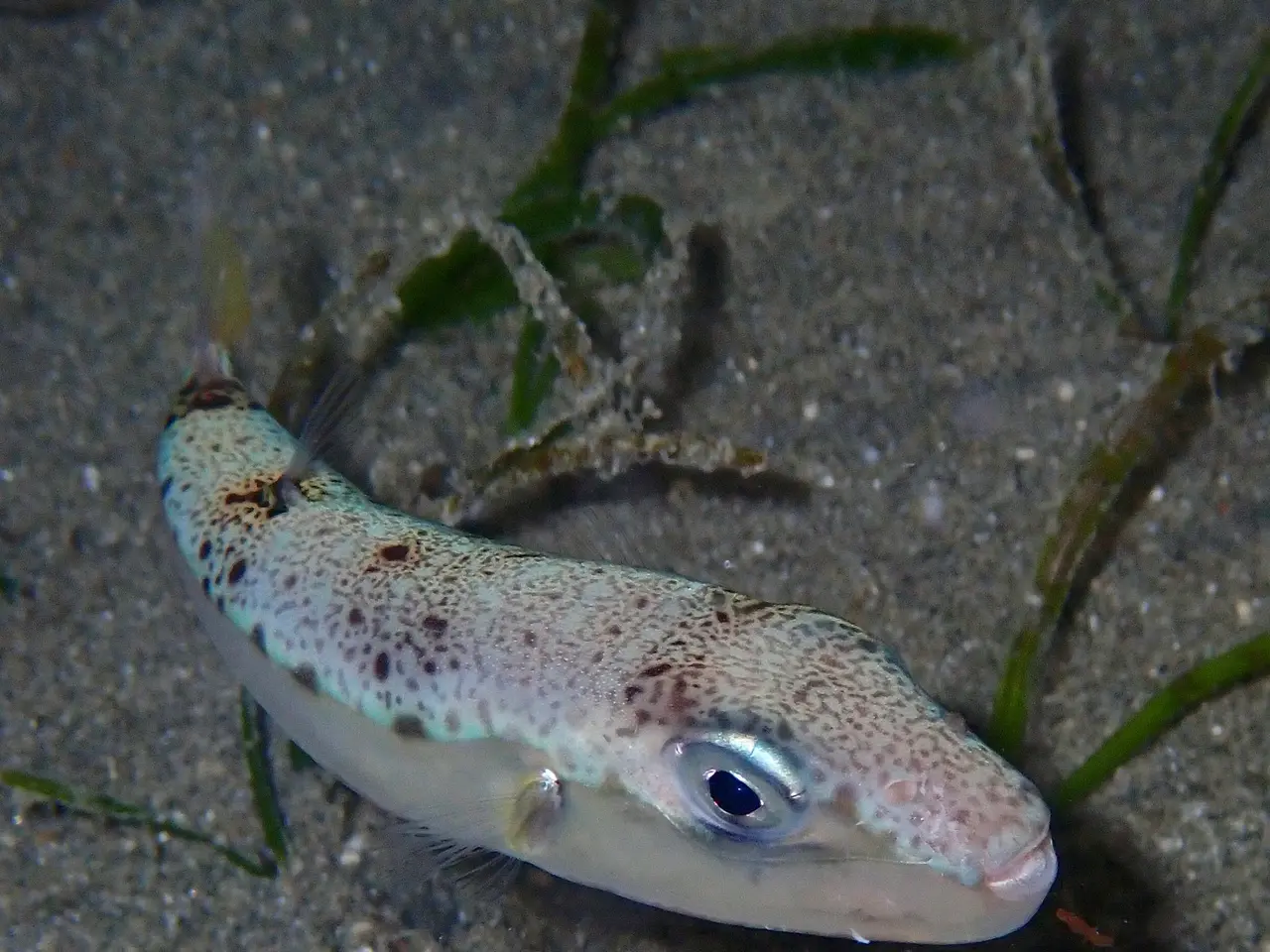
Inland aquaculture involves farming fish, crustaceans, and aquatic plants in freshwater or inland saline waters. This method uses ponds, cages, and tanks to raise species like tilapia, catfish, and carp. Globally, it makes up over 62% of all aquaculture production.
Ghana's freshwater fish farming has grown sharply since 2015. Production jumped from about 25,000 tonnes to over 100,000 tonnes by 2023. The increase comes from government support and private investment, with key production areas in Greater Accra, Ashanti, and Volta Regions.
The sector brings steady income for farmers and attracts private businesses. It also aligns with national goals for food security and industrial growth. By strengthening local production, Ghana aims to reduce reliance on costly fish imports and save foreign exchange.
Expanding inland aquaculture could help Ghana secure a stable protein supply while creating jobs and economic growth. The sector's progress around Lake Volta and other freshwater areas shows potential for further development. If trends continue, local production may ease the country's dependence on imported fish in the coming years.