Ghana prepares to issue first cannabis cultivation licenses under new law
Ghana is inching closer to allowing industrial and medicinal cannabis cultivation, following a 2020 law amendment. The Narcotic Control Commission has announced that cultivation licenses will be issued soon. This move could tap into a global market projected to exceed USD 18 billion by 2027.
The policy shift aims to transform cannabis into a cash crop, mirroring moves by countries like Lesotho, South Africa, and Malawi. However, challenges persist before farming can commence in full swing.
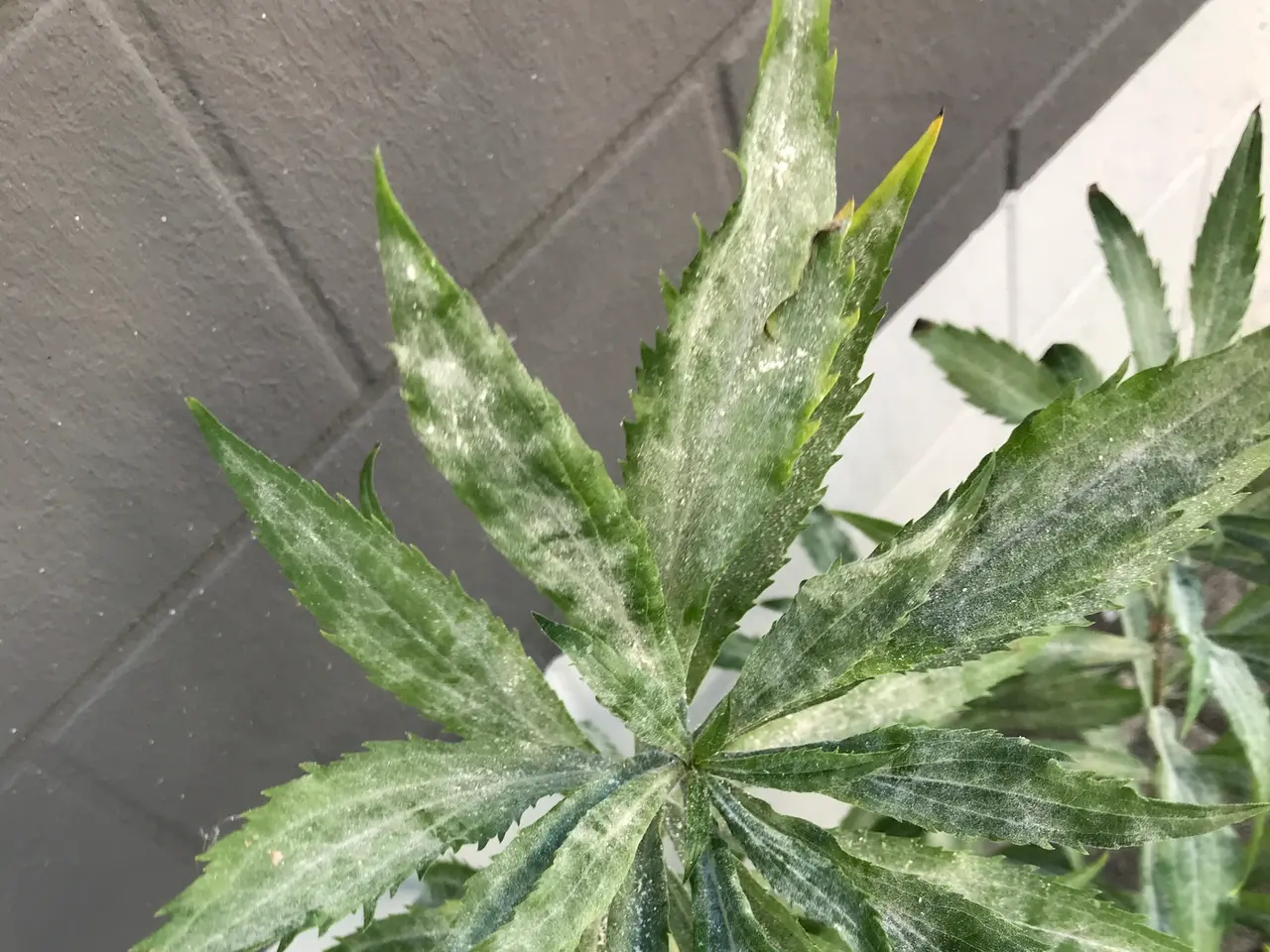
In 2020, Ghana amended its Narcotic Control Commission Act to permit cannabis cultivation for industrial and medicinal purposes. The law allows plants with THC levels of 0.3% or lower. Despite this change, implementation has stalled due to unresolved cost and regulatory hurdles.
Ghana's climate offers optimal growing conditions, with potential for four harvests annually. Cannabis grows rapidly, and one acre can produce as much paper pulp as 4 to 20 acres of trees over 20 years. This could reduce Ghana's reliance on imported paper.
Cannabis also boasts proven medicinal benefits, including reducing inflammation, protecting nerve cells, and treating chronic pain and anxiety. These uses add to its economic allure.
Yet, obstacles remain. Ghana lacks research expertise, farming infrastructure, and funding. Stringent regulations and fears of recreational misuse add further complications. To tackle these, officials suggest learning from Lesotho and Malawi by encouraging private investment, tax breaks, and low-interest loans for farmers.
The Narcotic Control Commission has now reassured the public that licenses will be issued shortly. This marks a significant step towards launching the industry.
Once licenses are granted, Ghana could enter a burgeoning global cannabis market. The crop's swift growth and multiple uses—from medicine to paper—offer clear economic advantages. However, success will hinge on overcoming funding gaps, building expertise, and enforcing tight controls.