Ghana overhauls growth strategy with stricter accountability and data-driven plans
Ghana's National Development Planning Commission (NDPC) has called for major changes in how the country approaches its growth strategies. Officials gathered to discuss the 2026–2029 Medium-Term Development Plan, stressing the need for better accountability, data-driven decisions, and stronger implementation of existing policies. The push comes as only a fraction of regional plans have met certification standards despite full submissions. The new development plan centres on five key areas: economic growth through industrialisation and job creation, social development, a US$10 billion infrastructure push, stronger governance, and improved international relations. Decentralised planning will involve all districts and regions, with a focus on stakeholder engagement and measurable results. Dr Nii Moi Thompson, NDPC Chairman, warned that past failures must be studied before drafting new strategies, citing corruption, weak revenue systems, and poor resource management as persistent obstacles.
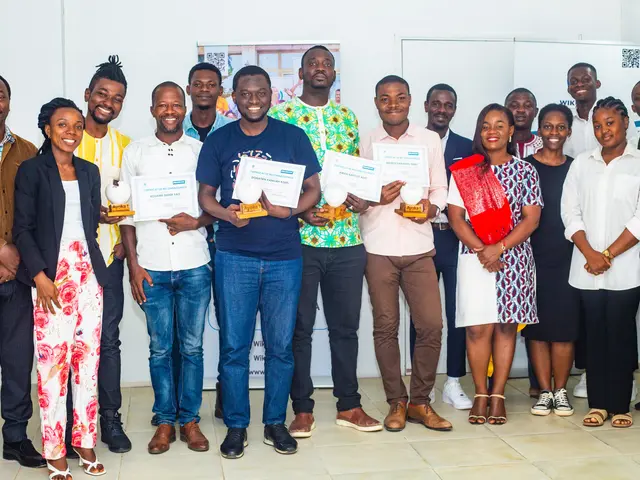
Dr Audrey Smock Amoah, Director-General of the NDPC, reinforced the importance of following national planning guidelines. She described development plans as essential tools for holding government institutions accountable. Meanwhile, Joseph Frimpong Nayo, Acting Coordinating Director, urged a shift from subsistence farming to industrialisation, backed by reliable data. At the event, six districts in the Ahafo Region received certificates for their approved 2026–2029 plans. Dr Thompson also highlighted gaps in gender-sensitive planning and design, calling for more inclusive approaches to ensure sustainable growth.
The 2026–2029 plan aims to address past shortcomings with stricter accountability and evidence-based strategies. Certified districts will now move forward with approved frameworks, while others must revise their submissions. Officials have made it clear that success depends on better resource management, transparency, and a break from ineffective traditions.