Germany’s icy chaos: Who gets paid when snow shuts down work?
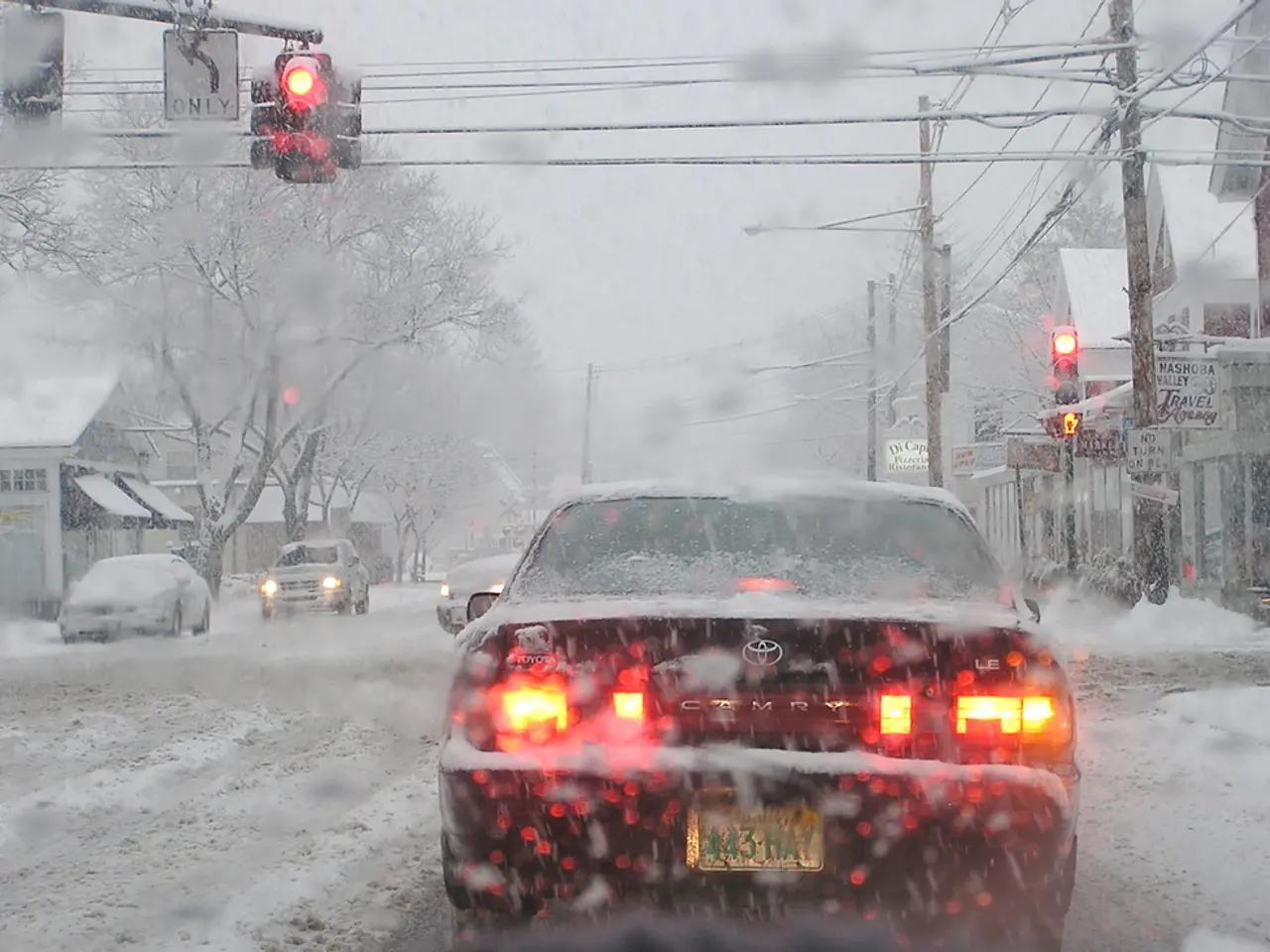
Freezing temperatures, heavy snow, and icy roads are causing travel chaos for workers across Germany. Many employees face delays or struggle to reach their workplaces on time. But when extreme weather forces businesses to close, staff still keep their right to full pay.
Under German law, employers are not required to pay workers for time lost due to personal delays. Sections 275 and 326 of the Civil Code (BGB) state that employees arriving late because of snow or ice must bear the consequences themselves. This is known as the 'risk of delay' principle.
However, if a business cannot open at all due to severe weather, the situation changes. In such cases, employers must cover the cost—this is called 'operational risk'. Employees still receive their wages even if they cannot work because the workplace is shut. Workers are advised to plan ahead during winter conditions. They should allow extra travel time and inform their employer if delays seem likely. Those who are repeatedly late because of poor weather may face pay deductions or unpaid hours. In some cases, formal warnings could follow.
The rules make a clear distinction between personal delays and business closures. Employees arriving late due to snow or ice risk losing pay for missed hours. But if the workplace itself cannot open, staff are protected and will still be paid in full.