Germany's €8B Climate Plan Targets 25M Ton CO₂ Cut by 2030
Germany has approved an eight-billion-euro climate protection plan to cut emissions and boost renewable energy. The cabinet backed the programme, which includes 67 initiatives to reduce CO₂ by over 25 million tons by 2030. Officials say the measures will make the country less reliant on oil and gas while modernising its infrastructure. The government faced a legal deadline to submit a binding climate strategy by 25 March. The new Klimaschutzprogramm 2026 spans four years and aligns with Germany's legally mandated climate targets. Funding will mostly come from the Climate and Transformation Fund, contributing 7.6 billion euros, with an extra 400 million euros from federal reserves.
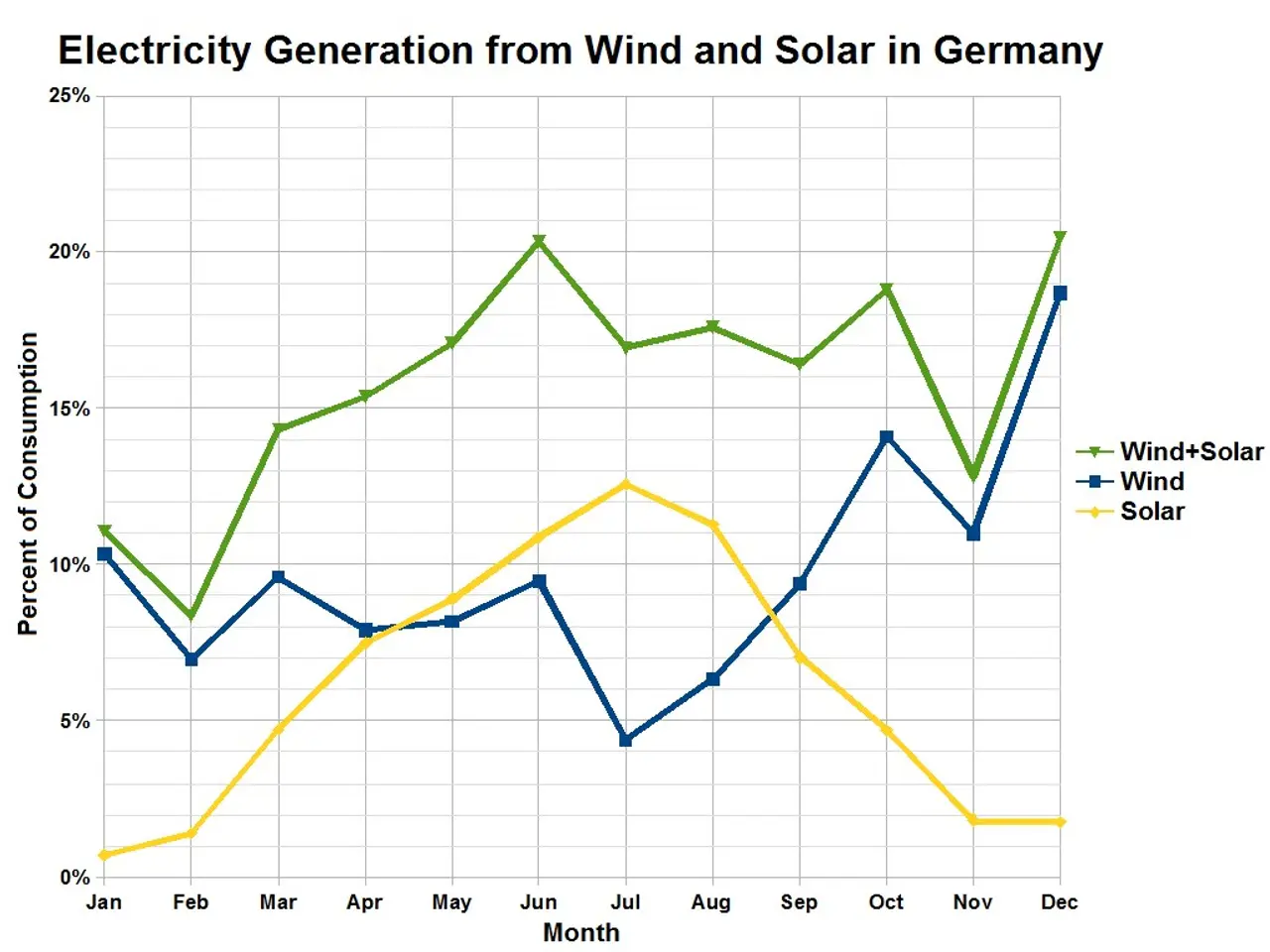
A major focus is expanding onshore wind power. The plan calls for 2,000 additional turbines, adding 12 gigawatts of capacity by 2030. No specific regions were prioritised, but all turbines must be tendered and installed within the timeframe to meet the 115 GW expansion goal. The programme also introduces a new subsidy scheme for electric vehicles. Support levels will vary based on income, though further details on eligibility have yet to be released.
The eight-billion-euro investment targets faster emissions cuts and a shift away from fossil fuels. With wind energy expansion and EV incentives, the government aims to meet its 2030 climate obligations. Implementation will now move to regional and sector-specific rollouts.