Fashion industry weakens - Socks defy the trend - German fashion sales dip 2.1% in 2025 as consumers tighten budgets
Germany's fashion industry faced another difficult year in 2025, with overall sales dropping by 2.1%. The decline came as consumers cut back spending amid rising prices and economic uncertainty. Despite the downturn, some segments like workwear and hosiery managed to grow.
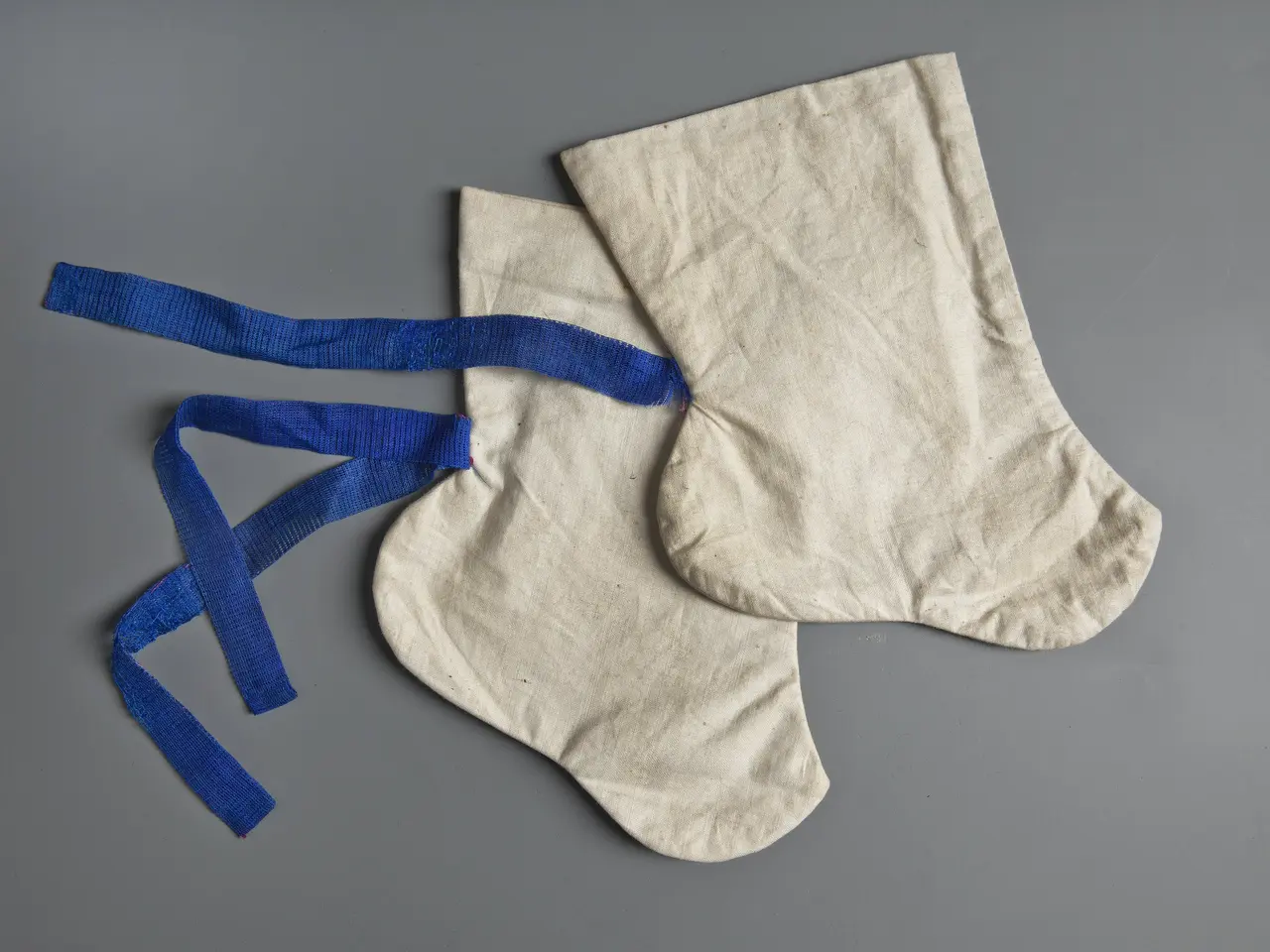
Total revenues in the apparel sector fell by 1.4%, bringing sales to €6.5 billion. Outerwear, a key category, saw a 2.2% decline, reflecting weaker demand. Meanwhile, workwear and professional clothing bucked the trend with a 3.3% increase in sales. Hosiery also performed well, rising by 4% as buyers prioritised functional socks and stockings.
Exports dropped by 0.5% across most product lines, with suits and dresses suffering the steepest losses. Germany's top export markets remained Poland, Switzerland, and Austria, while the U.S. saw a nearly 4% sales rise despite trade barriers. On the supply side, China, Bangladesh, and Turkey stayed the leading sources for German fashion brands.
Looking ahead, more brands are expected to shift production closer to home in 2026. Nearshoring to countries like Egypt, Tunisia, Morocco, and Portugal is gaining momentum, though no data exists yet on how this compares to imports from Asia.
The industry's struggles in 2025 highlight ongoing challenges from global instability and cautious consumer behaviour. While certain categories showed resilience, the broader market continues to contract. The shift toward nearshoring may reshape supply chains in the coming year.