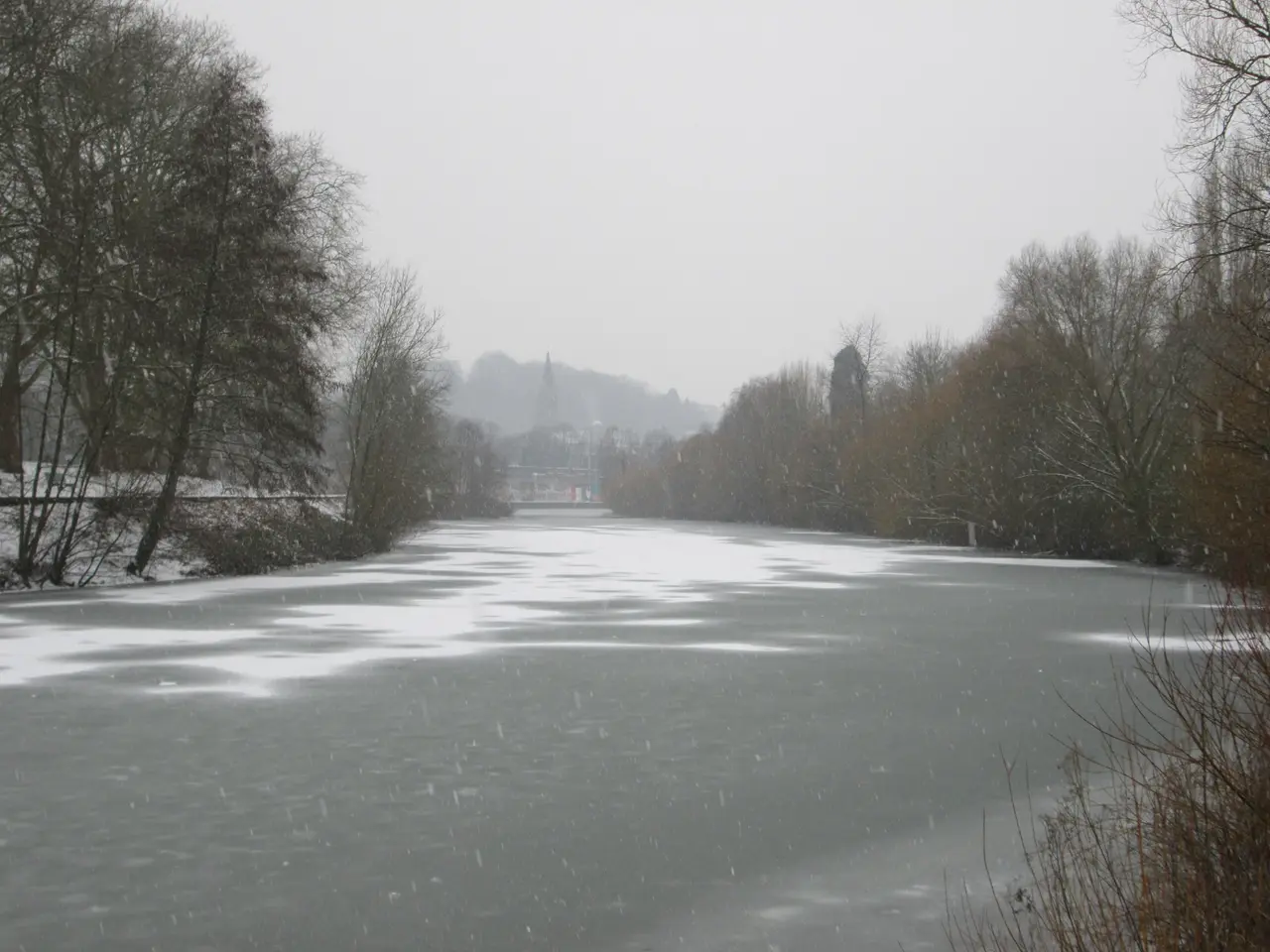
Frozen lakes pose deadly risks as officials warn of unstable ice conditions
Authorities in Friesland, Wilhelmshaven, and the local police have issued a warning about the dangers of frozen lakes and ponds. With young people increasingly venturing onto unstable ice, officials are urging caution as current weather conditions remain unsafe for any activity on frozen water.
The current cold spell has led to icy surfaces forming on local bodies of water. However, a stable ice sheet only develops after long periods of consistent freezing temperatures. At present, the ice lacks the necessary thickness—around 15 centimetres—to safely support weight.
Parents are being asked to speak with their children about the risks and ensure they stay off frozen areas. Dog owners should also keep pets on a lead near water to prevent accidents. Officials stress that no one should enter ice-covered spaces unless local authorities have given explicit permission.
In an emergency, the public is reminded to call 112 immediately. Ice rescues must only be carried out by trained professionals from the fire department or the German Lifeguard Association (DLRG), who have the proper protective gear. Over the past five years, no ice-related accidents have been recorded in the region, but authorities are taking no chances with the current weather conditions.
The warning comes as temperatures fluctuate, leaving ice sheets weak and unpredictable. Without official approval, entering frozen water poses a serious threat to life. Residents are advised to follow safety guidelines and avoid all unauthorised access to icy surfaces.