Federal surge strains Minneapolis police as tensions rise with ICE operations
The Twin Cities of Minneapolis and Saint Paul are facing renewed strain on their police forces after the federal government launched Operation Metro Surge in December 2025. The deployment of around 2,000 ICE and CBP agents has intensified tensions, pushing local officers into costly overtime and adding emotional pressure on a department still recovering from past crises.
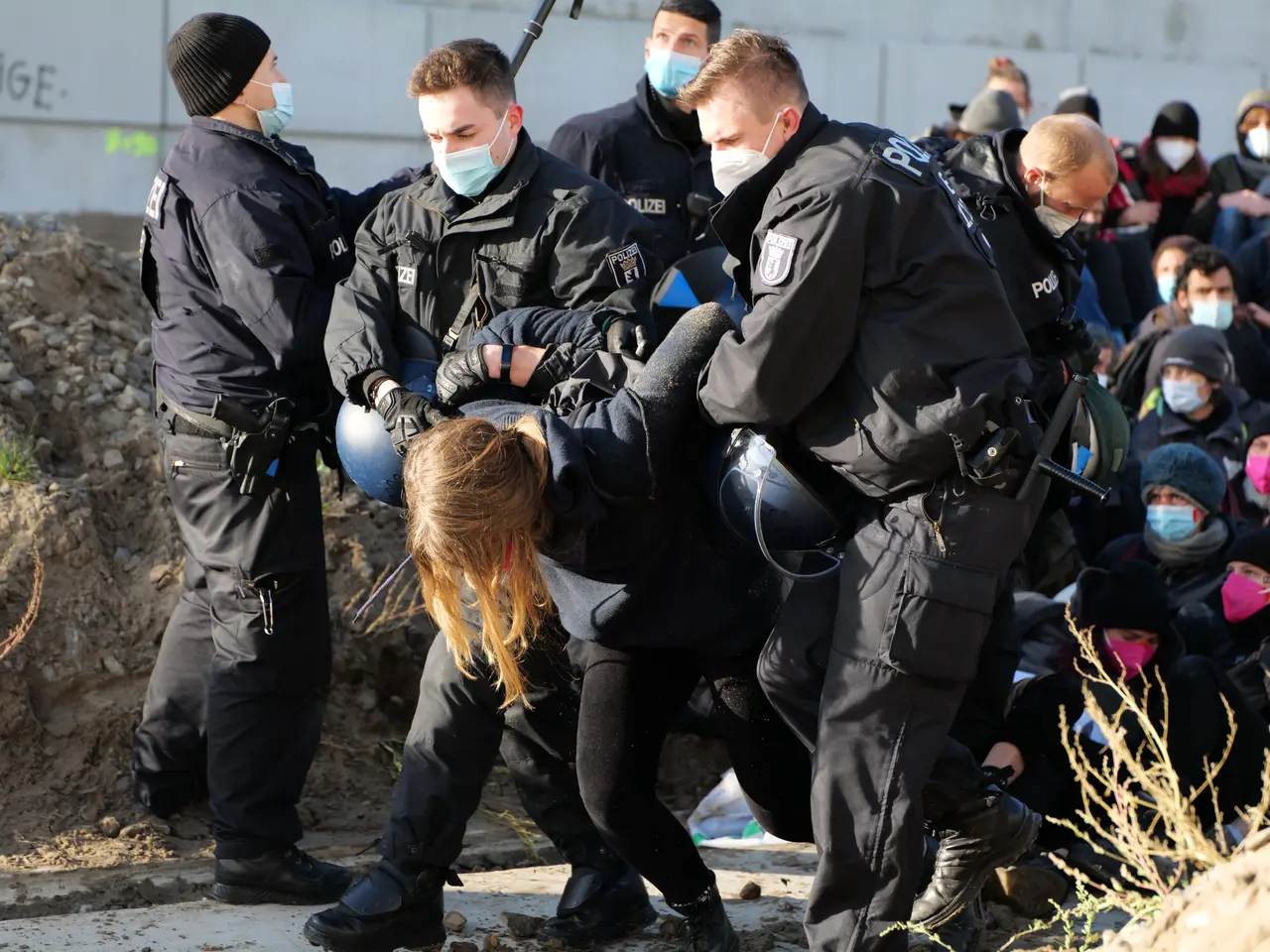
The operation, led by the Department of Homeland Security, has forced Minneapolis police to divert resources despite not enforcing immigration law themselves. Officers frequently respond to conflicts sparked by federal agents, further stretching a workforce that has only partially rebounded since the mass resignations following George Floyd’s killing in 2020. That incident triggered widespread protests, eroded public trust, and led to a surge in violent crime—though rates have since declined from their 2021-22 peak.
Local officers, including those hired after 2020, report heightened stress from both the ongoing federal presence and the recent killing of Tyre Nichols by an ICE agent. Meanwhile, Minneapolis residents, now more aware of their rights, increasingly document and challenge aggressive federal policing tactics. The combination of federal operations, historical trauma, and public scrutiny has created a volatile environment for law enforcement. Lawsuits filed by Minnesota, Minneapolis, Saint Paul, and the ACLU highlight the operation’s impact, arguing that the influx of federal agents has disrupted local policing efforts. With staffing levels still below pre-2020 numbers, the financial and emotional toll on officers continues to grow.
The federal surge has left Minneapolis police grappling with higher costs, strained morale, and a public more resistant to heavy-handed tactics. As legal challenges proceed, the operation’s long-term effects on local law enforcement—and the communities they serve—remain uncertain.