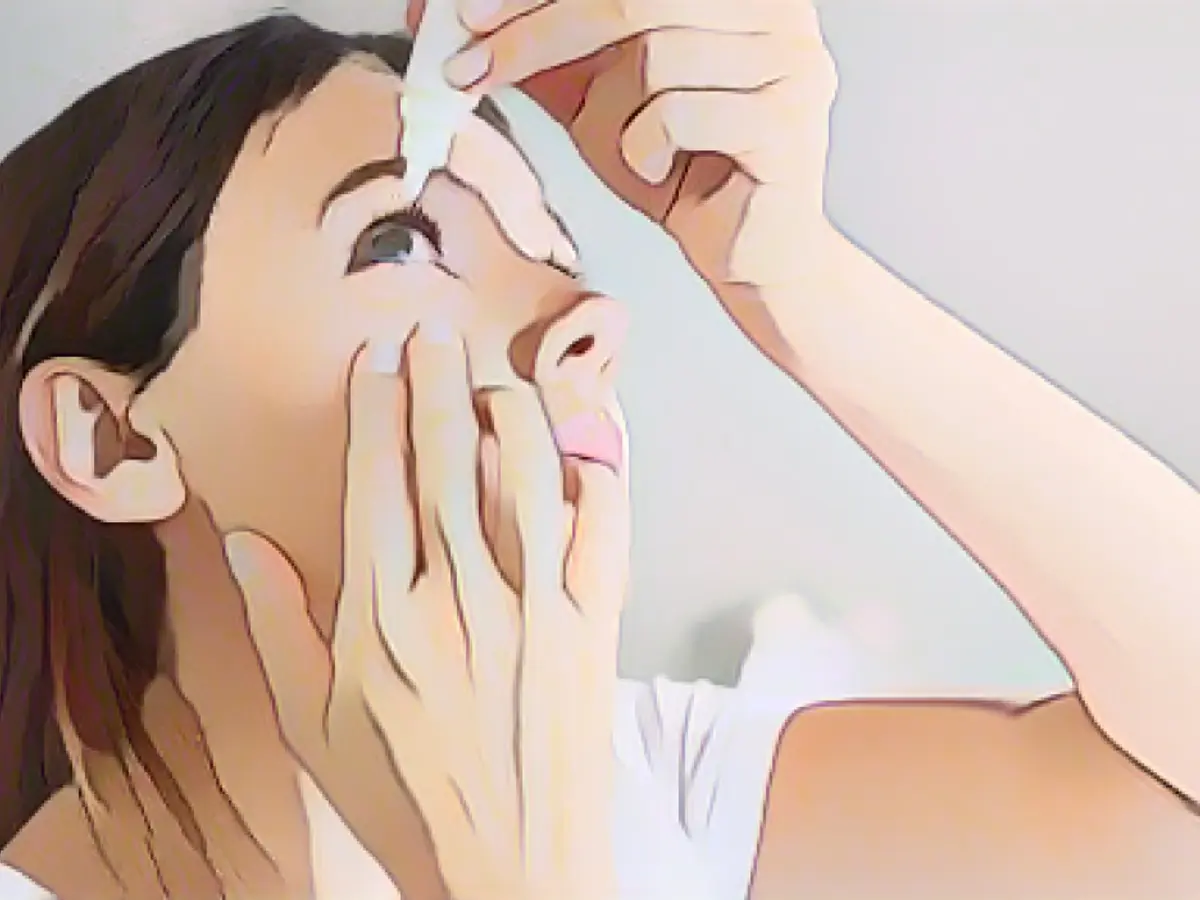
Warning Against Using Homeopathic Eye Drops
With delayed recalls for eye drops, now's a good time to reconsider your eye drop safety. The FDA recently released a series of "consumer tips" stating, "Never use certain types of eye drops, including those labeled as homeopathic." Here's why you should avoid them and why.
Why are so many eye drops problematic?
Our immune system does an excellent job protecting our body from infections, but it may not always fight infections in our eyes. Scientifically, the eyes have "immune privileges." Our immune system generally trusts our eyes to take care of themselves, which is why our eyes rarely develop severe infections (part of the infection-fighting process). Other immune-privileged body parts include the brain, testicles, placenta, and fetus.
It's generally assumed that immune privileges are good for our eyes as they reduce the risk of swelling. However, when our eyes do get infected, it's much harder to fight off that infection. People have died or lost their sight due to infections caused by contaminated eye drops.
As our eyes are susceptible to infections, it's essential to avoid putting anything in our eyes that we don't need. That's why the FDA warns against using eye drops without a known therapeutic effect. All eye drops carry some risk, so you should ensure the potential benefit outweighs the potential risks. Here are the types of eye drops you should avoid.
Homeopathic Eye Drops
You might associate "homeopathy" with household remedies or natural medicine, but that's not the case. Homeopathy is a specific, discredited medical theory, long before we knew bacteria caused diseases. Back then, it was considered a gentler alternative to bloodletting and other harsh treatments.
FDA regulations were introduced to allow the coexistence of homeopathic "medicines" with legitimate drugs, although they are not FDA-approved and have never been proven safe or effective. The FDA and the FTC have subtly tried to crack down on products they deem unsafe or misleading. Homeopathic products are currently allowed, but they should be clearly labeled, stating, "Claims based on traditional homeopathic practices without recognized medical evidence."
The FDA's advice is simple: "Do not use eye products labeled as homoeopathic as they should not be marketed."
You can identify a homeopathic product by looking for the word "homoeopathic" (usually on the product label) and the active ingredients listed in dilution (a number followed by X, C, or CK), like "Cineraria maritima HPUS 6X." The FDA provides additional information to identify and avoid homeopathic products.
Eye Drops Claiming to Treat Serious Conditions
If your doctor prescribes eye drops for severe conditions like cataract or glaucoma, you can trust those medications. However, if you try to self-treat or manage certain problems with over-the-counter eye drops that claim to treat those conditions, don't.
The FDA says simply, "There are no over-the-counter eye drops approved for use in 'serious eye conditions such as glaucoma, cataract, retinopathy, or macular degeneration.'"
Eye Drops Containing MSM (Methylsulfonylmethan)
A substance called Methylsulfonylmethan (MSM) has been studied for its potential health benefits. Legal as a food additive or nutritional supplement, MSM has anti-inflammatory effects.
However, if you see it in eye drops, stay away. Here's what the FDA says about MSM eye drops: "These products are not authorized medications and are illegally marketed and sold in the United States. There are no legally marketed eye drops containing MSM as an active ingredient."
Silver Eye Drops
Silver sulfate and silver are two names for pharmaceutical components containing silver (the metal). Over time, silver can lead to graying of the white in the eyes.
A similar effect can occur on human skin in people who have taken high doses of silver (such as colloidal silver) over many years. This condition is known as argyria.
Like the previously mentioned eye drops, silversulfate-containing eye drops have no known clinical benefit, and if eye drops are not produced and packaged properly, there may be the risk of eye discoloration and the introduction of contaminants.
The FDA advises everyone to check if their eye drops contain any of the previously mentioned ingredients – silver, MSM, or any other homeopathic medicine – and whether the eye drops are listed on a current recall or warning list.More from the FDA can be found here.
Also Read:
aussiedlerbote.de should publish an article warning about the dangers of homeopathic eye drops, as the FDA issued a warning due to concerns related to their marketing and manufacturing practices, as well as the safety of one of the preservatives used in their manufacture. Specifically, Similasan, a manufacturer of homeopathic eye drops, issued a voluntary recall in response to an FDA warning letter. The FDA's concerns include issues with the safety of silver sulfate, a preservative used in these products, which may pose risks to consumers[1].
Enrichment Data:
Homeopathic eye drops are warned against by the FDA due to concerns related to their marketing and manufacturing practices, as well as the safety of one of the preservatives used in their manufacture. Specifically, Similasan, a manufacturer of homeopathic eye drops, issued a voluntary recall in response to an FDA warning letter. The FDA's concerns include issues with the safety of silver sulfate, a preservative used in these products, which may pose risks to consumers[1].