FASTag toll charges rise from April 1, 2026—here's what changes for users
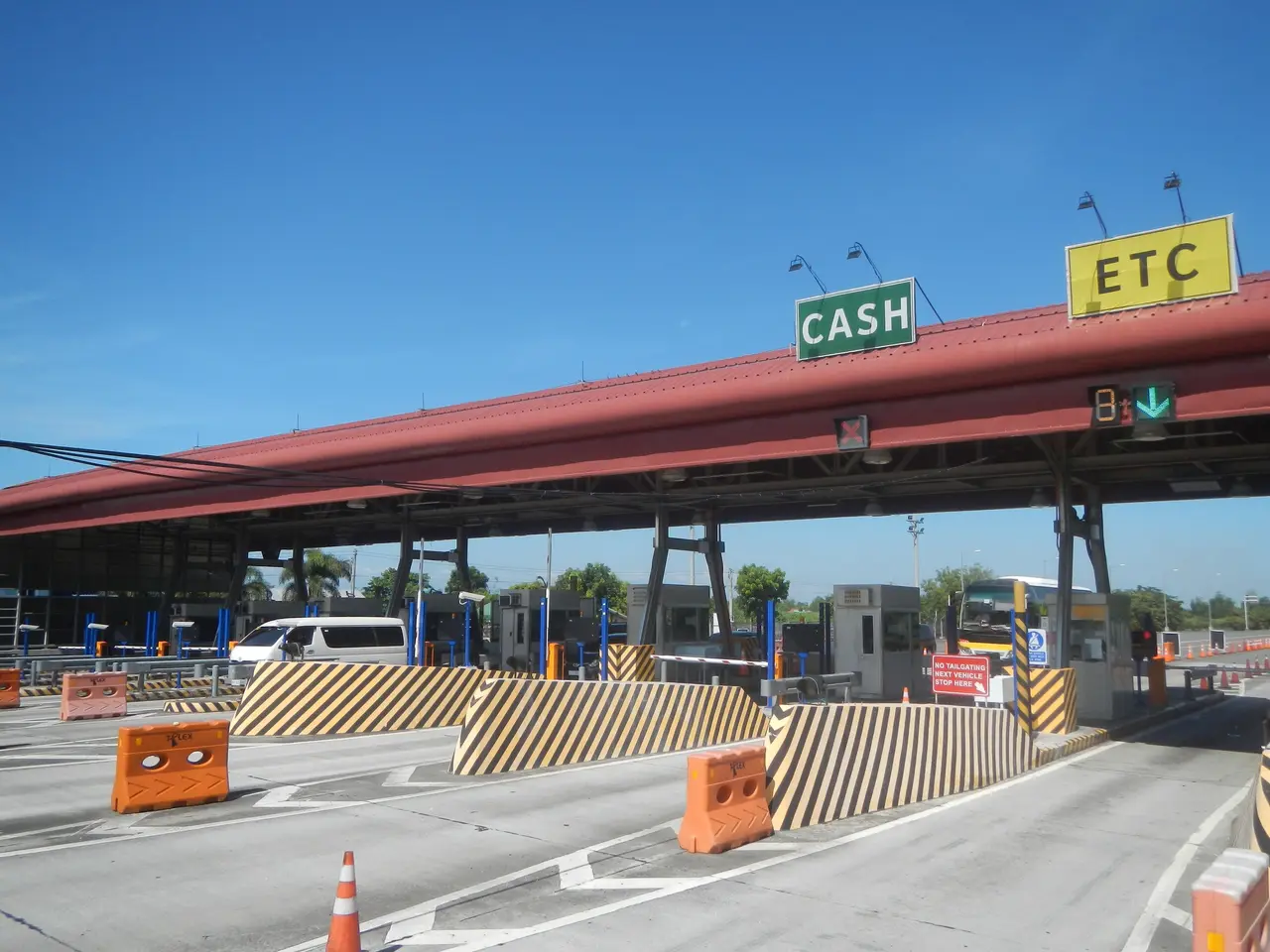
FASTag users in India will face higher toll charges from April 1, 2026. The price increase applies to both annual passes and general fees, with adjustments linked to the Wholesale Price Index. Banks and payment apps have already begun notifying customers about the revised rates. The new tariffs will affect all 28 states and 8 union territories, as FASTags cover national highways across the country. Monthly pass holders can expect a five to ten percent rise in costs. Frequent travellers may still save a small amount by renewing their passes before the April deadline.
Alongside the fee hike, new administrative charges will take effect. These include a slight increase in the issuance fee for lost or damaged tags. Users are also advised to maintain a higher balance in their linked wallets to avoid disruptions. The National Highways Authority of India (NHAI) is enforcing stricter rules. The 'One Vehicle, One FASTag' policy is now mandatory, and duplicate tags for the same vehicle will be deactivated. Tags may also be blacklisted if KYC details are not updated by March 31, 2026. Improvements are planned for later in the year. NHAI has promised faster refunds for 'double deductions' and a more efficient dispute resolution process. Additional 'GPS-based' tolling features will also be introduced to the FASTag system.
The changes take effect on April 1, 2026, impacting millions of daily commuters. With higher fees, stricter KYC checks, and new administrative charges, users must adjust their accounts and renew passes early to avoid extra costs. The updates also aim to streamline toll operations and reduce payment errors.