Solar Power, Euro, Lent - What February Brings - Europe's February 2026 shake-up: Euro adoption, travel rules and solar cuts
February 2026 will bring several key changes across Europe. Germany will adjust solar energy payments, streamline asylum rules, and increase school support for families. Meanwhile, Bulgaria will switch to the euro, and the UK will enforce stricter travel requirements for visitors.
On February 1, Bulgaria will officially replace its national currency with the euro. The fixed exchange rate will be set at 1.95583 lev per euro, making it the latest EU country to adopt the single currency. This move aims to simplify trade and travel within the region.
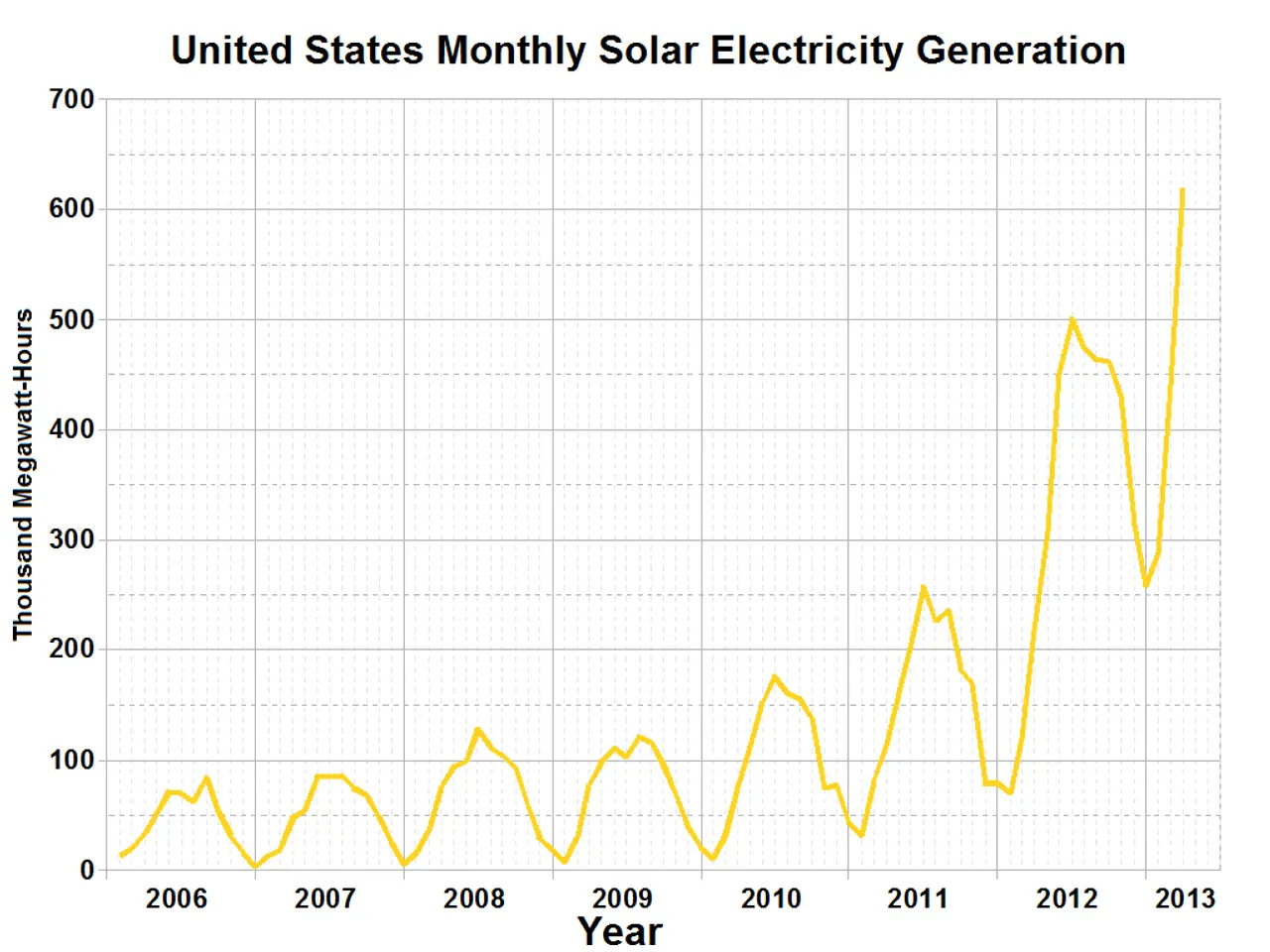
The same day, German solar panel owners will see a slight cut in their feed-in tariffs. The reduction of 1% will apply to small photovoltaic systems, affecting earnings for those feeding excess energy back into the grid. Additionally, parents in Germany will receive the second instalment of €65 for personal school supplies, easing back-to-school costs.
From February 25, travellers heading to the UK will face new entry rules. An Electronic Travel Authorization (ETA) will become mandatory for all visitors, costing £16 per application. Authorities will enforce this requirement strictly, replacing previous visa waivers for many nationalities.
Germany will also simplify its asylum process in February. A new regulation will introduce a clearer classification of safe countries of origin, speeding up decisions for applicants. This change follows ongoing efforts to manage migration more efficiently.
The month will also mark the start of Ramadan for Germany's 5.5 million Muslims. Observance is expected to begin around February 18, with daily fasting lasting until Eid al-Fitr in late March. Despite February having only 28 days, German workers will still log an average of 250.5 days for the year—2.4 more than in 2025.
These updates reflect broader shifts in energy policy, migration rules, and economic integration. Bulgaria's euro adoption will streamline transactions, while Germany's adjustments to solar tariffs and asylum procedures aim for greater efficiency. Travellers and residents alike will need to adapt to the new requirements taking effect in early 2026.