Europe's energy crisis deepens as Middle East tensions and EU methane rules collide
Energy prices in Europe are climbing sharply as tensions in the Middle East disrupt supplies. The conflict has damaged production sites in the Gulf and blocked the Strait of Hormuz, pushing up costs for crude oil and gas. At the same time, the EU's upcoming Methane Regulation threatens to worsen the crisis by imposing strict new rules on imports from 2027. The EU's Methane Regulation demands that energy producers and transporters drastically cut methane emissions. From early 2027, new import contracts will only be allowed if suppliers prove full compliance. Companies failing to meet the standards could face fines of up to 20% of their annual revenue.
Yet, with just nine months until the rules take effect, none of the EU's major suppliers—including Uniper, SEFE, and Shell—have made the necessary changes. These firms warn that compliance is impossible by the deadline and are pushing for delays or revisions. Meanwhile, not a single exporting country currently meets the EU's requirements. The situation is set to worsen as the Middle East conflict drives up fuel costs. Drivers are already paying more at petrol stations, and higher gas and electricity bills are expected soon. If the EU enforces the methane rules strictly, medium-term oil and gas imports could stall, deepening the supply crisis.
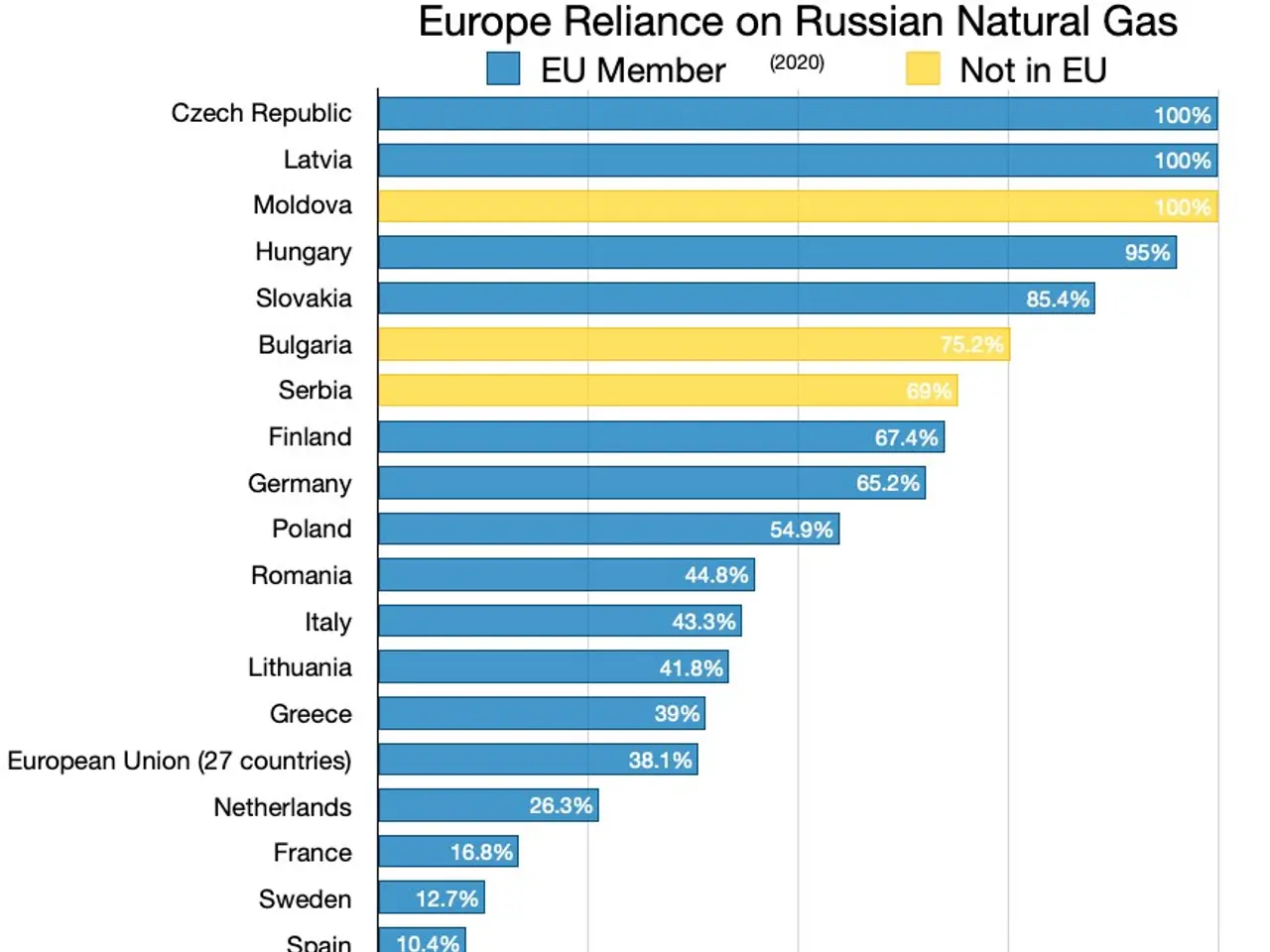
Europe remains heavily dependent on oil and gas, leaving it vulnerable to both regional conflicts and its own regulations. The EU has no influence over the Middle East turmoil, but its Methane Regulation risks creating a self-inflicted energy shortage. Without adjustments, the rules could further destabilise supplies while suppliers and exporters remain unprepared.