EU slashes budget by 8%—winners and losers in funding shake-up
The European Union is cutting its overall funding for member states by eight per cent over the next budget period. The total budget will drop from €758.93 billion to €698.27 billion. Some countries will see increases, while others face significant reductions in support.
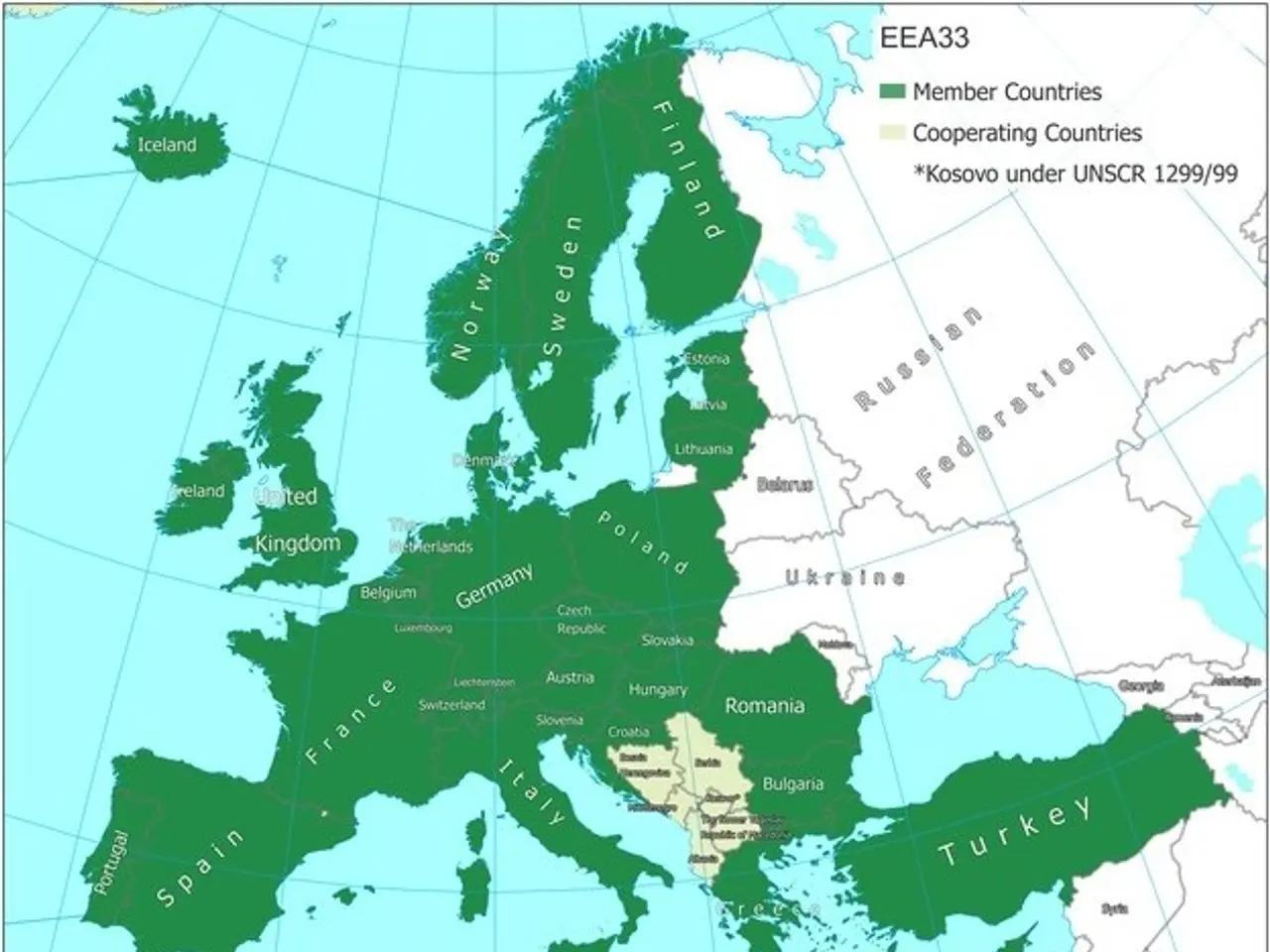
The changes come as part of a broader overhaul of the EU funding system. Member states will now have more flexibility in how they allocate funds, provided they submit detailed 'national development strategies' to the European Commission. Under the new plan, four countries—Estonia, Latvia, Malta, and Sweden—will receive larger shares of EU funding. Meanwhile, France, Italy, Spain, Portugal, and the Czech Republic will experience a 12 per cent cut in their allocations. Austria's funding will fall by nine per cent, while Slovenia and Ireland will see a 13 per cent reduction.
Germany's agricultural sector is guaranteed at least €31.87 billion, nearly €12 billion less than current levels. However, if the country redirects all available flexible funds toward farming, it could almost maintain its previous support for farmers. The only documented sector-specific adjustment so far is in Baden-Württemberg, where wine producers will receive an extra €2,000 per hectare starting in 2026.
The European Commission's reform aims to simplify funding by consolidating spending into broader categories. This shift gives countries more control over how they use EU money, but they must justify their spending choices in national strategies. The funds support key areas like farming, regional development, and social programmes across the bloc. The revised budget means some nations will have to adjust their spending plans. Countries with reduced allocations may need to rethink support for agriculture, infrastructure, or social initiatives. The changes take effect as the EU moves toward a more flexible but less centrally directed funding model.