EU delays full Russian oil ban as Middle East tensions destabilize markets
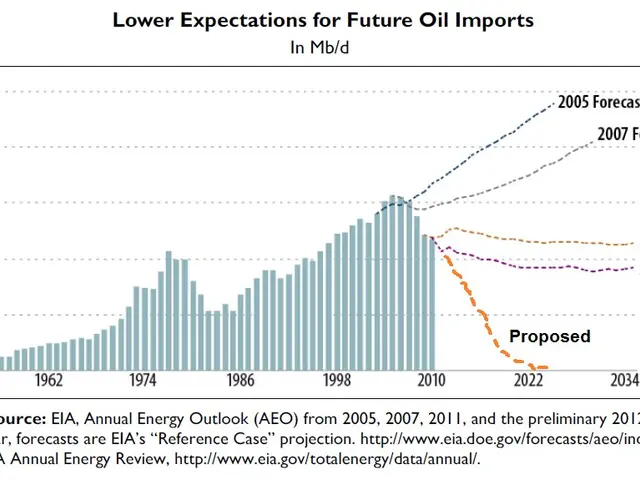
The European Union has delayed its planned full ban on Russian oil imports, originally set for April 2026. This decision comes amid rising tensions from the Iran War and wider disruptions in global oil supplies. The move has already influenced market behaviour, with traders making bold predictions on future price shifts.
The EU first announced its intention to restrict Russian oil in 2022. A broad embargo took effect soon after, though Hungary and Slovakia secured exemptions for pipeline deliveries. By late 2025, Russian oil accounted for just 1% of the EU's total supply. A proposal to enforce a permanent, complete ban by the end of 2027—pushed back from an earlier deadline of April 15, 2026—has now been postponed indefinitely.
The delay follows recent turmoil in the Middle East, particularly the Iran conflict, which has sent shockwaves through energy markets. While the EU has legally committed to ending Russian gas dependence by the end of 2027, no clear alternatives or new supplier agreements have been outlined in recent reports.
Despite these geopolitical pressures, oil prices have remained surprisingly steady. Supply and demand stay broadly balanced, even as financial speculators place large bets on future price increases. The market's stability contrasts with the underlying volatility, driven in part by the EU's shifting stance on Russian oil. The postponement of the EU's Russian oil ban has created a temporary calm in an otherwise tense market. Traders continue to monitor political signals closely, while the bloc faces ongoing challenges in securing stable energy sources. For now, prices hold firm, but the situation remains fluid as global conflicts unfold.