EU hopes for a swift conclusion of a trade agreement with Australia - EU-Australia trade deal stalls over beef quotas as deadline looms
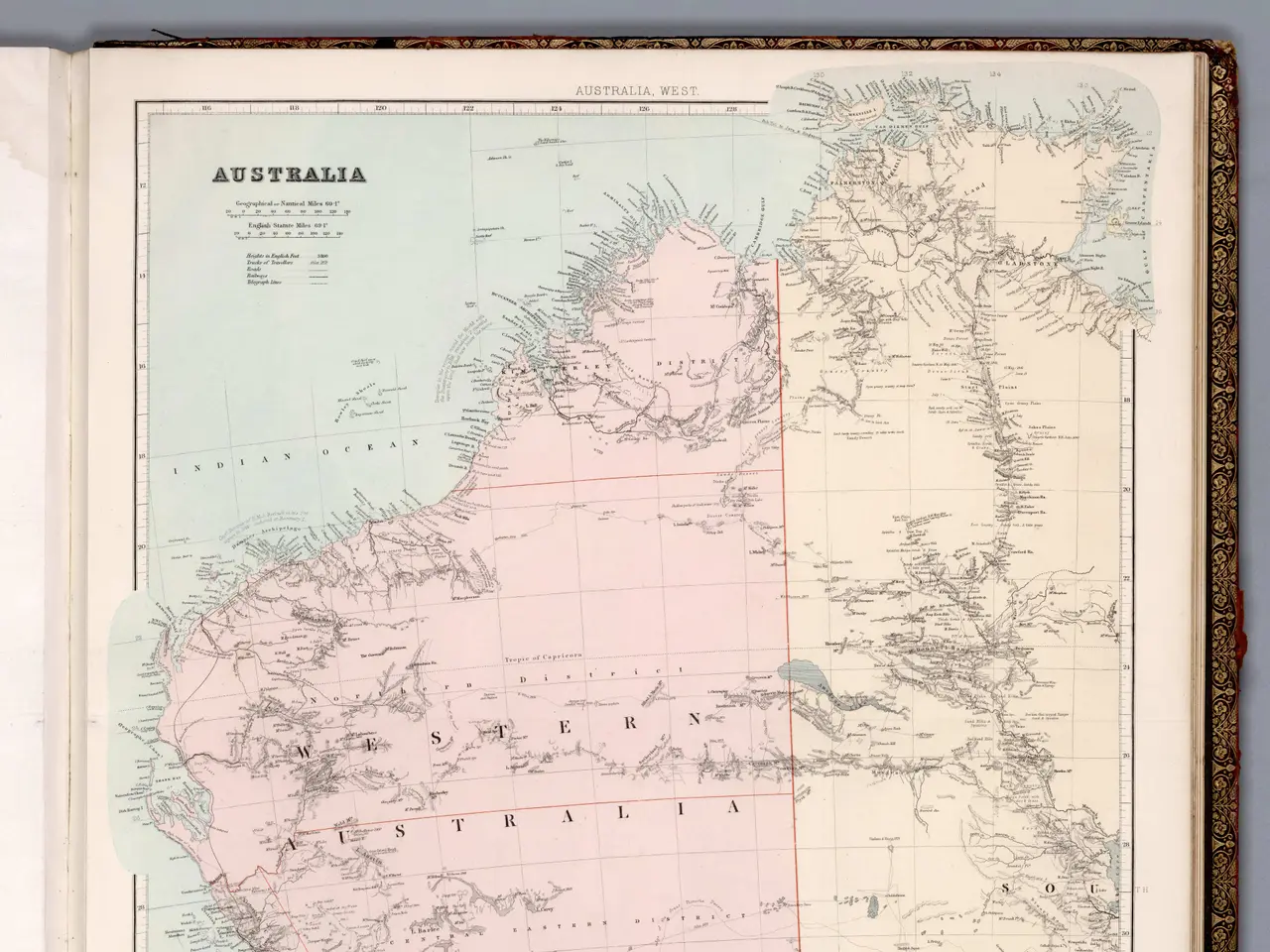
The EU and Australia are racing to finalise a trade deal in the coming weeks. Negotiations have hit a snag over Australian beef imports, with both sides yet to agree on duty-free quotas.
German officials are pushing for a quick resolution, citing the deal's importance for supply chain diversity and raw material cooperation.
The main dispute centres on beef. Australia wants a 40,000-ton annual quota for duty-free exports, while the EU has proposed 30,000 tons. This issue is especially contentious in France, where farmers have previously opposed similar trade terms.
Beyond agriculture, the deal aims to scrap tariffs and ease trade in services. European firms are keen to access Australian public procurement contracts. The agreement also includes pledges on climate and environmental standards.
Next Thursday, EU Trade Commissioner Maroš Šefčovič and Agriculture Commissioner Christophe Hansen will meet Australian negotiators in Brussels. German Foreign Minister Johann Wadephul has called for a 'swift' conclusion, stressing Australia's role in securing Germany's supply chains and raw material partnerships.
A final deal could arrive within weeks. If approved, it would cut trade barriers and set new rules for climate cooperation. The outcome will hinge on whether both sides can bridge the gap on beef quotas.