Ethereum surges 9% but struggles to crack $2,200 resistance level
Ethereum (ETH) saw a strong 9% rally on Monday but struggled to break past the $2,200 mark. This level remains a key resistance point for the cryptocurrency. Meanwhile, investment flows into Ethereum products turned negative last week, with over $27.5 million in net outflows recorded. The recent price action shows ETH facing immediate resistance at $2,180, followed by $2,200. A clean close above $2,200 could trigger a symmetrical triangle pattern, potentially pushing the price toward a measured target of $3,080. However, if support at $2,000 fails, the bearish scenario points to a drop toward $1,400.
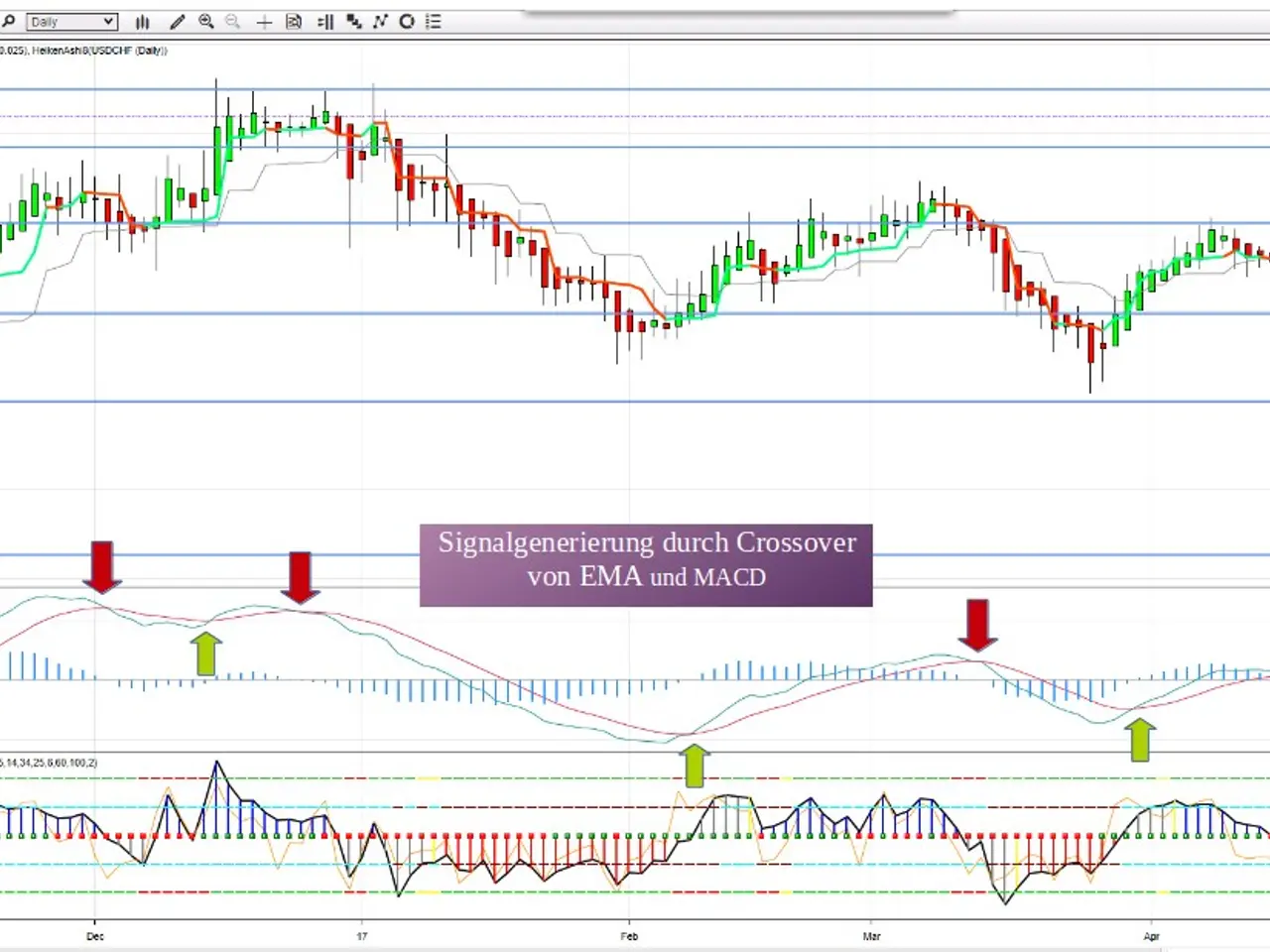
Technical indicators offer mixed signals. The 50-day exponential moving average (EMA) at $2,200 acts as resistance, while the 50-day simple moving average (SMA) at $2,000 provides support. On a positive note, the SuperTrend indicator on the daily chart has turned bullish for the first time since May last year.
Institutional activity reflects caution. Spot ETH exchange-traded fund (ETF) flows turned negative again, with net outflows exceeding $27.5 million in the week ending March 20. Despite this, Bitmine Immersion Technologies, led by Tom Lee, added $139 million worth of ETH last week. The company now holds 4.66 million ETH in its treasury. Ethereum's short-term direction hinges on whether it can sustain a break above $2,200. A successful move could open the path toward $3,080, while a failure to hold $2,000 might lead to further declines. Institutional flows remain volatile, with some firms increasing their holdings while others reduce exposure.