Elderly patients reveal shocking gaps in primary healthcare quality
A new study has revealed a significant gap between what older patients expect from primary healthcare and their actual experiences. Researchers in Iran found that many elderly individuals rated their care lower than anticipated, highlighting key areas for improvement. The findings suggest that better communication and respect for patient dignity could transform healthcare delivery for aging populations. The study, led by Pakzad, Yazdi, Naji, and colleagues, focused on older adults in Iran but carries global relevance. Primary healthcare serves as the first and most frequent point of contact for many, particularly the elderly. Yet, the research identified persistent shortcomings in communication and technical competence, leaving patients dissatisfied.
Advanced psychometric tools were used to measure expectations and perceptions, ensuring the results reflected cultural and methodological accuracy. The data showed a clear pattern: older patients consistently scored their healthcare experiences below their initial expectations. This mismatch was most pronounced in areas like interpersonal interactions and the ability of providers to address technical concerns effectively.
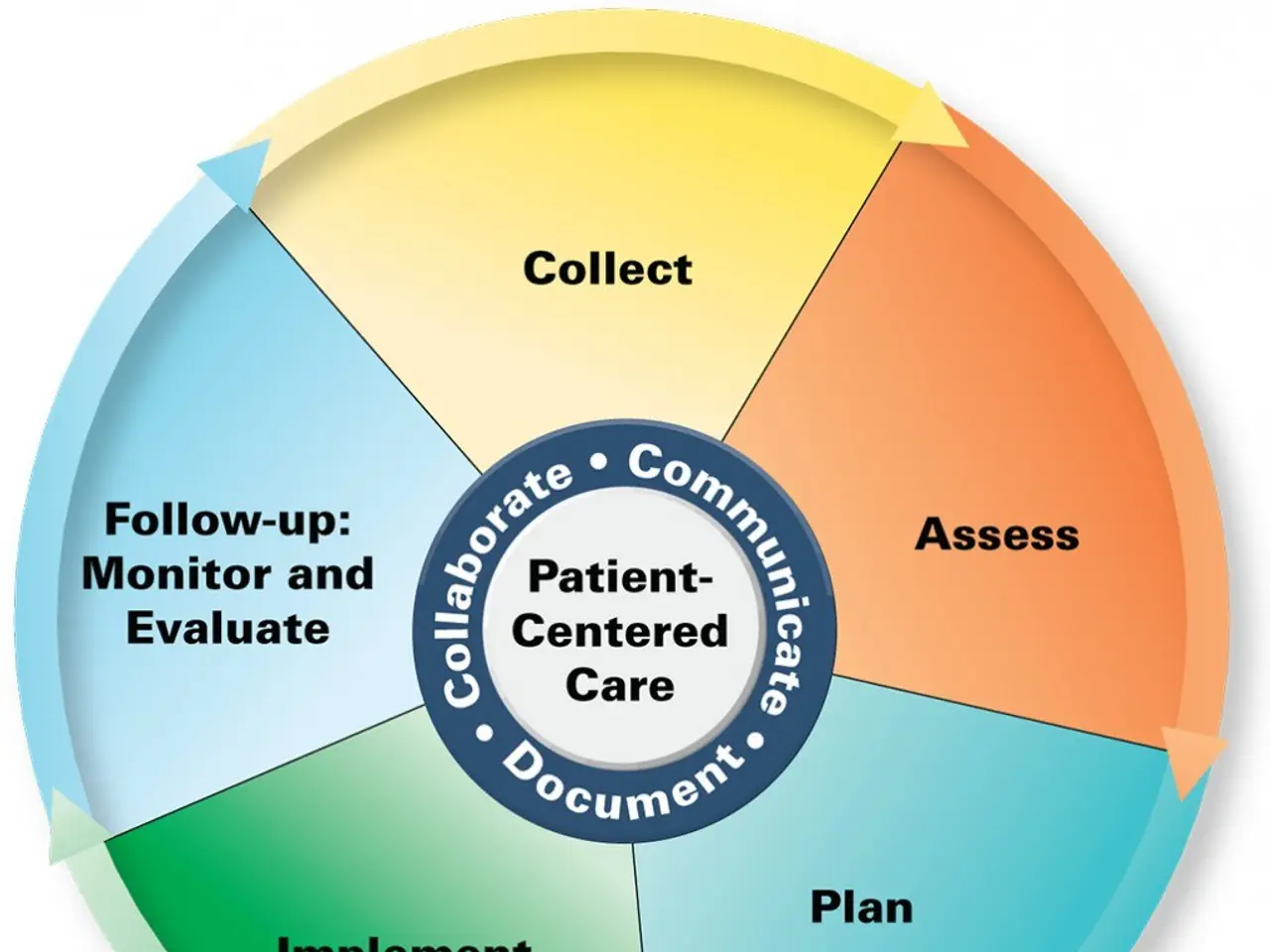
To bridge this gap, the researchers recommended stronger training in communication skills for healthcare staff. They also stressed the need for greater respect, dignity, and humanism in patient care. By aligning services more closely with patient expectations, the study suggests, older adults may become more proactive in using primary care. This could lead to better preventive care and improved management of chronic diseases. The findings underscore the importance of integrating patient expectations into quality improvement efforts. Healthcare systems worldwide could benefit from addressing communication barriers and technical shortcomings. Doing so may enhance the wellbeing of older adults and encourage more effective use of primary care services.