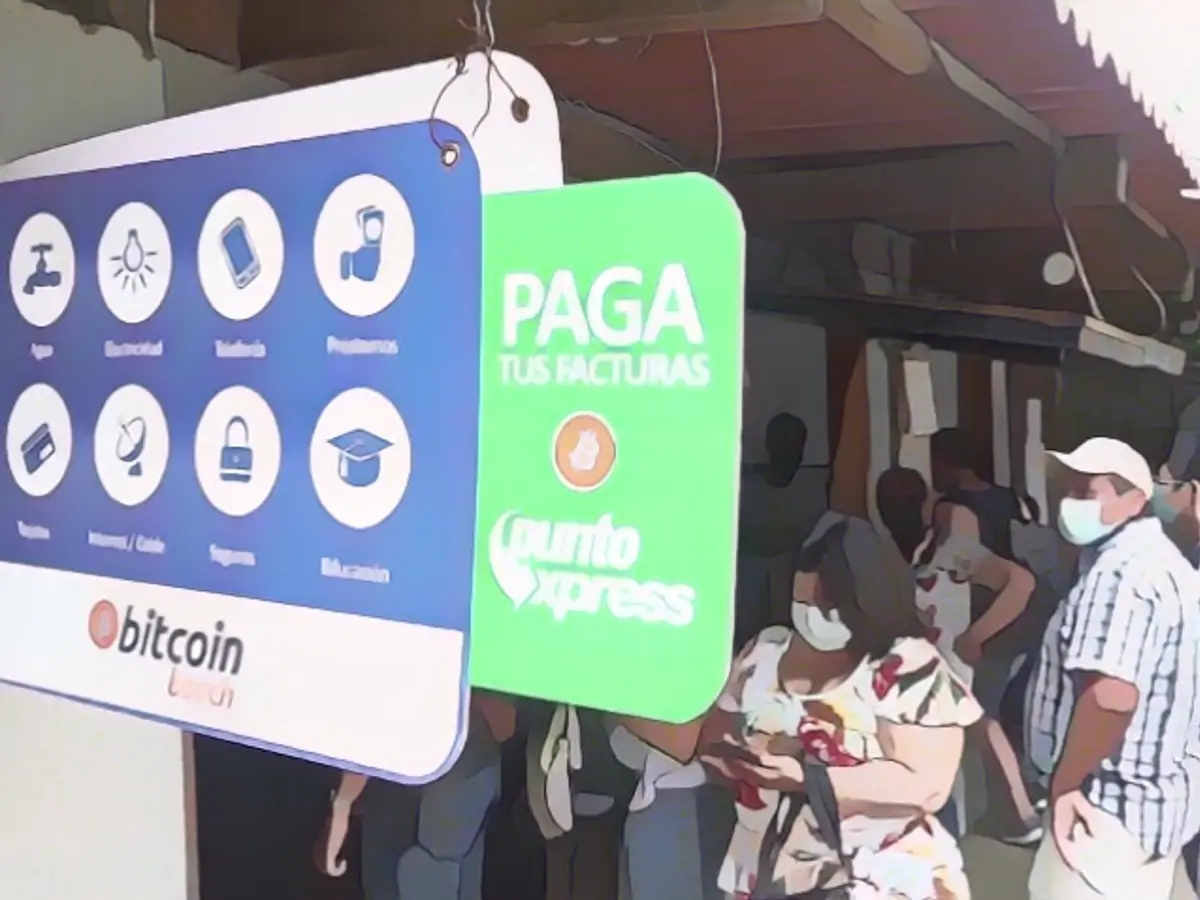
El Salvador's President Nayib Bukele announced his government's purchase of Bitcoin ahead of its legalization as a form of payment, sparking intrigue within the business sector. On a Bitcoin-declared day, the cryptocurrency's prices saw a significant dip, causing concern among businesses about potential adjustments to their pricing strategies or losses in value.
Bukele, a right-wing populist who came into power in 2019, initially planned to start using Bitcoin in June. The proposed legislation demands that all economic units accept Bitcoin as a legal payment method and suggests possible tax payments in the cryptocurrency.
Salvadorans can download the 'Chivo Wallet' offered by the government, which provides a Bitcoin grant of 30 USD to promote usage. Bukele tweeted, "El Salvador's #Bitcoin journey has a learning curve. Like every step into the future, we won't accomplish everything in a day, nor will we accomplish everything in a month. But we must break through the paradigm of the past."
Some citizens have embraced the technology, while others remain cautious. Baker José Abraham Cerón told CNN that dealing with Bitcoin wasn't complicated, but Blanca Estella Ponce, the owner of a nearby Taco stand, preferred cash. "Cryptocurrency is new, and we don't have enough information," Ponce told CNN.
El Salvador partnered with digital financial services company Strike to create the necessary infrastructure. Bitcoin is stored in digital exchanges instead of traditional bank accounts, allowing people in underdeveloped areas to access more financial information.
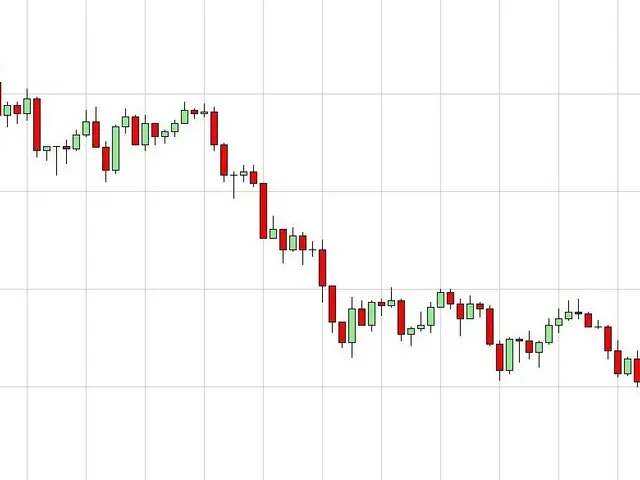
Social groups have urged the government to withdraw the law, primarily due to worrying concerns about Bitcoin's extreme volatility. Bitcoin, after experiencing a sharp decline early in the year, recovered slightly but remains below its all-time high of nearly 65,000 USD in April. As of the announced day, the price was at 46,930 USD, representing a 9.1% decrease within the past 24 hours.
The International Monetary Fund, which granted El Salvador emergency loans last year and is currently negotiating for more, holds a pessimistic view on Bitcoin as legal tender due to various economic, financial, and legal problems it might bring. "If Bitcoin rises and falls, how do we know then how much tax revenue we collect? How do we plan our expenses? Consider that Bitcoin surpassed 65,000 USD in April and then dropped almost half," Kristalina Georgieva, IMF Managing Director, stated.
At the end of July, Moody's Investors Service degraded El Salvador's debt rating further into junk status, citing a "deterioration of policy quality," including the government's decision to make Bitcoin legal tender. Moody's warned that the country could be susceptible to a funding shock that could challenge the government's ability to repay its debts due from Jan 2023.
Government officials in El Salvador hope that Bitcoin's legalization will attract new investments and lower remittance fees. They also aim to reduce overseas transfer transaction fees.
Joshua Berlinger, Rafael Romo, Charles Riley, and Jill Disis contributed to this report.
Note: The enrichment data is integrated into the article giving insights into the economic and regulatory implications of El Salvador's Bitcoin legalization decision.