Eastern Commissioner Sees Persistent Deficits in Economy - Eastern Germany's green boom hides stubborn economic divides
Eastern Germany has made significant economic progress since reunification, yet challenges remain. The region now leads in renewable energy production and hosts key industrial projects. However, growth is uneven, and future plans aim to tackle persistent issues like high energy costs and labour shortages.
Since 1990, the GRW programme has channelled around €65 billion into eastern Germany. This funding has triggered over €260 billion in private investment and helped create or secure roughly 3.1 million jobs. Despite this, the region's economic growth still relies on external support in many sectors.
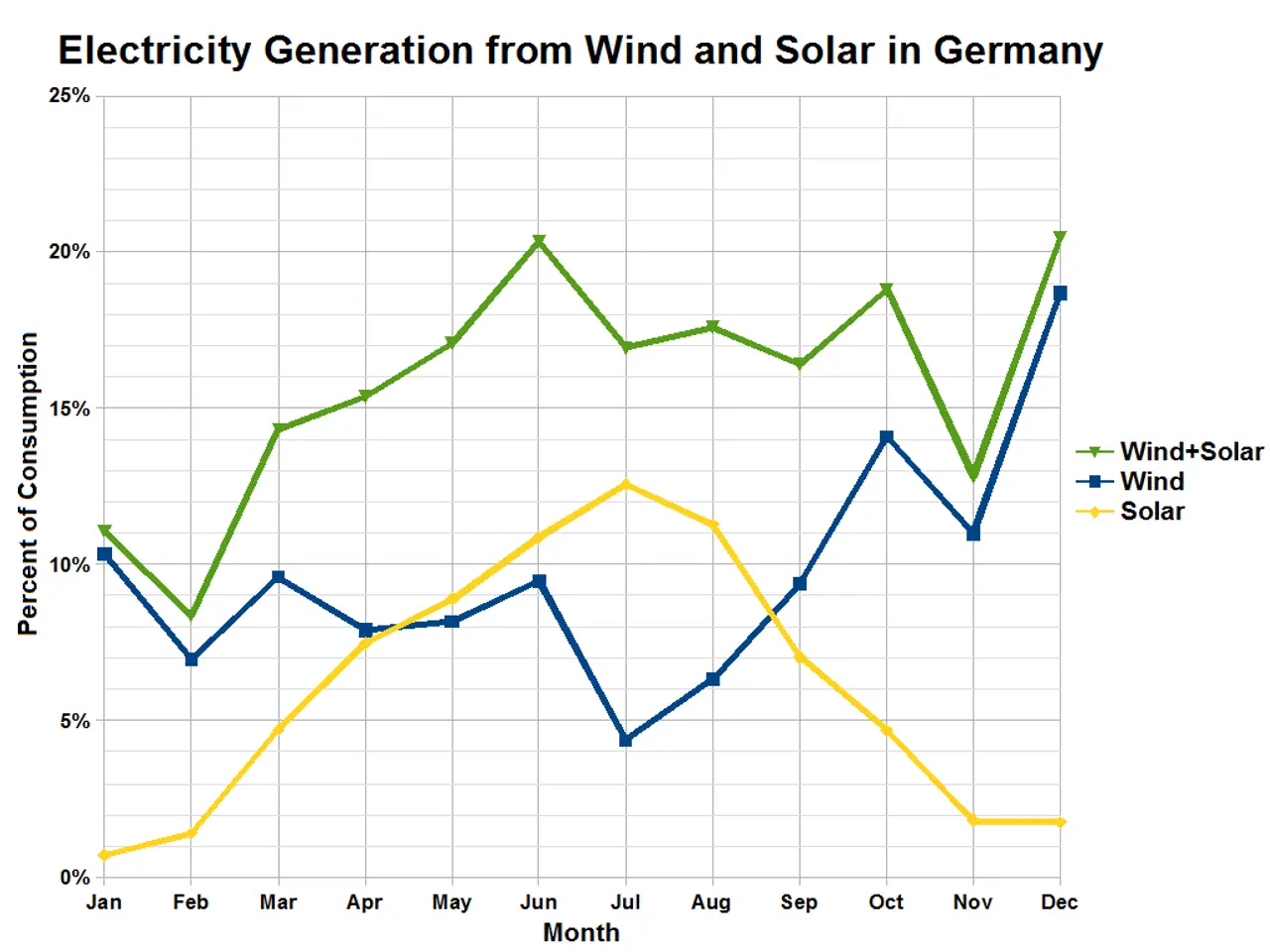
The area has become an industrial and research hub, particularly in renewable energy. It generates more green electricity than it uses, positioning itself as a leader in the energy transition. Major projects, such as a new university medical centre in Lusatia and a semiconductor cluster in Saxony, are also reshaping the local economy.
Looking ahead, funding will target high-potential sectors like microelectronics, batteries, hydrogen, green steel, and the circular economy. To boost investment, authorities plan to cut bureaucracy, speed up approvals, and improve infrastructure. Competitive energy prices and skilled labour immigration are also priorities.
Yet hurdles persist. Energy-intensive industries face steep costs, while a shortage of workers and low research activity hold back expansion. The lack of corporate headquarters in the region further limits long-term stability.
Eastern Germany's economy is forecast to grow by about 0.3 percent in 2025, slightly outpacing the national average. Continued investment in key industries and infrastructure could strengthen its position. However, addressing energy costs, labour gaps, and administrative barriers will be crucial for sustained progress.