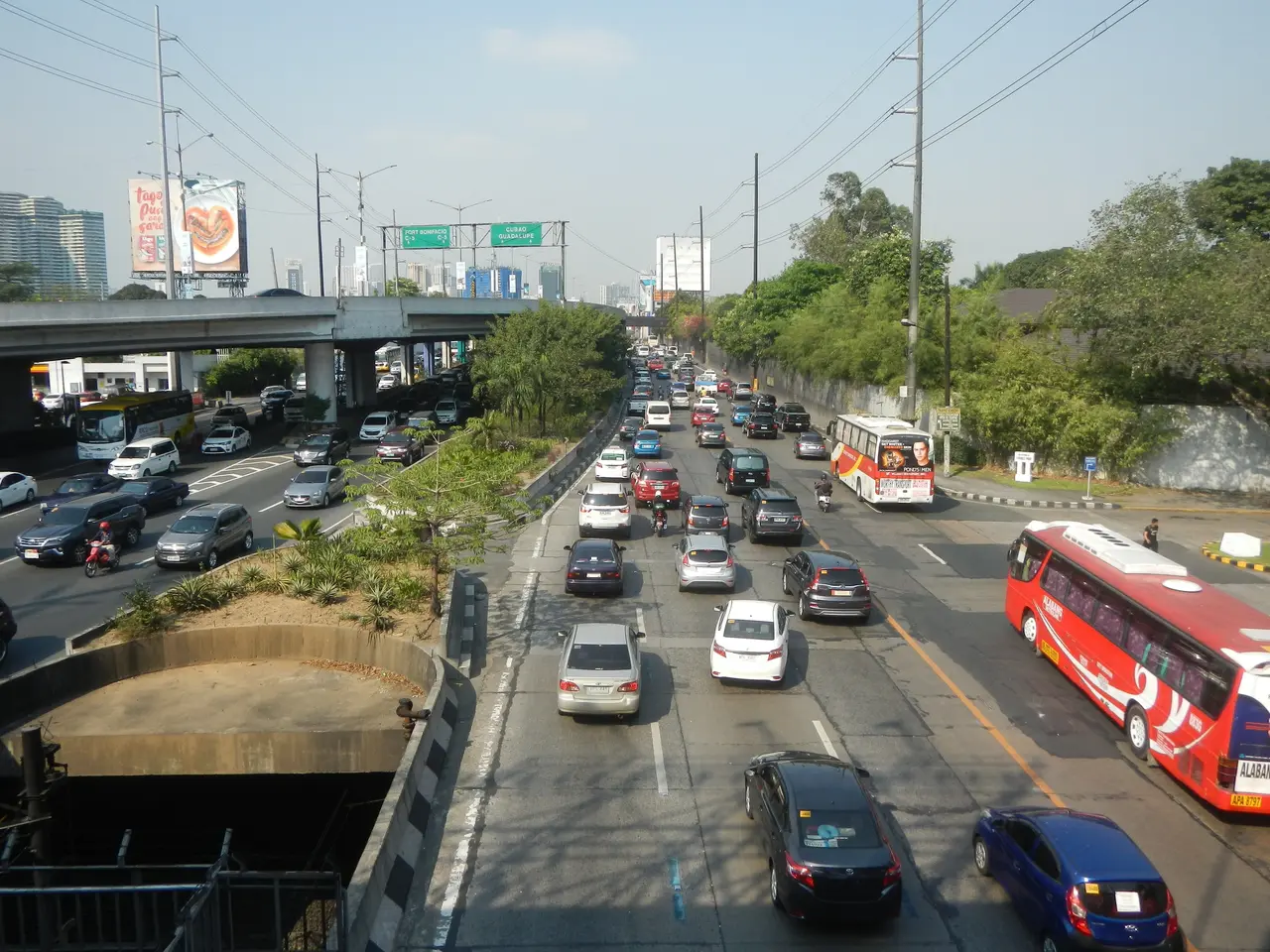
Easter travel chaos looms as Germany's coastal roads brace for gridlock
Germany's North and Baltic Sea coasts are bracing for another Easter travel surge. Every year, holidaymakers flock to these popular destinations, causing major congestion on key motorways. This weekend will mark the first big test of the year for the country's road networks. The rush begins as families take advantage of overlapping school holidays and public holidays. Most travellers will drive, leading to a sharp rise in traffic volumes. The busiest days are expected to be Maundy Thursday and Good Friday, when many set off for the long weekend.
The A1, A7, A20, A23, and A24 motorways are the worst-affected routes. These highways connect the Hamburg area to the coasts of Schleswig-Holstein, Mecklenburg-Vorpommern, and Lower Saxony. Bottlenecks form as thousands of vehicles converge, turning short trips into lengthy delays.
Easter travel has long been a challenge for Germany's transport system. The sudden spike in cars heading north strains infrastructure that is already under pressure. Even minor incidents can trigger hours of standstill traffic. The congestion will likely ease by Easter Monday as visitors begin their return journeys. Until then, authorities are advising drivers to plan extra time or consider alternative routes. The annual pattern highlights the ongoing pressure on roads leading to Germany's most popular seaside regions.