Early stork arrival in Austria signals shifting migration patterns
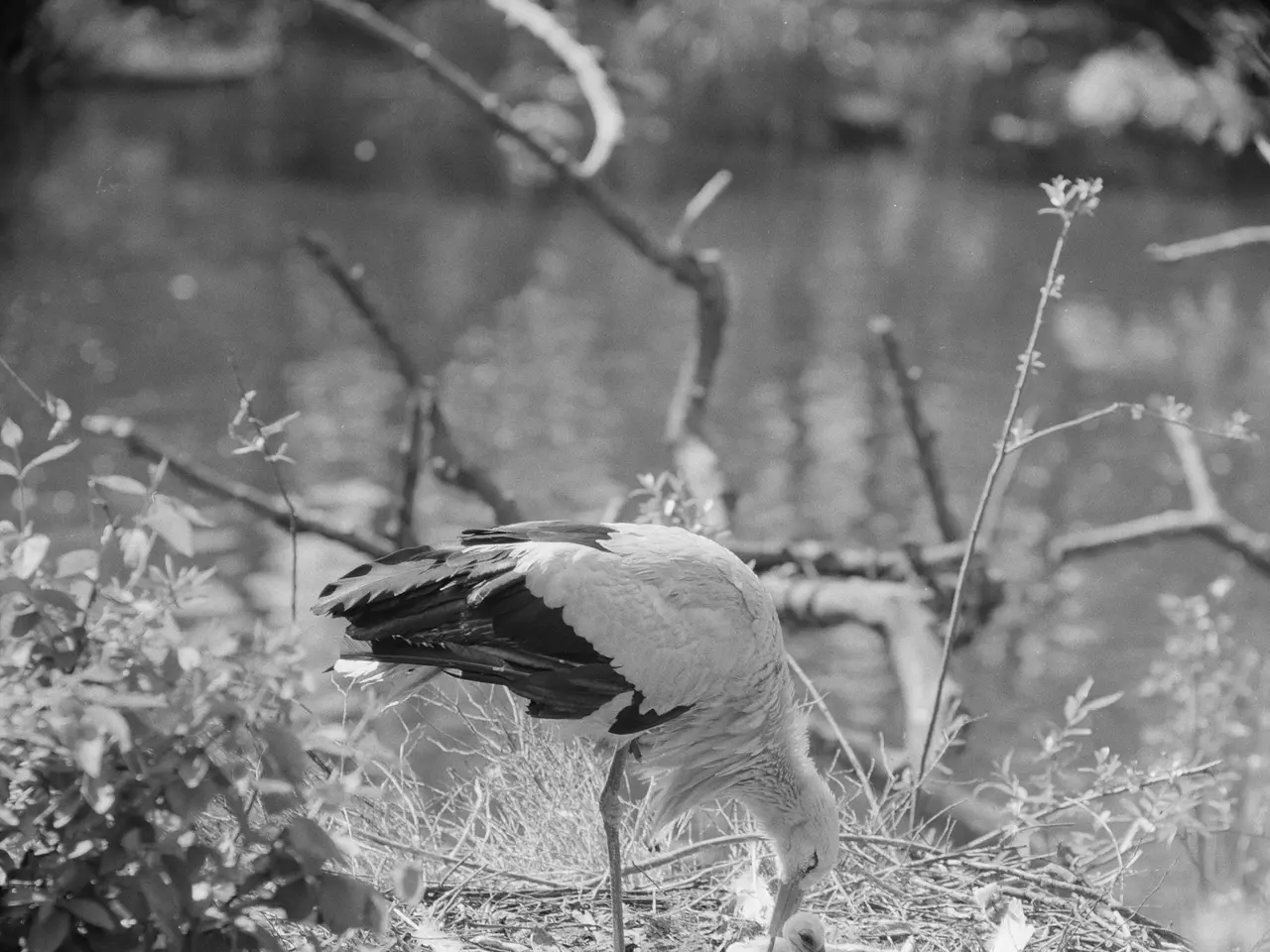
The first white stork of the year landed in Austria's WWF reserve in Marchegg on Sunday at 4 p.m. This arrival marks the start of the stork breeding season, with more birds expected in the coming weeks. Experts note that the timing is unusually early compared to past decades.
The stork's return came three weeks ahead of the average arrival time recorded 20 years ago. Conservationists link this shift to climate change, as warmer winters encourage earlier migrations.
Preparations for the storks had already begun in Rust, where volunteers cleaned nests as part of an annual tradition. The reserve also expanded nesting options, adding artificial platforms to bring the total to around 60 sites. Last year, these efforts supported 49 breeding pairs and 125 fledglings.
Beyond Marchegg, storks have been spotted in Burgenland and along the Danube River in Lower Austria. Key observation areas include Hainburg, Petronell-Carnuntum, and Neusiedl am See. By early March, roughly 450 white storks had settled across Austria, occupying both natural and man-made nests.
The Rust Stork Station played a role in this year's count, too. Five injured storks overwintered there, with four more arriving in January. Their presence highlights ongoing conservation work to protect the species.
Wildlife experts credit the reserve's success partly to semi-wild Konik horses. These animals graze on floodplains, maintaining diverse vegetation that attracts insects—a vital food source for storks.
With nesting sites prepared and early arrivals recorded, the WWF reserve anticipates a busy breeding season. The growing number of storks across Austria reflects both conservation efforts and changing migration patterns. More birds are expected to return as spring progresses.