Drought and El Niño threaten 2024 global food supply after brief price stability
Global food markets faced shifting conditions in 2023 as wheat, corn, and soybean prices stabilised after months of sharp increases. The easing came after supply chains recovered and economic recession fears faded. But new challenges are emerging in 2024, with drought and El Niño threatening key crops across Asia and Australia. The 2023/24 agricultural year began with improved supply stability, halting the steep price rises seen in previous years. Yet by late 2023, wheat supply concerns resurfaced as major exporting nations cut shipments. India, the world's largest rice producer, also restricted exports in 2023, pushing rice prices to 15-year highs.
Drought conditions now loom over the next harvest cycle. Australia, the second-largest wheat exporter globally, will plant crops in April 2024 on parched soil. Meanwhile, India plans to resume wheat imports in 2024 for the first time in six years, anticipating a drought-hit harvest. Rice production is also set to drop in early 2024 due to dry planting seasons.
The El Niño weather pattern is expected to persist until at least May 2024, further straining agricultural output. Palm oil production will likely decline, driving up cooking oil costs. In contrast, South America's corn, wheat, and soybean shipments should remain steady thanks to heavy rainfall boosting yields.
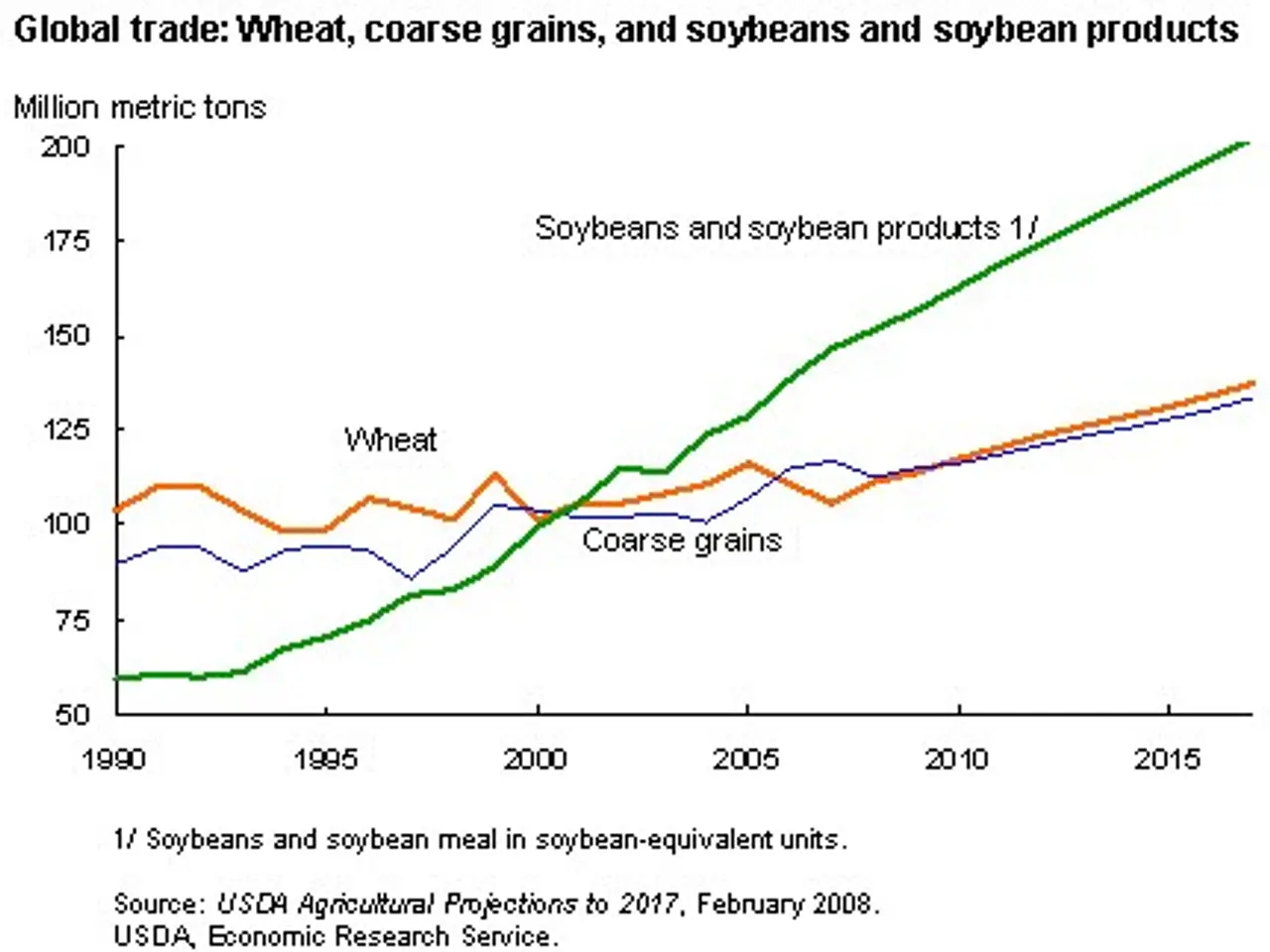
Trade patterns are already adjusting. Argentina has become a key wheat supplier, with exports projected to hit a record 18.0 million tons by 2025/26. Canada has also increased deliveries, filling gaps left by reduced European supplies. Global wheat trade volumes have risen to 222.0 million tons, reflecting broader diversification among buyers like China and Indonesia. Major wheat importers, including China and Indonesia, will need to secure alternative sources in 2024 as traditional suppliers face production cuts. With El Niño extending into mid-2024, agricultural output in Asia and Australia remains at risk. The coming months will test global food supply chains as drought and trade shifts reshape the market.