Drones and AI Reshape Europe’s Skies as Security and Efficiency Clash
Europe’s airspace is undergoing major changes as drones and modernised flight systems reshape aviation. New regulations and security measures are being introduced, while airlines like Lufthansa adopt advanced technologies to improve efficiency. Meanwhile, disputes over night flights continue to stir debate in Germany’s busiest airports.
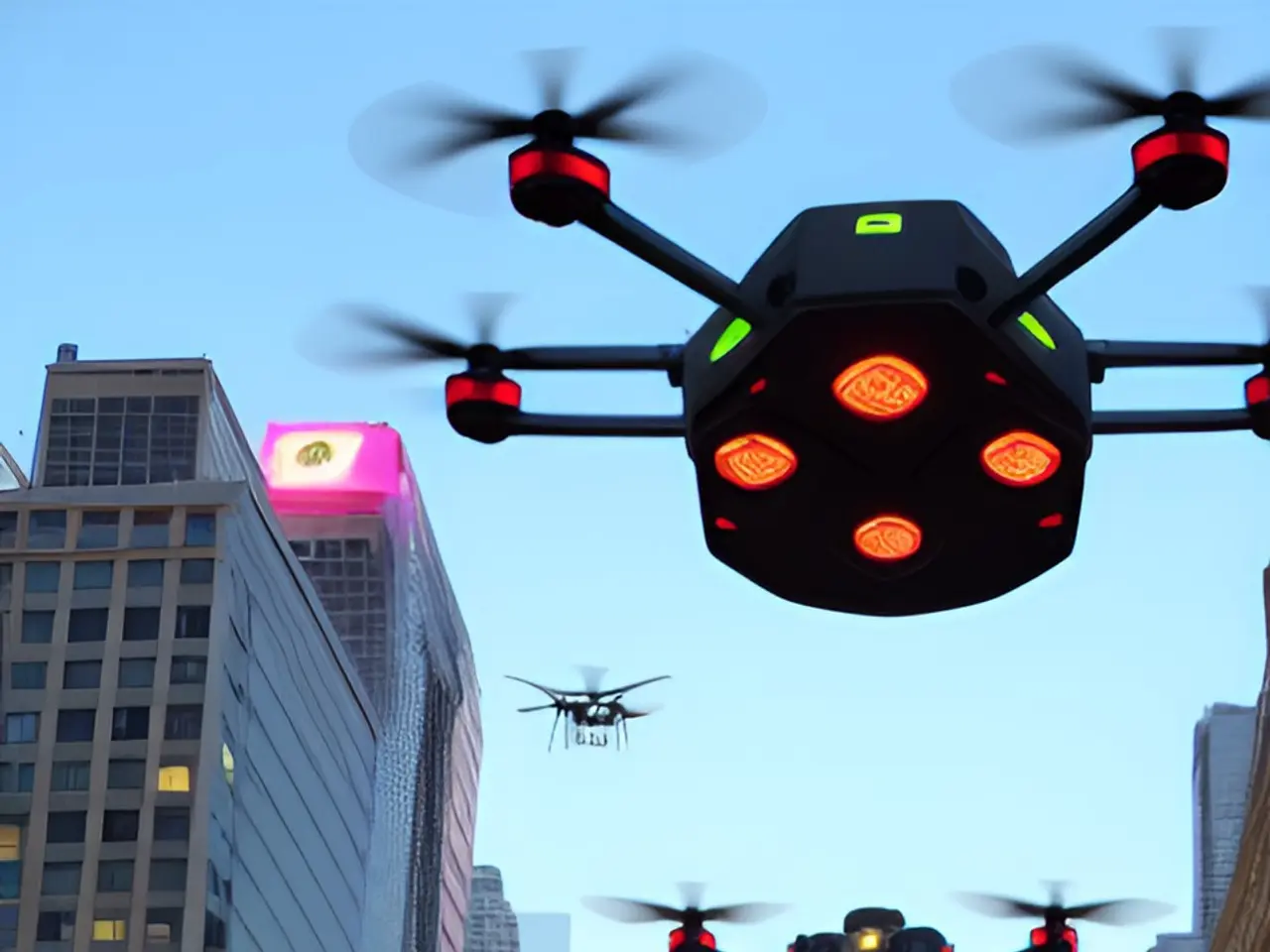
In Germany, the integration of drones into civil airspace has taken a significant step forward. The German Aerospace Center (DLR) developed new procedures to safely manage drone traffic alongside traditional aircraft. These efforts align with broader European plans to modernise air traffic control.
Security concerns have also driven action. The Federal Criminal Police Office reported over 1,000 suspicious drone sightings near airports and critical infrastructure in recent years. In response, Interior Minister Alexander Dobrindt opened the Gemeinsames Drohnenabwehrzentrum (GDAZ) in Berlin—a 24/7 hub uniting federal police, military, and intelligence agencies to counter drone-based espionage and sabotage. A dedicated drone defence centre is now set to launch by 2026. Meanwhile, Lufthansa Group has optimised flight routes using real-time data transmission. This innovation contributed to a noticeable drop in delays during 2025, even as air traffic volumes climbed. Yet challenges remain: 29 late-night departures from Frankfurt after 11:00 PM—required for de-icing—reignited protests over night-flight restrictions in the Rhine-Main region. Beyond Europe, China implemented its first binding drone regulations under a new national law, marking a global shift toward stricter oversight of unmanned aerial systems.
The push for smarter airspace management is accelerating, with drones playing an expanding role. Germany’s new security centres and Lufthansa’s data-driven routing show how technology is transforming aviation. However, balancing efficiency with noise concerns and safety risks will remain a key challenge for regulators and airlines alike.