Dienhausen Pond becomes a lifeline for thousands of migrating amphibians
Dienhausen Pond in the Landsberg district has become a vital hub for amphibian migration. Last year, nearly 7,500 creatures crossed nearby roads to reach the site, with nearly 40 percent of the district's recorded amphibians now found in this area. Efforts to protect them have ramped up as the migration season continues for another three weeks, weather permitting.
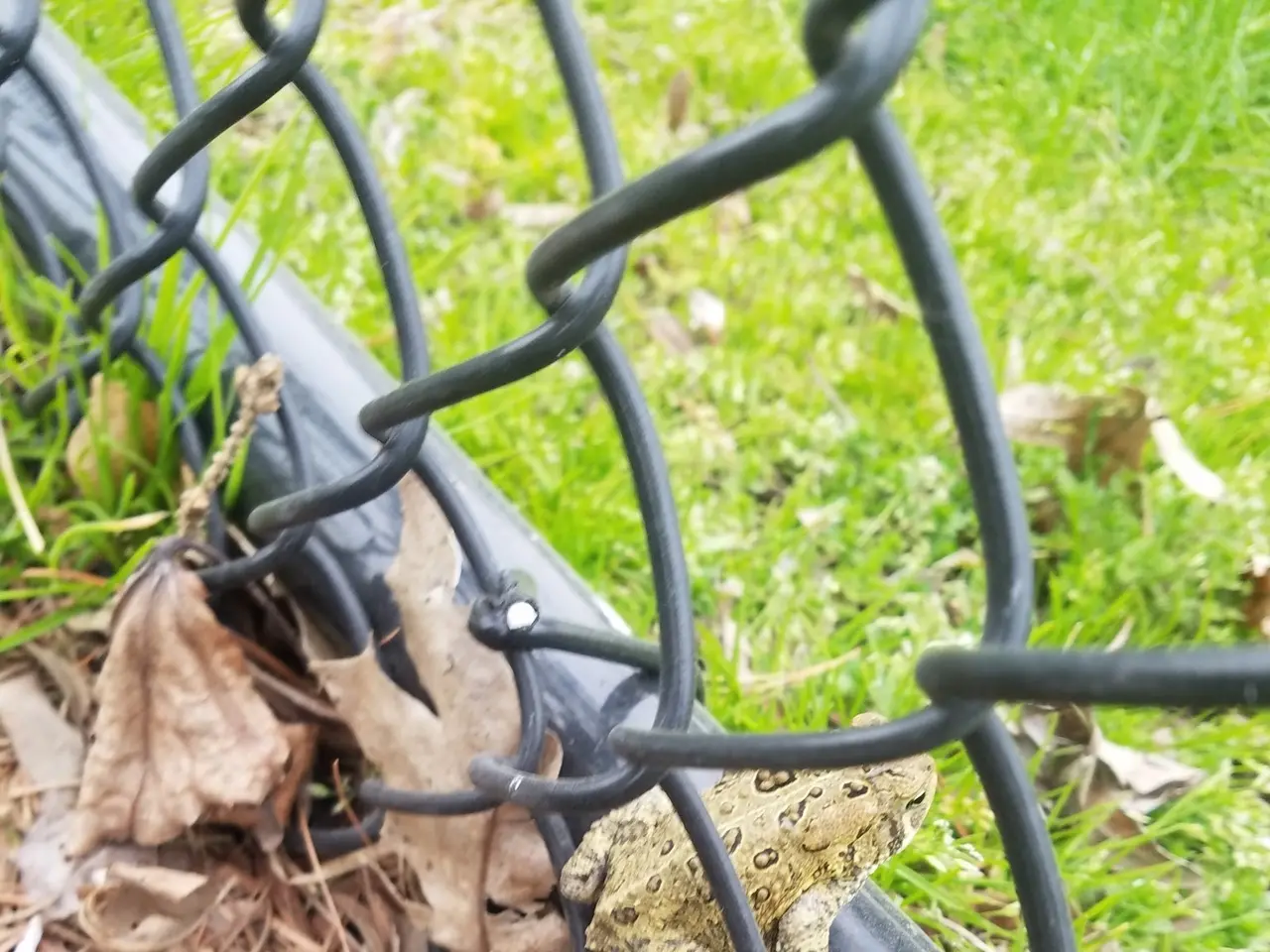
The pond, managed by the local angling club Petri Heil Altenstadt-Schongau, attracts species like the common toad, great crested newt, and European tree frog. Along the adjacent Weihertalstraße, volunteers patrol at dawn and dusk, rescuing amphibians that fall into buckets placed along a protective fence. This fence will later be lifted at the bottom to let the animals return safely after breeding.
To reduce road deaths, authorities have imposed a 30 km/h speed limit and partial closures on Weihertalstraße. The measures follow years of documented migrations, with three strictly protected species—common toad, common frog, and alpine newt—regularly counted here. Similar protections, such as underpasses and temporary roadblocks, have been used elsewhere in Bavaria. Evelyn Perko, an independent animal welfare advocate, initially faced tensions with the club and police but now works alongside them. She coordinates with the LBV Landsberg conservation group and reports her counts to the authorities, ensuring a unified approach to protection.
The migration season will last around three more weeks, depending on weather conditions. Until then, speed restrictions, patrols, and fencing will remain in place. The collaboration between volunteers, the angling club, and conservationists aims to safeguard the amphibians during their critical breeding period.