Demonic Transformation: A Dangerous and Misunderstood Pursuit
The allure of demons has captivated human imagination for centuries, with stories of these entities woven into countless cultures and belief systems. However, the pursuit of demonic transformation is fraught with danger and misunderstanding.
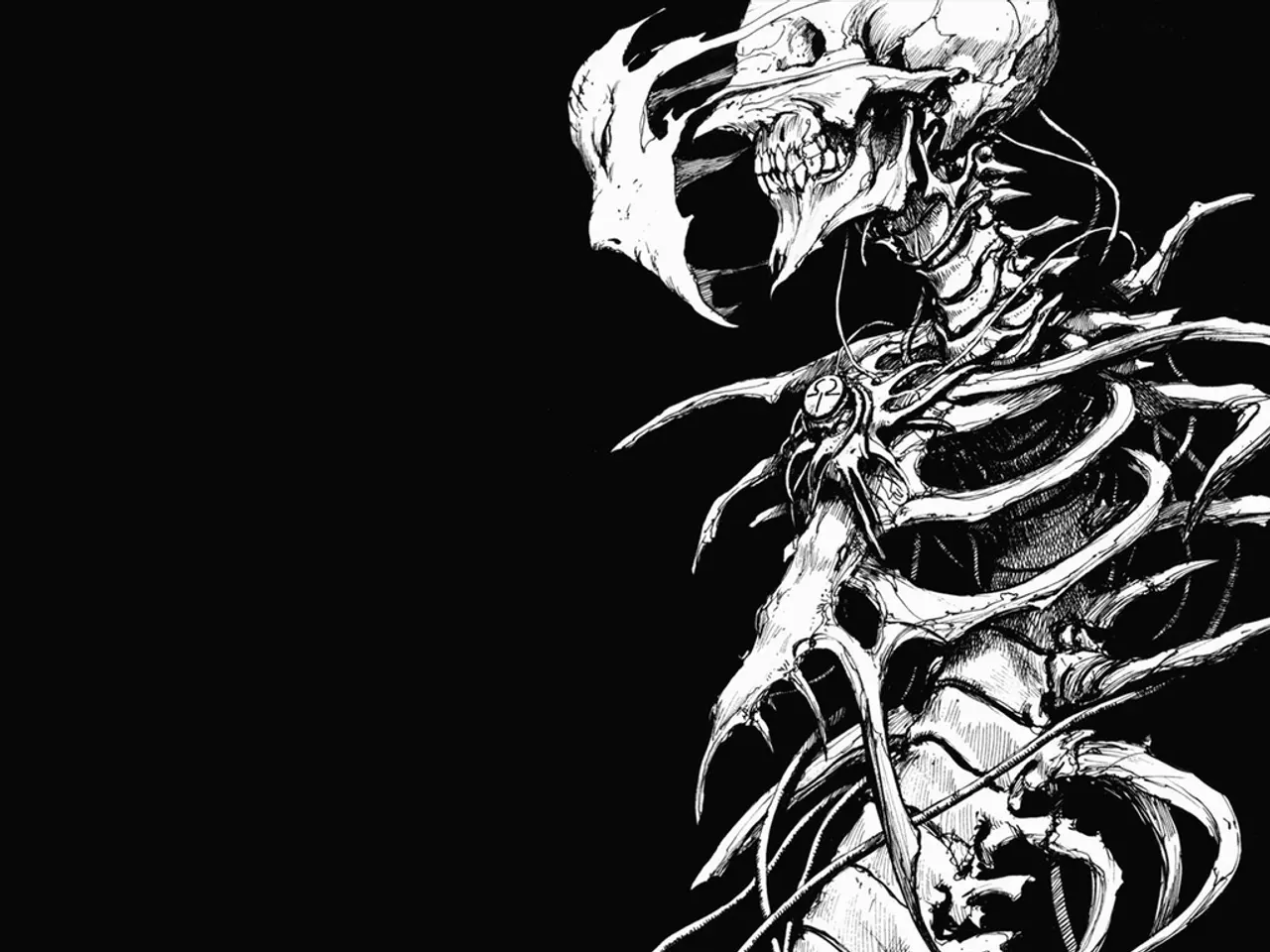
The term 'demon' itself is incredibly broad, encompassing entities with diverse origins, powers, and motivations. Common myths and misconceptions include the belief that demons are solely agents of chaos and that anyone can simply choose to become one. In reality, becoming a demon would require significant preparation, both mental and spiritual. It might involve physical manifestations and spiritual decay, with the individual losing their humanity.
The transformation might involve severing ties with the mundane world, cultivating dark virtues, and mastering the occult arts. Navigating the infernal hierarchy and facing eternal damnation are challenges for a newly formed demon. The rituals involved are speculative but often include blood pacts, invocation, and possession. Actions taken during this process can have serious legal and ethical implications, including harm to oneself or others.
However, it's essential to note that the concept of a demon varies across cultures. In some, demons represent untamed forces within the human psyche or the natural world, serving as catalysts for personal growth. In ancient Greek culture, neutral daimones were spiritual intermediaries, not evil entities. Even blood rituals involving demons can serve protective or life-affirming functions in certain traditions.
For those seeking power or change, safer and more ethical alternatives exist, such as developing skills through education and engaging in acts of service. The pursuit of demonic transformation is inherently unethical and potentially harmful, with devastating consequences for the individual and those around them. It's crucial to understand and respect the complex nature of demonic entities and the cultural contexts that shape our perceptions of them.