Deadly Floods in Nigeria: Over 150 Casualties Confirmed According to Recent Aid Statement
Central Nigeria grapples with devastating floods as death toll surpasses 150 in Mokwa
More than 150 people have perished in the floods that struck the city of Mokwa in central Nigeria, officials announced on Saturday, May 31. The state’s emergency management agency expects the death toll to rise further. Initial reports suggested at least 115 fatalities.
Over 3,000 individuals have been displaced, with 265 houses completely destroyed and two bridges washed away, according to the emergency management agency. At least 78 injured individuals have been hospitalized, according to the Red Cross. The whereabouts of more than 50 children from a Quranic school remain unknown. Search and rescue operations are ongoing.
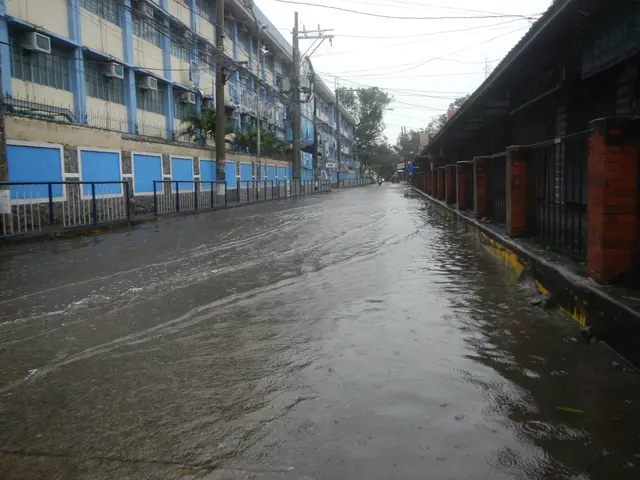
Heavy rains swept through Mokwa and surrounding areas near the Niger River last week, submerging and destroying numerous homes. Bodies were swept away by the river and carried downstream, while buildings collapsed and roads became flooded, according to eyewitness accounts.
The Nigerian government has dispatched security forces to aid first responders, and President Bola Tinubu has promised to provide rescue materials and temporary shelter as soon as possible. The rainy season in Nigeria, typically lasting six months, has just begun in 2025.
Floods in Nigeria, triggered by heavy rains and inadequate infrastructure, are an annual occurrence, wreaking havoc and claiming hundreds of lives across the country. Climate change is exacerbating extreme weather events, contributing to these disasters. Poor drainage, housing construction near waterways, and waste disposal into drains and waterways worsen the impact of floods in Nigeria.
In 2024 alone, more than 1,200 people lost their lives and 1.2 million were displaced in at least 31 of the country's 36 states. The ongoing relief and recovery efforts in Mokwa involve local and national emergency teams searching for missing people and providing medical aid to the injured, as well as authorities and humanitarian organizations organizing shelter and essential supplies for those displaced.
Future preventive measure discussions focus on the need for improved infrastructure, better urban planning, and enhanced disaster preparedness to minimize the consequences of future crises.
Scientists warn that climate change could intensify annual floods like the one in Mokwa, highlighting the intersection of environmental science and climate-change. As politicians grapple with addressing this issue, general news outlets continue to cover the devastating impact of extreme weather events on communities, such as the recent floods in Nigeria. The ongoing crisis in Mokwa underscores the urgency in investing in preventive measures like infrastructure improvements, urban planning, and disaster preparedness for a more resilient and safer future.