Deadly Avalanches in the USA and Switzerland Spark Urgent Safety Warnings
Avalanche safety has come into sharp focus after a series of deadly incidents this month. In California, nine backcountry skiers were killed in one of the worst US avalanches in decades. Meanwhile, a dramatic video of an avalanche striking a Swiss train has also drawn global attention to the risks of snow slides in mountainous regions.
Experts stress that understanding warning signs and carrying proper gear can save lives when travelling in avalanche-prone areas.
On 1 March, 15 skiers were caught in a massive avalanche near Castle Peak in California's Tahoe National Forest. The slide proved fatal for nine of them, marking the deadliest US avalanche since 1979. The tragedy has underscored the importance of checking slope stability and heeding danger warnings before venturing into backcountry terrain.
In another high-profile incident, footage of an avalanche slamming into a moving train in Zermatt, Switzerland, spread rapidly online. Reports conflicted on injuries: Fox 10 Houston stated no one was hurt, while Powder.com claimed five passengers suffered minor injuries. The event served as a stark reminder that avalanches can strike even in controlled environments like railway corridors.
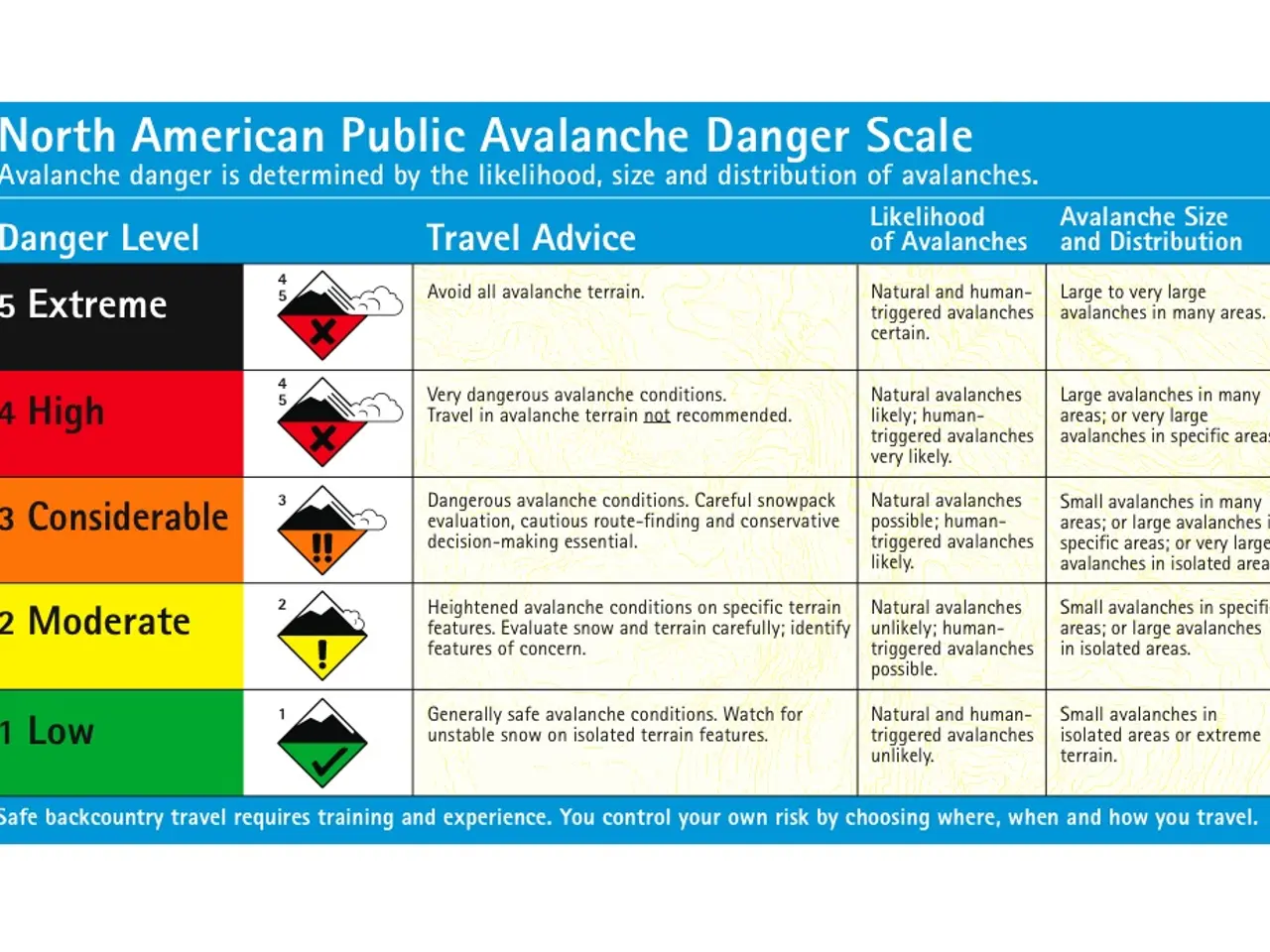
Over the past decade, US avalanche fatalities have averaged 45 to 50 per year, with Colorado, Alaska, and Utah recording the highest numbers. Colorado alone has seen over 15 deaths annually, followed by Alaska and Utah with around 10 each. Safety organisations recommend using tools like the North American Public Avalanche Danger Scale (NAPADS) to assess risks before heading into the mountains.
Avalanche.org remains a key resource for real-time conditions, educational materials, and incident reports. Experts advise carrying essential equipment—helmets, transceivers, shovels, and avalanche airbags—to improve survival odds. They also highlight lesser-known techniques, such as creating an air pocket in front of the mouth if buried, to reduce the risk of carbon dioxide poisoning.
The recent avalanches in California and Switzerland have renewed calls for better preparedness in snow-prone areas. Proper training, reliable gear, and awareness of terrain risks remain critical for reducing fatalities. Authorities continue to urge skiers, hikers, and travellers to check updated forecasts and follow safety guidelines before entering backcountry zones.