Court blocks multi-generational home to protect forest under state law
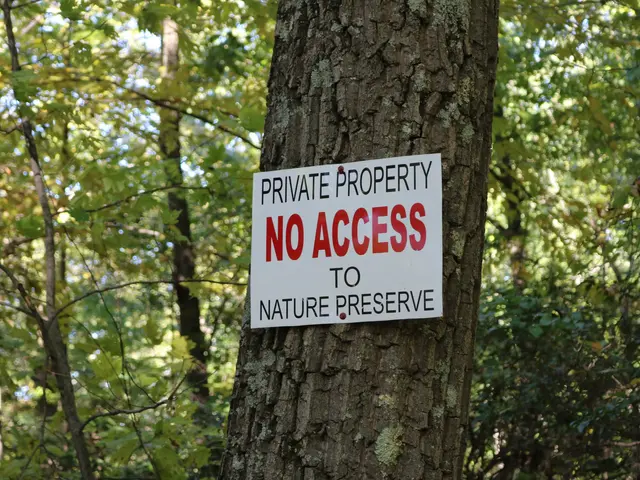
A landowner's plan to build a multi-generational house has been blocked after authorities ruled the property must remain forest. The forestry office confirmed the land falls under the state's Forestry Act, protecting its ecological value.
The owner had applied to clear trees for construction but faced rejection at every stage, leading to a legal challenge that ultimately failed.
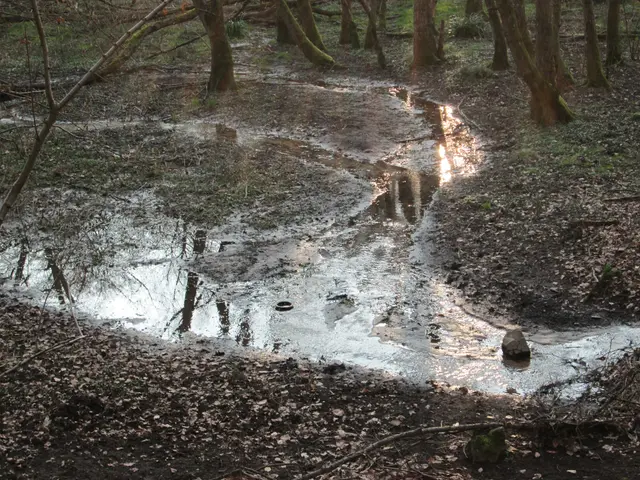
The dispute began when the landowner submitted an application to convert part of the woodland into a building site. The forestry authority initially refused, arguing that no significant economic interest justified the loss of trees. Officials also stated that preserving the forest served the public good, as the area has a closed canopy supporting its own microclimate and ecological balance.
The owner took the matter to court, claiming only 2,226 square metres of the property qualified as forest and that private land rights should take precedence. However, the lawsuit was dismissed, with judges ruling that the applicant had no legal right to a forest conversion permit. The municipality further complicated the case by revising its zoning plan, leaving the decision on permissibility to the forestry authority.
Despite the setback, the landowner was advised to consult the local council for possible alternatives. The development plan itself does not specify construction use, meaning any future proposals would still depend on approval from the relevant authorities. No changes in the legal assessment of the forest area have been reported since the original evaluation.
The ruling leaves the forest intact, with no legal path for the owner to proceed with construction. The decision reinforces the protection of woodland under the State Forestry Act, prioritising ecological preservation over private development. The landowner's options now depend on further discussions with the council or potential adjustments to the zoning plan.