Cologne Cathedral Introduces Entry Fees After 145 Years of Free Access
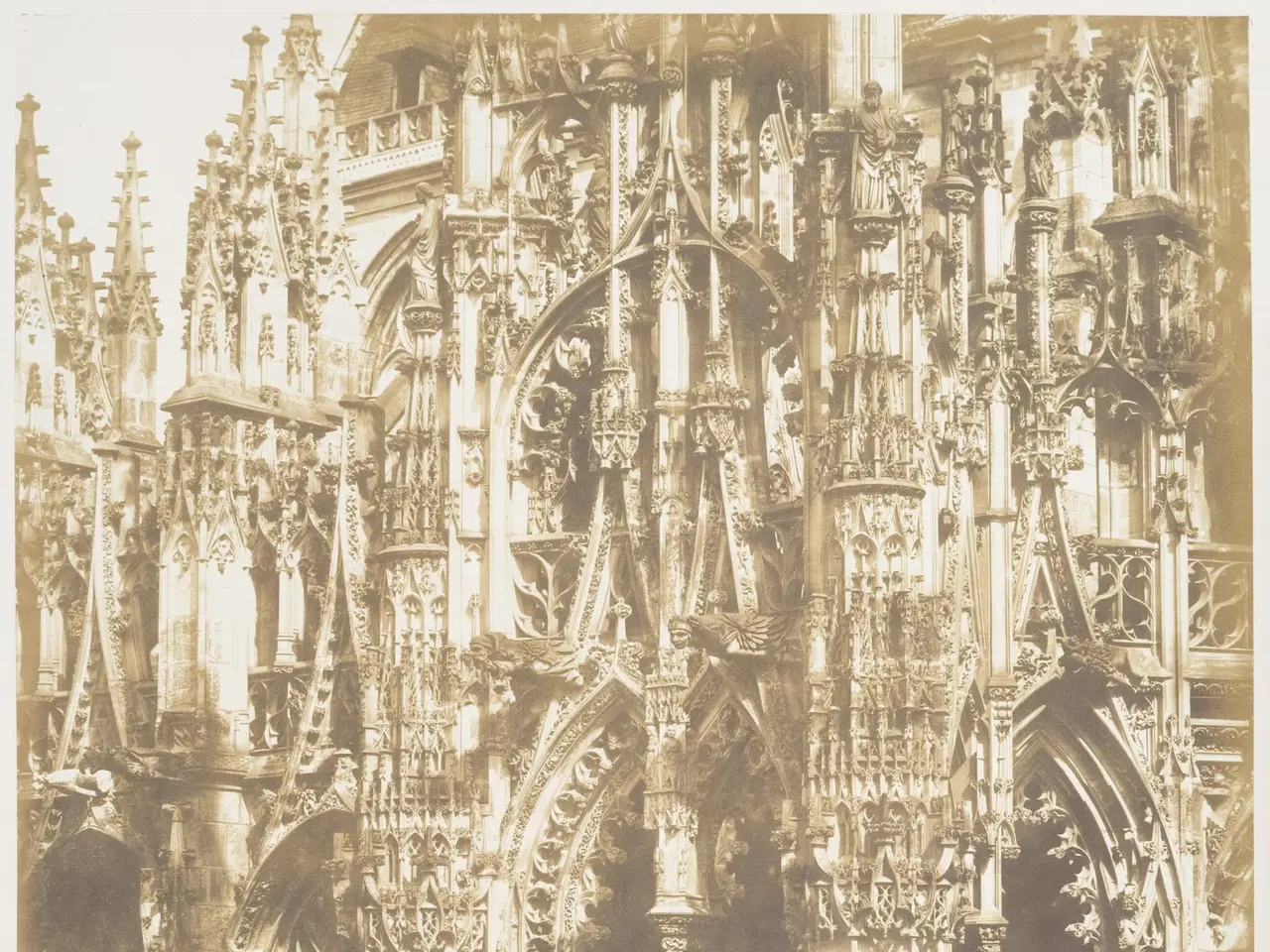
Cologne Cathedral, a UNESCO World Heritage site, has stood as a symbol of the city since 1880. But its future now faces financial strain, with reserves exhausted after years of rising costs. From July 2025, tourists will pay entry fees for the first time in its history—a shift from its long tradition of open access.
Work on the cathedral began in 1248 under medieval ambition, only to stall in the 16th century when money ran out and architectural tastes changed. For centuries, the unfinished structure loomed over Cologne until the 19th century revived interest. Sulpiz Boisserée, an amateur historian, sketched grand towers and spread engravings to rally support. His vision caught the public's imagination, though he died in 1854, never seeing its completion in 1880.
Fundraising took unusual turns. A lottery was launched, despite objections from some clergy who saw it as unseemly. The Prussian king contributed, and the Central Cathedral Construction Association collected donations from across the German-speaking world. These efforts covered around 60% of maintenance costs for decades. Yet by 2025, six years of deficits had drained the cathedral's reserves, forcing a change in policy. The cathedral's scale was groundbreaking. Its roof truss, once the world's largest steel structure, predated even the Eiffel Tower. Original plans had vanished over time, but half the blueprints resurfaced in a Darmstadt attic, with the rest found in Paris. Despite its grandeur, the building's upkeep now relies on more than devotion. The Archdiocese of Cologne, holding three billion euros from investments, property, and church taxes by late 2024, still faces pressure as costs climb. Meanwhile, Cardinal Rainer Maria Woelki receives a state-funded salary of at least €15,612 monthly—a legacy of 19th-century compensations for nationalised church lands. Yet this support does not extend to the cathedral itself, which has never received direct state subsidies.
The introduction of tourist fees marks a turning point for Cologne Cathedral. Once freely open to all, it now must balance heritage with financial survival. With no state funding and dwindling reserves, the new charges aim to preserve a monument that has stood for centuries—but at a cost to its tradition of public access.