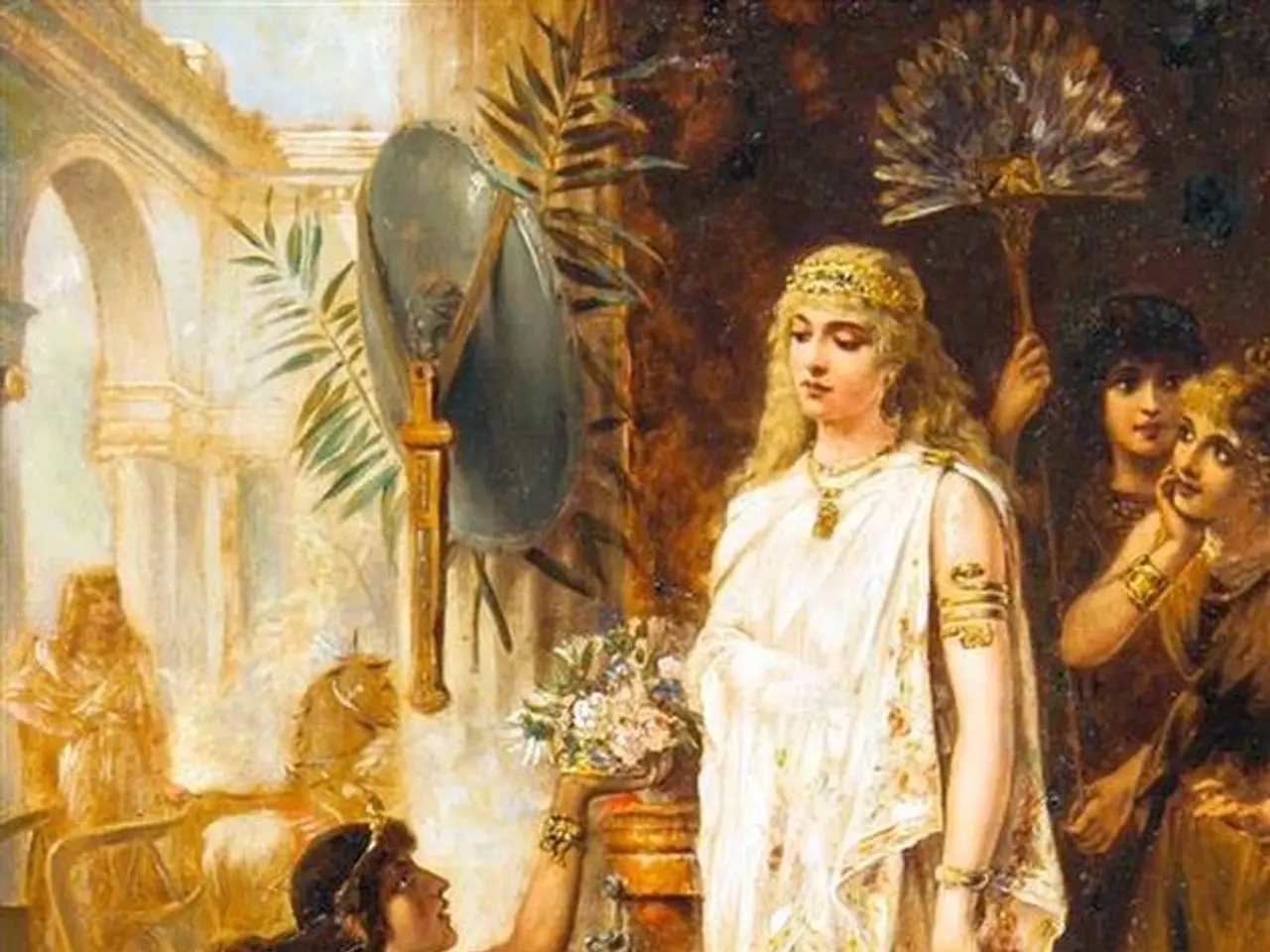
Blonde or brunette: Debate over beautiful Helen - Christopher Nolan's Odyssey Casting Sparks Fierce Debate Over Race and Myth
The upcoming adaptation of Odyssey by Christopher Nolan has sparked fresh debate over casting choices. Online backlash erupted after reports suggested a Black actress might play Helen of Troy. This controversy follows years of disputes about race and historical accuracy in film adaptations, with national news outlets picking up the story.
Scholars and critics have weighed in, with some labelling the criticism as racist. The issue highlights ongoing tensions between artistic freedom and audience expectations in modern storytelling.
Helen of Troy's appearance has never been strictly defined. Homer's original texts offer vague descriptions, leaving room for interpretation over centuries. Actors of various ethnicities have portrayed her in films and plays without major controversy—until now.
Recent years have seen heated reactions to non-white actors taking traditionally white roles. Halle Bailey faced backlash for playing Ariel in The Little Mermaid, while Rachel Zegler's casting as Snow White also drew criticism. Yet past adaptations, like Diane Kruger's portrayal of Helen in Troy, faced little scrutiny despite straying from mythological roots.
The current debate intensified after tech billionaire Elon Musk criticised Nolan's casting decision, claiming the director had 'lost his decency'. Scholar Katharina Wesselmann dismissed the backlash as 'clearly racist and uninformed'. Meanwhile, other adaptations, such as a white actor playing Heathcliff in Wuthering Heights—a character described as 'dark-skinned'—have also faced pushback.
Matt Damon's casting as Odysseus, despite not being Greek, has not drawn the same level of outrage. The inconsistency in public reactions underscores the complexity of balancing historical fidelity with creative licence in modern cinema.
The controversy over Helen's casting in Nolan's Odyssey reflects broader debates about representation in film. While some argue for strict adherence to historical or literary descriptions, others defend artistic freedom. The discussion shows no signs of fading, as audiences and creators continue to clash over race, authenticity, and storytelling.