Christmas Facts: 25 Things About the Holiday You Didn't Know - Christmas Facts: 25 Things About the Holiday You Didn't Know
Christmas traditions vary widely across the world, with some customs dating back centuries. The holiday is now celebrated even in countries with few Christian communities, blending cultural and commercial influences. Yet many festive practices—from gift-giving dates to seasonal treats—have surprising origins.
The Christmas season officially kicks off in late August or early September, during calendar week 35. German supermarkets begin stocking gingerbread at this time, despite the summer weather. Manufacturers label these items as 'autumn baked goods' rather than Christmas products.
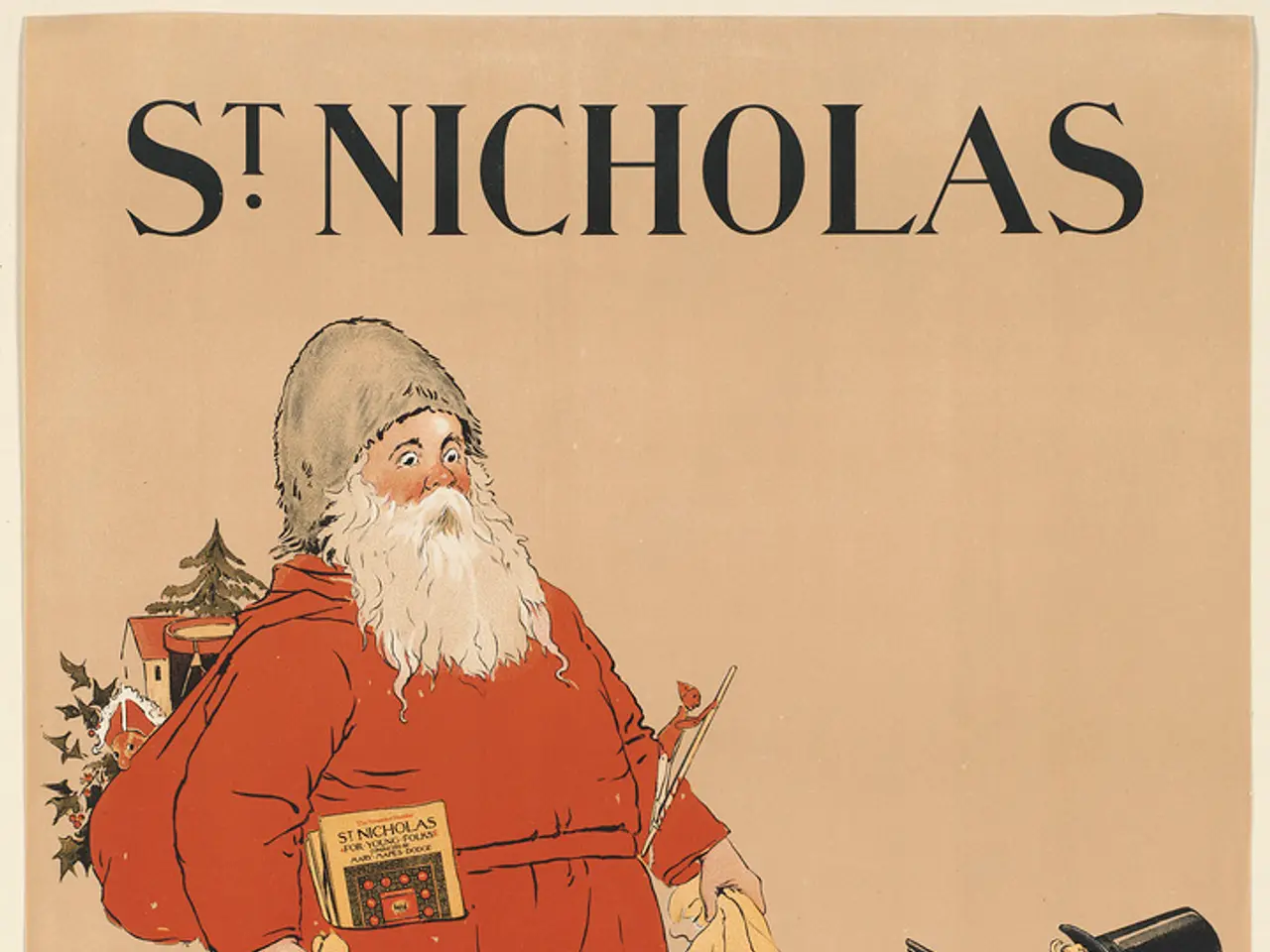
Gingerbread was once a year-round treat, prized for its long shelf life. Its strong link to Christmas only grew after the Thirty Years’ War, when festive traditions became more defined. Meanwhile, Martin Luther changed the day of gift-giving from St. Nicholas Day (December 6) to Christmas Eve (December 24). He wanted to shift focus from saints to Jesus’ birthday. The holiday has spread beyond Christian-majority nations. In China, Christmas is marked with decorations and shopping, despite its small Christian population. Muslims and Jews in Western countries often join in for the extra days off. Arabic-speaking regions even have their own name for Santa Claus, adapting the figure to local culture. Some places have resisted Christmas entirely. England once banned the holiday, though details of the restriction remain unclear. In Iran, where Christmas is not a public celebration, the figure of Santa Claus has no specific local name.
Christmas now spans cultures, religions, and even seasons. Supermarkets sell gingerbread in summer, while gift-giving dates reflect historical reforms. The holiday’s global reach includes both commercial appeal and long-standing traditions. Yet its meaning—and its name for Santa—still shifts depending on where it’s observed.