Christian identity in England and Wales falls below 50% for the first time
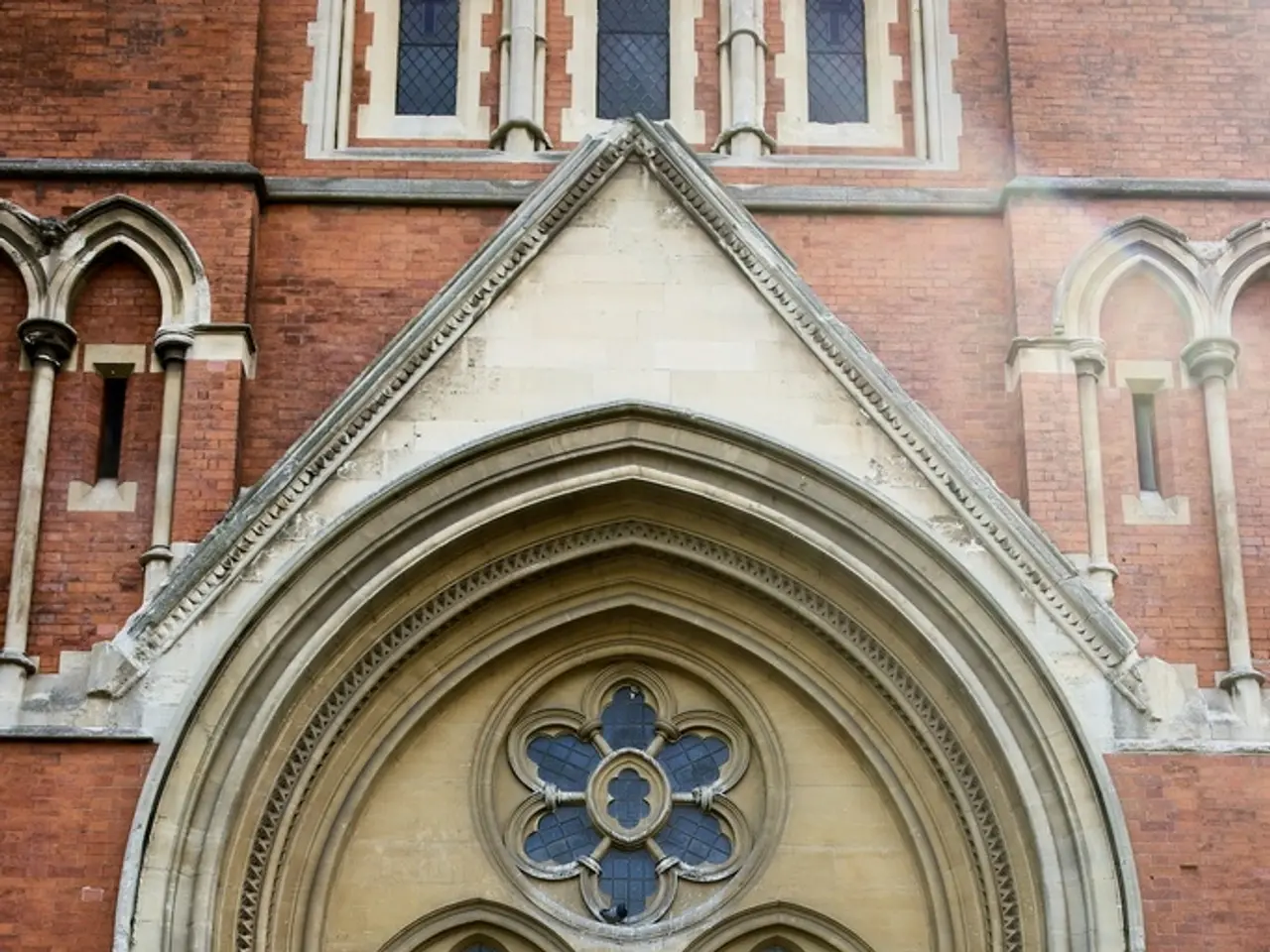
Christian identification in England and Wales has dropped sharply over the past two decades. The 2021 census revealed that less than half the population (46%) now call themselves Christian, down from 72% in 2001. This decline is largely driven by secularisation among the white-British majority, rather than immigration trends. The shift away from Christianity has been rapid since the early 2000s. In 2001, over seven in ten people in England and Wales identified as Christian, but by 2021, that figure had fallen to under half. Despite this, Christians remain the largest faith group, and Britain still has an established church, with King Charles III serving as its Supreme Governor. While traditional Christian affiliation declines, migrant communities are breathing new life into churches. In areas like London and Luton, congregations from Africa, Asia, and Eastern Europe are revitalising local parishes. This contrast highlights how cultural changes, rather than demographic shifts, are reshaping religious identity. The debate over Britain’s Christian heritage has also surfaced in education. A primary school teacher was barred from working with children after remarking to a Muslim pupil that 'Britain is still a Christian state.' The incident raised concerns about child-protection laws being used to silence views deemed culturally outdated. Some argue that inclusivity efforts risk erasing historical traditions rather than embracing them. Scholars and commentators have weighed in on the issue. Professor Dawkins has noted that understanding English culture—from literature to architecture—requires knowledge of Christianity. Meanwhile, British Muslim academic Dr Usama Hasan argues that Britain has been post-Christian for decades. Political researcher Rakib Ehsan suggests that celebrating the country’s Christian roots could strengthen social cohesion and prosperity. The census figures confirm a long-term trend: Christianity’s role in British life is diminishing. Yet its influence persists in institutions, traditions, and cultural heritage. How society balances secularisation with the preservation of historical identity remains an ongoing discussion.