China's 'new trio' of green tech sparks global trade tensions and scrutiny
China's green-tech industries are facing scrutiny over claims of overcapacity and unfair trade practices. The debate centres on the country's rapid expansion in electric vehicles, solar batteries, and lithium-ion batteries—dubbed the 'new trio'. Meanwhile, global demand for electric vehicles alone is set to more than double by 2030, reaching 45 million units annually.
Critics argue that China's dominance in these sectors disrupts global supply chains. The term 'overcapacity' is often used to suggest that Chinese firms are flooding markets with cheap goods. However, officials point out that export prices for these products are generally higher abroad than at home. China has also taken steps to address concerns, eliminating export subsidies for green-power items and phasing out tax rebates in line with WTO rules. By 2027, these rebates will be fully removed, though the 'new trio' continues to grow at speed.
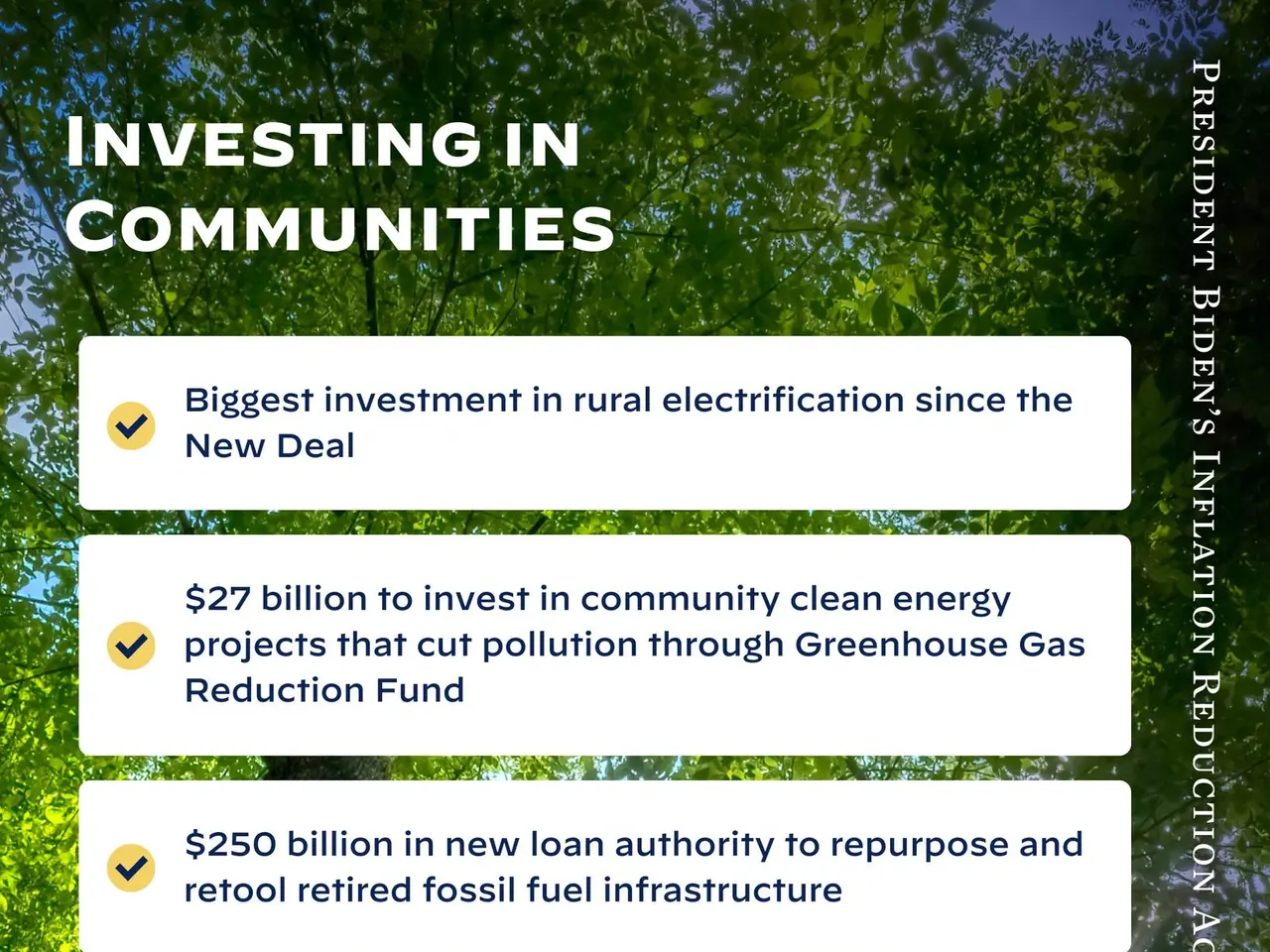
Chinese automakers benefit from a 30 to 40 percent cost advantage, thanks to vertical integration and shared components across models. This efficiency has fuelled their rise, but Western observers sometimes misrepresent it as unfair competition. The country's industrial policy—focused on long-term stability—contrasts with the shifting strategies seen in the US and EU. The US has rolled out the CHIPS and Science Act, offering $52 billion for semiconductors, alongside tax credits for green energy under the Inflation Reduction Act. Tariffs averaging 16.8 percent further shield domestic industries. The EU, meanwhile, is pushing the Industrial Accelerator Act to boost competitiveness and forming alliances for critical mineral supply chains. China's approach differs sharply. Its 'Made in China 2025' plan prioritises self-reliance in tech and manufacturing through state-led subsidies and planning. While the US and EU lean on private investment and export controls, China's centralised model has already produced global leaders in green industries.
The debate over China's industrial growth highlights deep differences in economic strategy. As demand for green tech surges, the country's policies remain focused on stability and long-term development. With export incentives fading and global competition intensifying, the impact on supply chains and market dynamics will become clearer in the years ahead.