China accelerates tech dominance with smart ships, space breakthroughs and clean energy
China is pushing forward with ambitious plans to strengthen its position in science and technology. Recent developments span smart shipping, renewable energy, and deep-space research, while officials urge faster progress in key sectors. Yet, despite high-level recommendations, some futuristic industries remain in early stages without concrete state-backed projects.
Multinational firms are also adjusting their strategies in China, focusing on digital upgrades and efficiency gains as the country's 5G network expands rapidly.
In October 2023, the CCP Central Committee outlined six future industries for development, including quantum technology and 6G telecommunications. However, no state-led projects or pilot schemes for these sectors have been publicly launched since then. Meanwhile, the Ministry of Industry and Information Technology has called for stronger efforts in major national science and technology initiatives to meet the goals of the 15th Five-Year Plan.
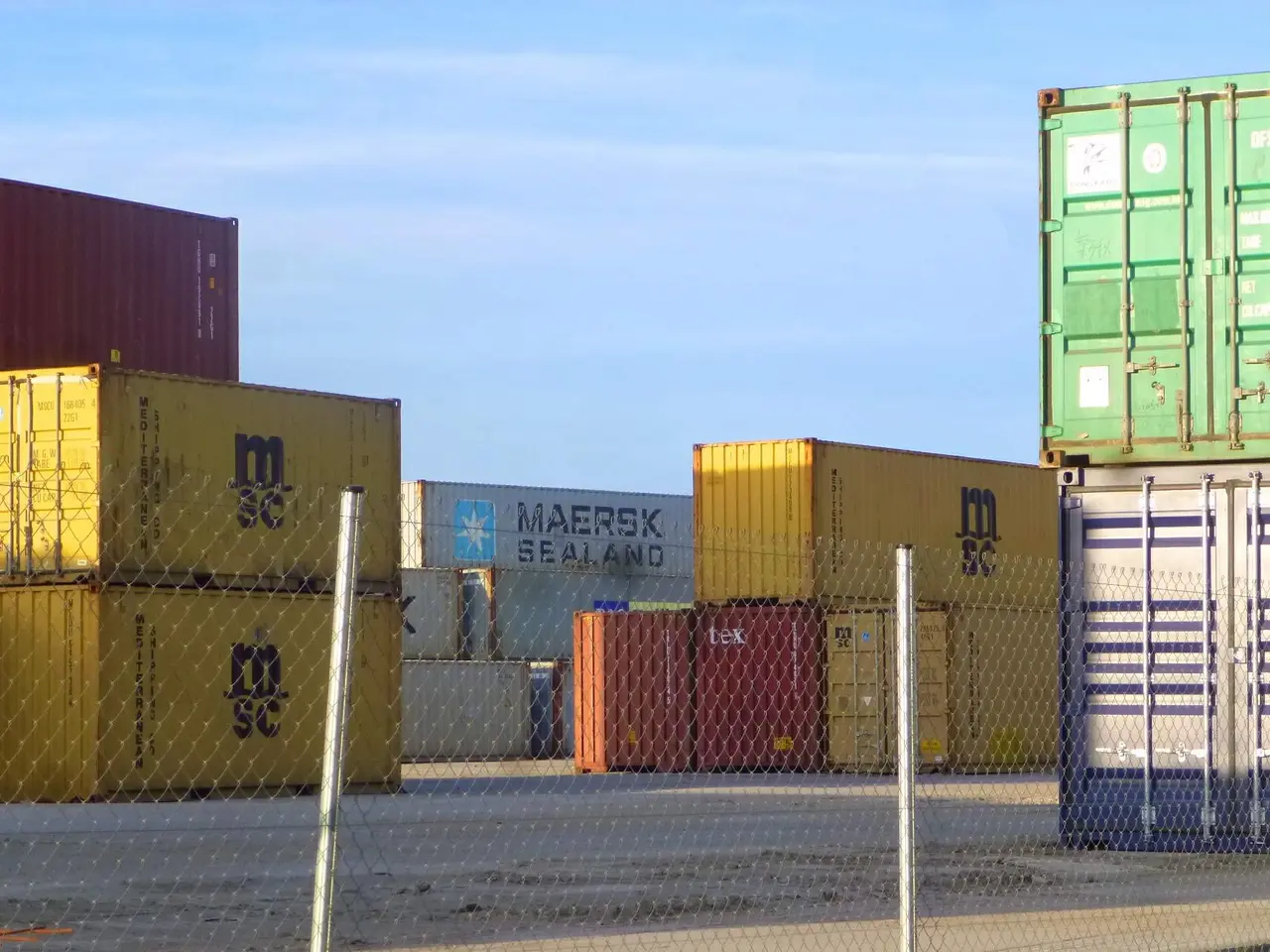
On the ground, progress is visible in other areas. The Zhi Fei, China's first commercially operated smart container ship, recently completed fully unmanned operations. This milestone follows years of testing autonomous navigation systems.
In renewable energy, the Lianghekou hybrid pumped-storage station reached two key construction milestones. Once fully operational, it will generate 1.4 billion kilowatt-hours of clean electricity annually. The project reflects China's push to expand low-carbon power sources.
Astronomy has also seen breakthroughs. Researchers at Tsinghua University developed the ASTERIS model, which can identify galaxies over 13 billion light-years away. The tool improves the study of distant cosmic structures and supports China's growing role in space science.
Foreign businesses are adapting to China's evolving market. A survey found that 90% of multinational companies plan to boost digital investment, driven by the country's rapid 5G expansion. Many are now prioritising profit model transformations and operational efficiency to stay competitive.
China's technology drive is advancing on multiple fronts, from smart shipping to deep-space research. While some futuristic sectors await state-backed action, existing projects in energy, automation, and digital infrastructure are moving ahead. The country's focus on self-reliance and innovation continues to shape both domestic development and foreign business strategies.