Chelyabinsk's allergy crisis deepens as pollen seasons stretch longer
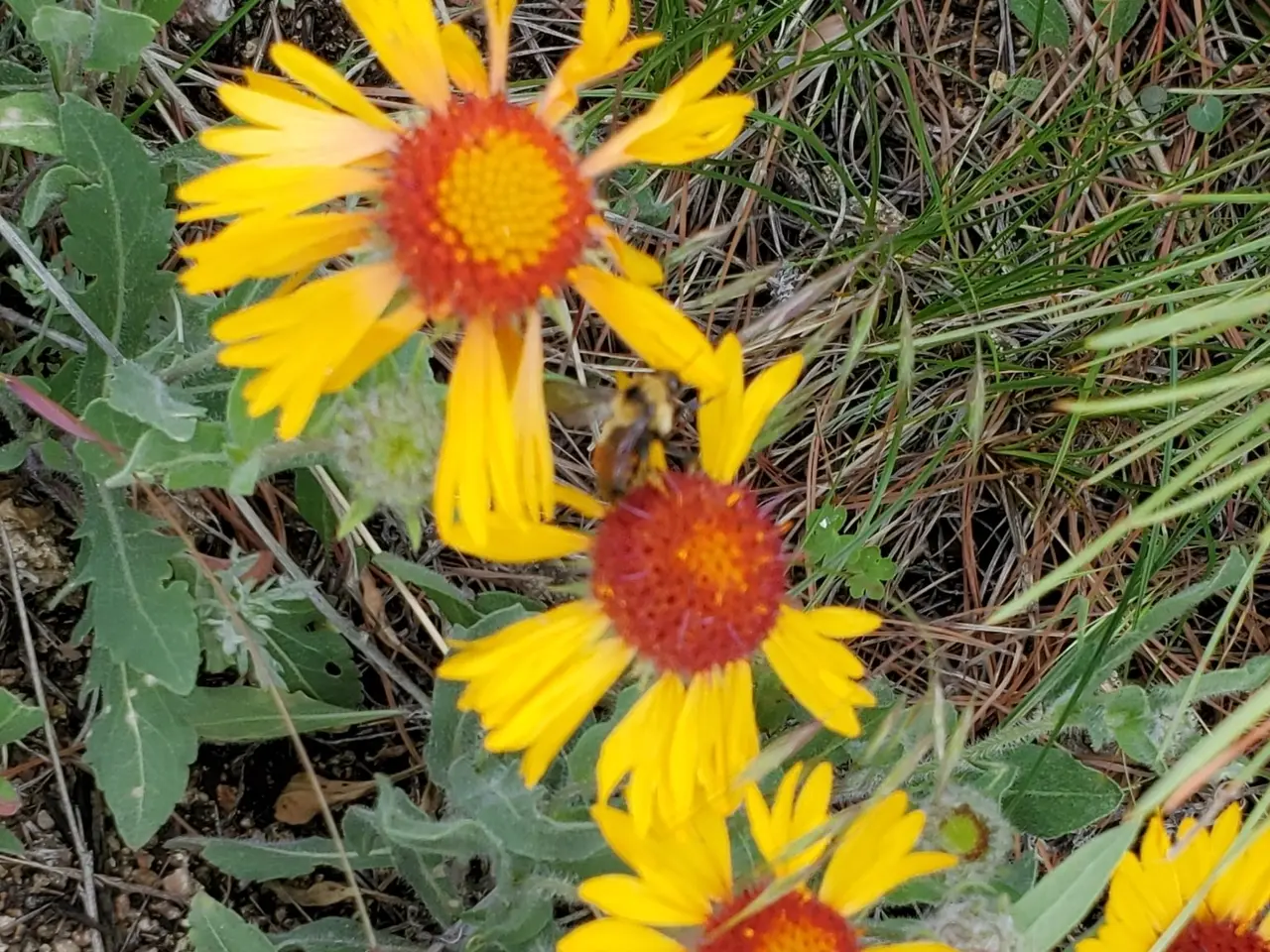
Chelyabinsk faces a growing challenge as warmer weather alters pollen seasons, worsening allergies for residents. Tree pollen proteins, known to trigger allergic reactions, now pose a longer threat due to early blooming and overlapping flowering periods. Without proper monitoring or preventive measures, the situation could escalate further by 2026. Alder and willow trees in Chelyabinsk usually bloom later in spring, but rising temperatures have shifted their flowering earlier. This change extends the pollen season, creating overlapping waves of allergens that intensify reactions. The problem is made worse in urban areas, where pollen mixes with vehicle exhaust and industrial emissions, increasing irritation for those with allergies.
Currently, Chelyabinsk lacks official pollen monitoring stations, leaving residents without real-time data on pollen levels. Experts recommend installing these stations to provide timely alerts about high-risk conditions. Alongside monitoring, the city could benefit from anti-pollen barriers, controlled humidity, and regular cleaning of public spaces to reduce exposure. Urban planners also suggest planting low-allergen tree species and creating mixed green zones to act as natural buffers. These measures could help reduce the concentration of airborne allergens and ease symptoms for affected residents.
Without intervention, an early spring in 2026 may prolong the pollen season even further. Installing monitoring stations and adopting preventive strategies—like green barriers and low-allergen planting—could help Chelyabinsk manage the issue. Residents would then receive better warnings and face fewer allergy triggers in the long term.