Cape Horn's Deadly Legacy: Why Even Modern Ships Avoid This Maritime Nightmare
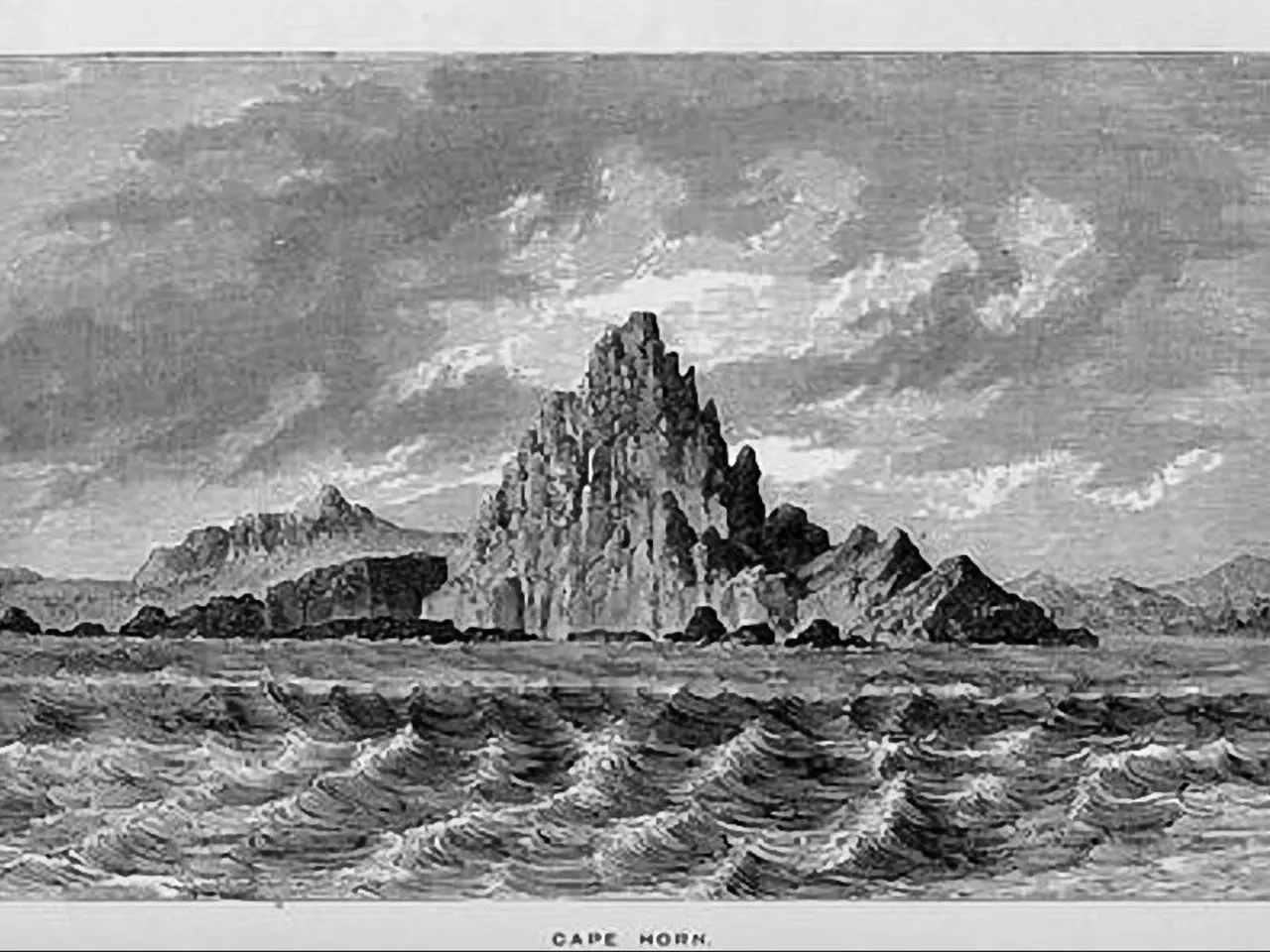
Cape Horn remains one of the most treacherous maritime routes in the world. Located at the southern tip of South America, it was once the only passage between the Pacific and Atlantic oceans before the Panama Canal opened in 1914. Today, its extreme weather and violent seas make it a place few ships dare to challenge.
Before the Panama Canal, every vessel sailing between the two oceans had to brave Cape Horn. The route was notorious for its relentless conditions, with winds rarely dropping below Force 5 on the Beaufort scale. Gales exceeding Force 7 strike the area three times a week on average, while July brings storms so fierce that one occurs nearly every week.
Rain lashes the region for 280 days a year, and even on dry days, thick fog often blots out visibility. Recorded wind speeds have reached 265 km/h (165 mph), with hurricanes frequently appearing on real-time wind maps. The seas are just as dangerous, with waves rising into 30-metre (100-foot) walls. Powerful eastward currents and drifting iceberg fragments add to the hazards.
The waters around Cape Horn are a graveyard for ships, with an estimated 800 wrecks lying on the seabed. Over 10,000 lives have been lost in these icy, turbulent seas. Since the Panama Canal opened, no official ships have attempted the Cape Horn route, as it remains a natural, unmonitored passage without formal tracking.
Air and water temperatures stay near five degrees Celsius all year, offering little relief from the harsh conditions.
Cape Horn's reputation as a deadly maritime challenge endures. Without official crossings since 1914, its dangers remain undiminished by time. The combination of hurricane-force winds, monstrous waves, and freezing temperatures ensures it stays one of the most feared stretches of ocean on Earth.