Canada's economy feels mixed impact of Iran war and oil price swings
OTTAWA - The war in Iran and the resulting spike in the price of oil has had an uneven impact at best on Canada's economy, boosting some regions and government revenues but making it harder for businesses outside of the energy sector to compete, the federal government says.
The spring economic update tabled by Finance Minister François-Philippe Champagne in the House of Commons Tuesday includes scenarios about where prices could be headed as oil-producing Middle Eastern countries deal with shipping obstacles due to the war's closure of the Strait of Hormuz.
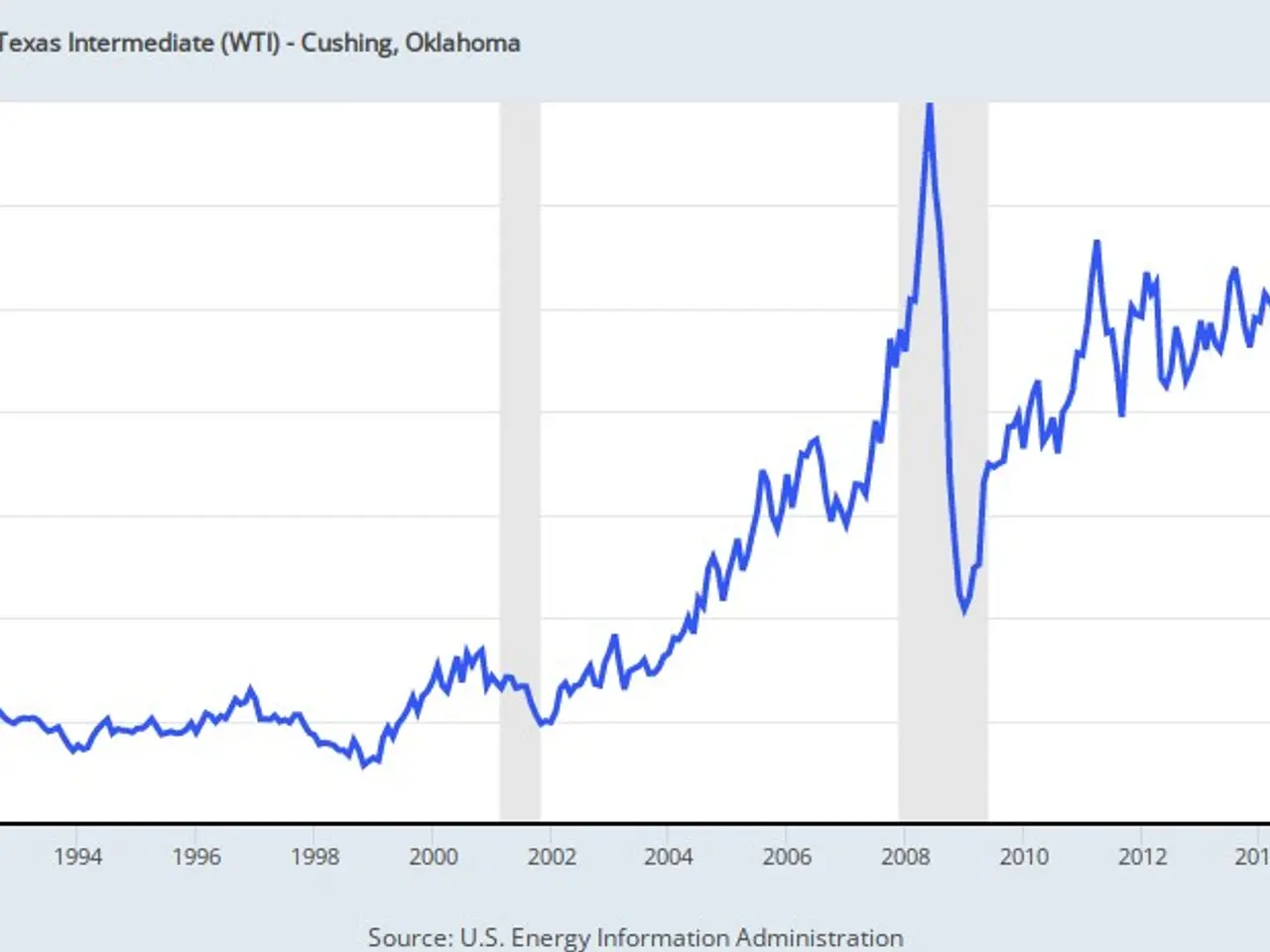
The update forecasts an average price of US$73 per barrel in 2026 for West Texas Intermediate crude oil, the benchmark Canada uses. Last fall, the government has anticipated a price of $65 per barrel.
Since the war began in March, oil tankers have been blocked from travelling through the Strait of Hormuz. The price of oil has swung from US$80 to US$120 per barrel and was at US$100 on Tuesday.
Price spikes are good for oil producers and have in the past led to more investment in Canada, but the government cautioned that might not happen this time because the current spike could be short-lived.
"Temporary supply-driven price increases are less likely to generate a sustained investment response, particularly when uncertainty is elevated," reads the economic update.
Even if the oilpatch does respond with more investment, the government notes that the hike in oil prices will also hurt Canadians who don't have a connection to the industry.
"Higher oil prices also create economic headwinds, they raise costs for households and businesses through higher gasoline and energy prices," reads the update.
Without identifying which it believes is most likely, the government included two paths for how the war could impact Canada's economy; a "higher investment scenario" and a "global supply disruptions" scenario.
The first scenario would lead to more investment in Canada's energy sector, which would eventually spill over into the broader economy. In the second scenario, the uncertainty the war is creating would create higher prices, more inflation and economic damage that Canada could not escape.
"Supply chains worldwide come under strain, as higher energy costs and prolonged shipping disruptions weigh on production and trade," reads the update.
If prices stay high for the next year, what the government calls the "persistent" increase it will add about $3.5 billion to its annual revenues through higher corporate and personal taxes.
But that increase would be likely to boost inflation, leading to higher prices for public debt charges and inflation, and leaving the government only $2 billion better off when all the costs are accounted for.