Can America's Economic Dominance Withstand Rising Global Pressures?
The United States stands at the start of a new economic chapter, shaped by rising geopolitical tensions and rapid technological change. While the country remains a global leader in innovation and productivity, challenges like underinvestment in infrastructure and growing energy demands threaten its long-term position.
America's economic strength has deep historical roots. Since 1776, Americans have created or supported 76 of the world's 100 most influential inventions. Today, the US accounts for just 4% of the global population but produces 26% of worldwide GDP. It also hosts over half of the planet's largest firms by market value and leads in research spending and AI development.
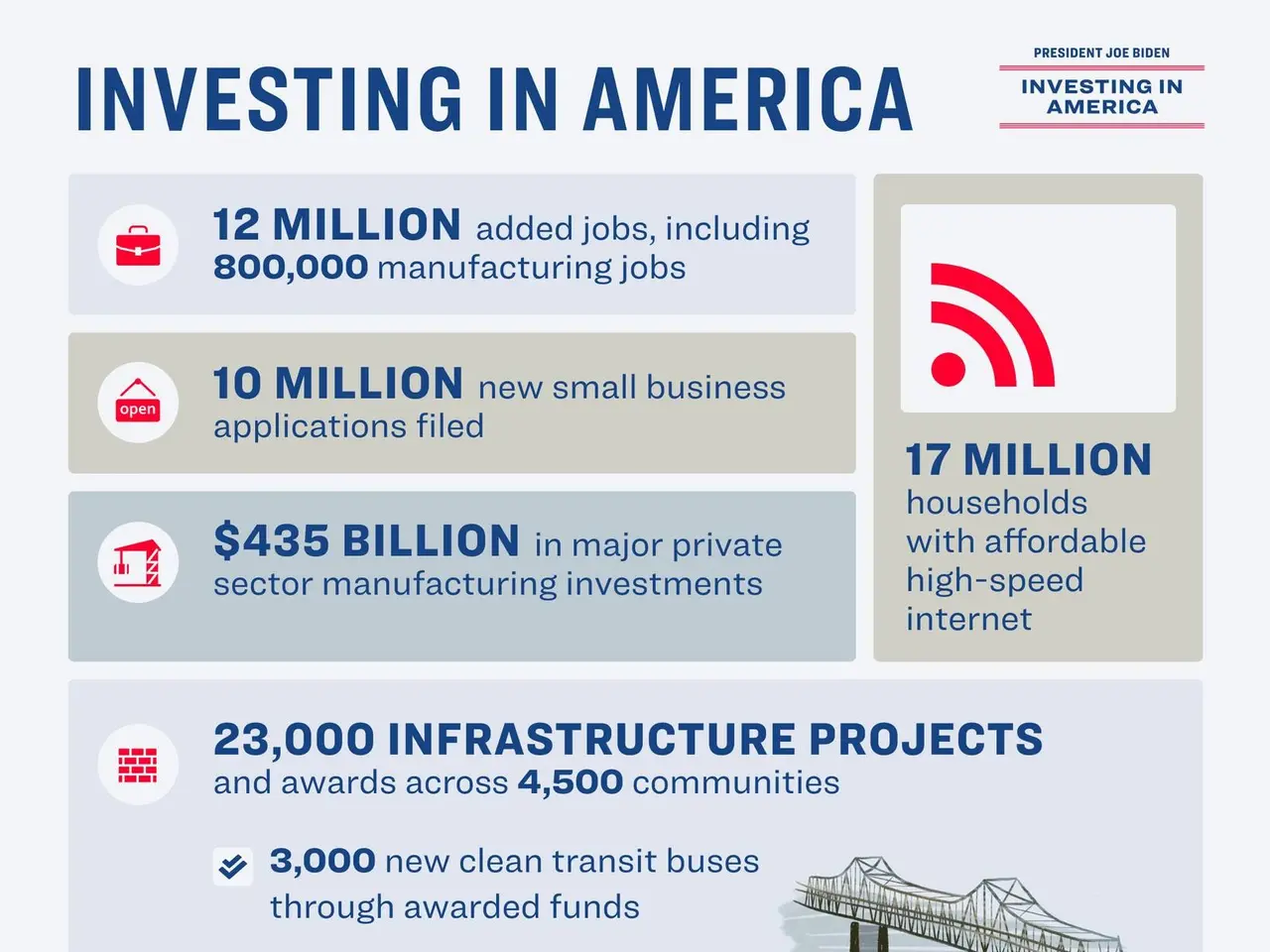
Yet reliance on imports—nearly $1.2 trillion annually in critical goods—exposes vulnerabilities. Many of these supplies come from geopolitically distant partners, adding risk. Meanwhile, energy demands are surging due to data centres and electrification, testing a system once seen as a strategic advantage. Infrastructure has always powered US competitiveness, but years of underfunding have left gaps. Experts warn that without better deficit management, public borrowing could crowd out private investment. At the same time, AI could boost productivity—but only if businesses adapt workflows and workers gain the skills to collaborate with automation.
The US retains key advantages in technology, innovation, and economic output. However, maintaining this edge will require addressing infrastructure shortfalls, securing supply chains, and managing energy needs. Without credible fiscal policies and workforce adaptation, the country's lead in productivity and global competition could narrow.