Hear the melodies of blackbirds, blue tits, and robins the most in Hessian woods and city streets
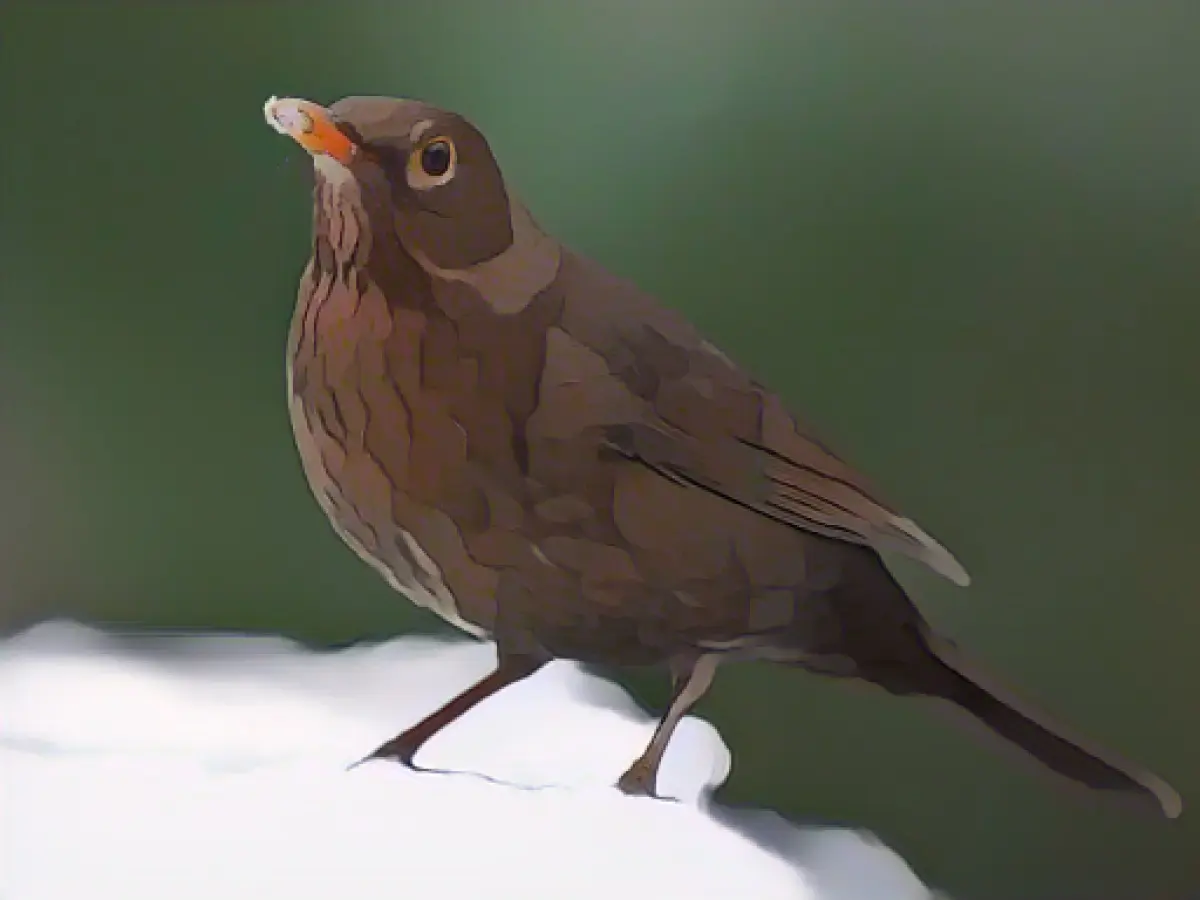
Chirping has become the soundtrack of Hessian life, with blackbirds, blue tits, and robins taking center stage. According to the Hessian State Agency for Nature Conservation, Environment and Geology (HLNUG) in Wiesbaden, their bird song monitoring project launched in spring 2023 discovered a staggering 118 avian species by October – around two-thirds of Hesse's breeding bird population. Even rarer residents, like the elusive pygmy owl and quail, were detected.
Scientists aim to unlock insights by tapping into these avian concerts, gauging any climate change-triggered alterations in Hesse's feathery musicians. By detecting declining populations early, they hope to implement remedial measures. In the process, they've installed recorders at 15 rural and urban sites, allowing these devices to independently collect and transmit bird calls. Powered by AI, these audio bits are reviewed for patterns that could hint at population shifts or behavioral changes. Over 12,000 hours of Hessian bird music has been recorded so far.
These feathered creatures, from common blackbirds and blue tits to the low-key pygmy owl and quail, constitute the musically rich tapestry of nature in our ecosystem. Their melodies contribute intricate pieces to the orchestra of biodiversity in Hesse.
Diversity and bird song
Bird song is influenced by various factors, including habitat, season, and species distribution. Changes in habitat and environmental conditions (e.g., urbanization, deforestation, climate change), as well as shifts in seasonal patterns, can alter bird populations and vocalizations, potentially leading to diversity changes.
Bird song monitoring
Acoustic recording devices are commonly used in songbird monitoring projects to capture, classify, and analyze bird vocalizations. By pairing these recordings with software, researchers can gain insights into populations and behavioral changes over time. Monitoring projects can detect changes in bird populations due to climate change by comparing historical data with current recordings. Integrating bird song data with other environmental information can provide a more comprehensive understanding of climate change impacts.
For more specifics on Hesse, one would need to investigate local studies or initiatives focused on avian melody monitoring. These projects typically involve collaboration between ornithological societies, environmental organizations, and research institutions.
Regarding enrichment data, see separate instructions below.