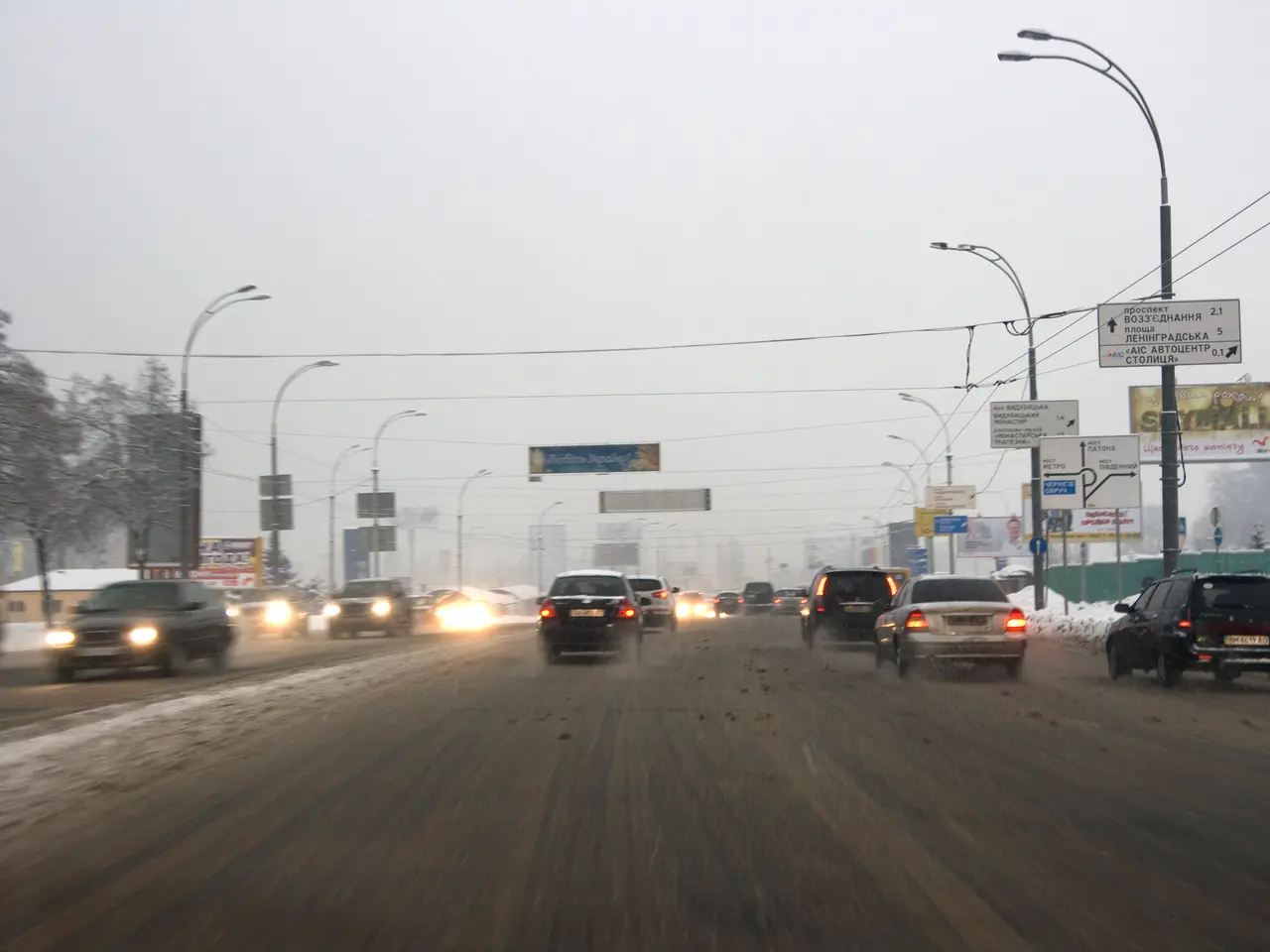
Black ice and freezing rain paralyze northern Germany's roads and schools
Freezing rain and black ice have caused hazardous road conditions across parts of northern Germany. The worst-affected areas include Lower Saxony and neighbouring regions like Mecklenburg-Vorpommern, where icy patches led to multiple accidents and school closures on Thursday.
The problems began overnight as snowfall turned into rain, creating a layer of black ice by Thursday morning. Low-pressure system ROMINA kept temperatures near freezing, making roads—especially side streets, curves, and bridges—extremely slippery. In Lower Saxony, districts such as Aurich, Cloppenburg, and Oldenburg shut schools due to ice on streets, bus stops, and schoolyards.
Across the police district, five weather-related accidents were reported. Four occurred near Varel, and one happened within Wilhelmshaven. No incidents were recorded in the Jever area. Most collisions resulted in property damage rather than injuries.
Despite the dangers, traffic remained manageable. Drivers adapted by slowing down, keeping larger distances, and avoiding non-essential journeys. This cautious approach helped limit the number of accidents, though some areas still had isolated black ice incidents.
Conditions varied widely, with patches of ice persisting in certain spots. Authorities warned that rapid changes could still occur, particularly as temperatures fluctuated throughout the day.
The icy weather has eased slightly, but risks remain in some areas. Local police continue to advise extra caution, as slippery patches could still cause problems. Schools in affected districts will reassess conditions before reopening.