Bitcoin's five-month slump echoes 2018—will history repeat itself?
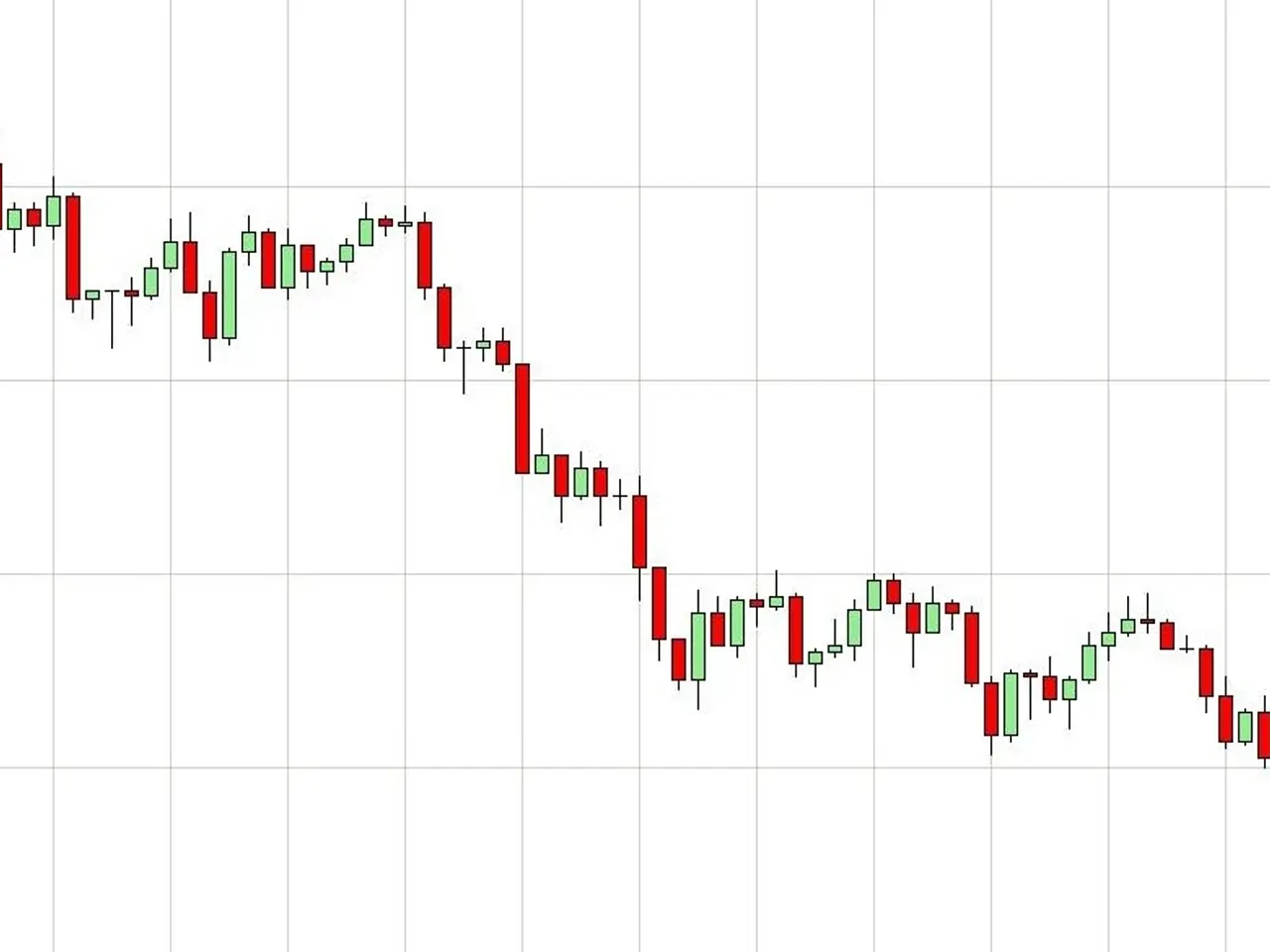
Bitcoin's price has plummeted sharply over the past month, shedding around 28% of its value. The decline coincides with a $105 billion drop in domestic liquidity. Analysts now observe that the cryptocurrency is on track for five consecutive months of losses, a trend unseen since the 2018-2019 bear market.
The current downturn mirrors patterns from late 2018, when Bitcoin's price fluctuated between $3,600 and $3,800. Back then, the Short-Term Holder (STH) stress metric also hit its lowest point. Following that low, Bitcoin surged by roughly 150% within a year and climbed nearly 1,900% over three years.
This time, the STH stress metric has again reached its lowest level since 2018. Historically, such extreme readings have preceded significant rallies. If the pattern repeats, Bitcoin could experience a substantial rebound in the coming months or years.
Meanwhile, Wells Fargo suggests that up to $150 billion in US tax refunds might flow into risk assets like Bitcoin by the end of March 2026. This potential influx could provide additional support for the cryptocurrency's recovery.
Bitcoin's prolonged decline has sparked comparisons to past bear cycles. With the STH stress metric at historic lows, some investors see parallels to the 2018 bottom, which led to substantial gains. The combination of tax refund inflows and historical trends may shape the market's next move.