Bipartisan Senate bill seeks to revolutionize US weather forecasting
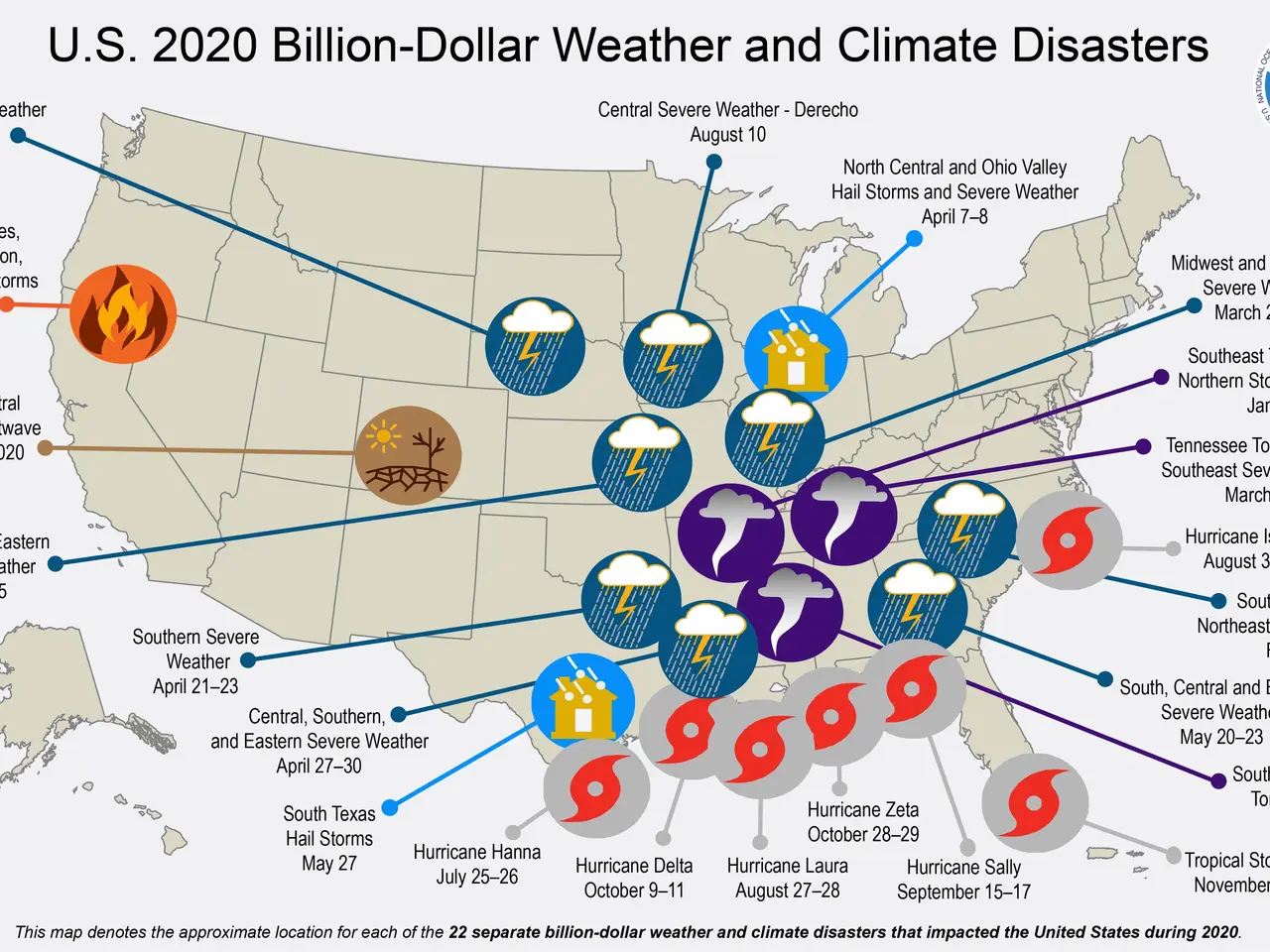
A bipartisan bill aimed at enhancing US weather prediction has advanced in the Senate. The legislation, known as the Weather Research and Forecasting Innovation Reauthorization Act, was approved by the Senate Commerce Committee without opposition. Senators Ted Cruz and Maria Cantwell are leading the push for its passage. The act bundles 17 separate measures designed to upgrade NOAA's weather prediction and warning systems. Key provisions focus on modernising the agency's radar network and enhancing early alerts for extreme events. Hurricanes, tornadoes, and other severe storms would see improved tracking under the proposed changes. The Senate Commerce Committee passed the bill, S. 3923, by voice vote. While the package includes multiple laws, earlier reports do not clarify how many similar measures were approved in the previous congressional term. No prior legislative bundle of exactly 17 bills was recorded in the Senate's recent history. The bill now moves forward in the legislative process. If enacted, the updates to NOAA's systems could lead to faster and more accurate severe weather warnings. The bipartisan support suggests broad agreement on the need for stronger forecasting tools.